Good food starts with curiosity.
Twenty-three recipes, from your first ferment to surprising pickles. Clear quantities, manageable steps and sources you can explore.
Four autumn flavours to discover.
Spiced pears, crabapples, Jerusalem artichokes and cranberry orange chutney. Four new recipes with full boiling-water canning instructions join our garden pickles.
23 / 23 recipes
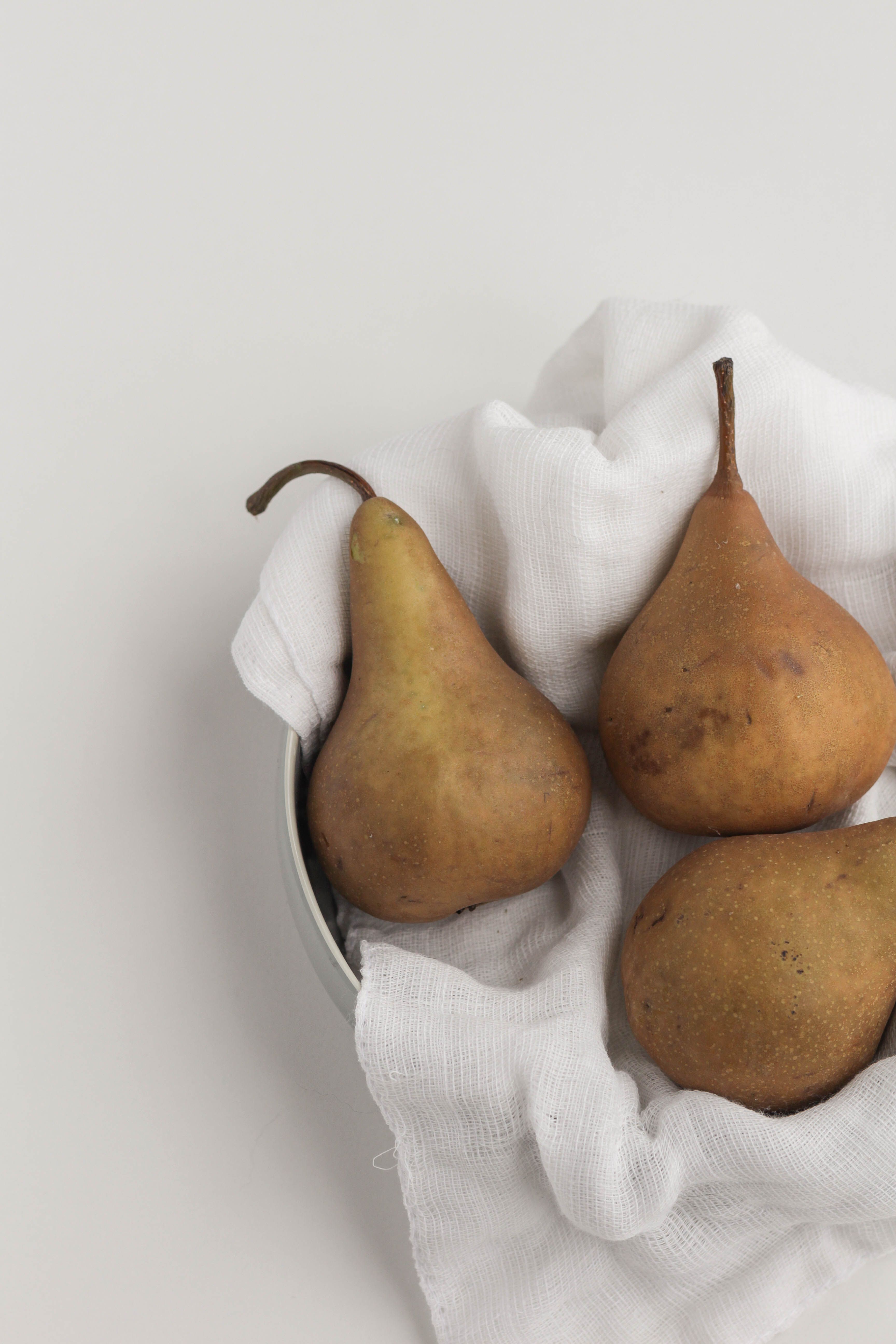 01New / unusual
Spiced Pickled Pears
Sweet pears, bright vinegar and the warmth of cinnamon. Serve this preserve with cheese, roasted squash or pâté. A few pieces are enough to bring a new flavour to the plate.
About 2 hours of preparation and processing + 12–24 hours of cooling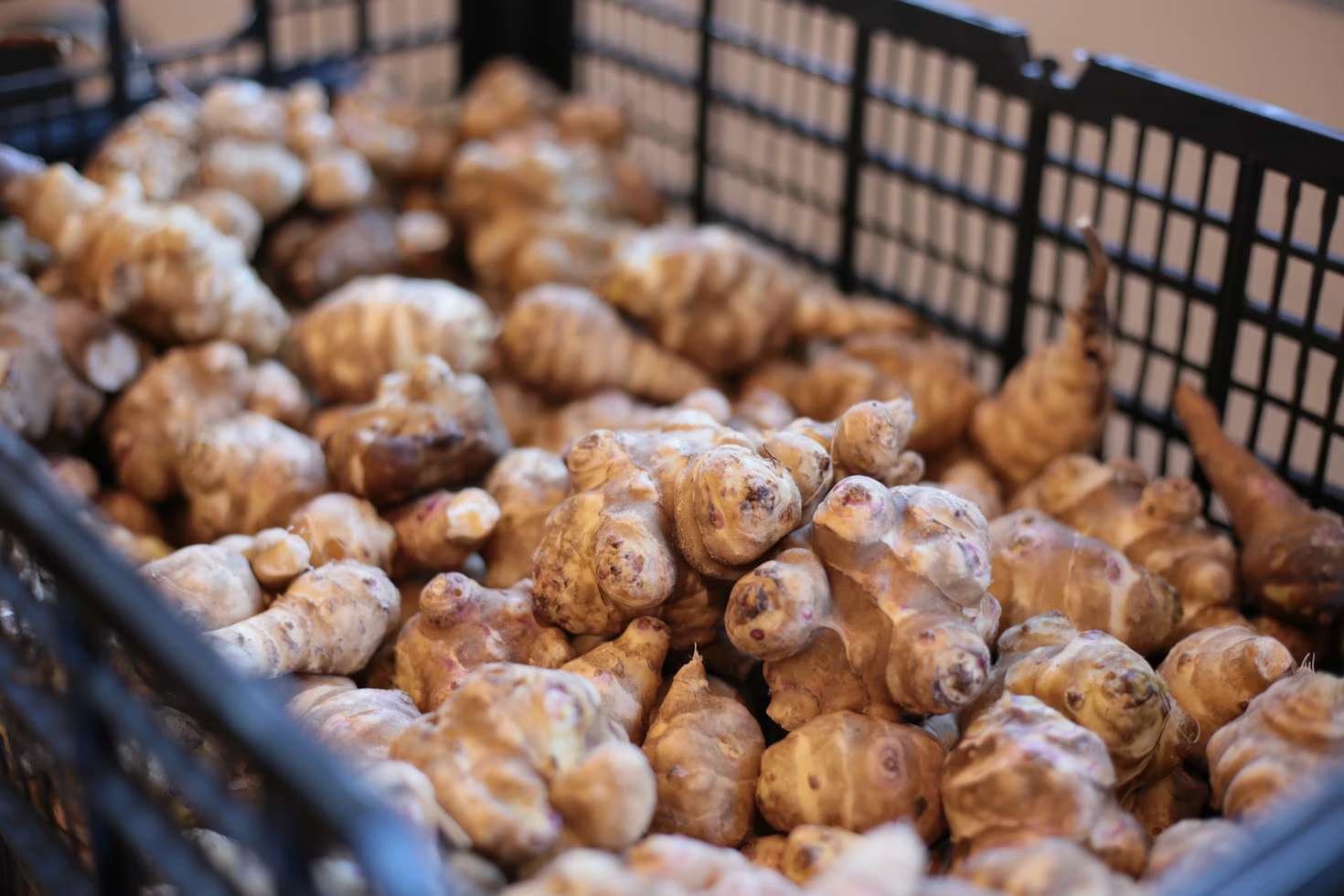 02New / unusual
Spiced Pickled Jerusalem Artichokes
Crunchy tubers with turmeric and a sweet, tangy spiced pickling liquid. This tested recipe uses vinegar and boiling-water canning, rather than fermentation.
24 hours of soaking + about 60 minutes of preparation + 12–24 hours of cooling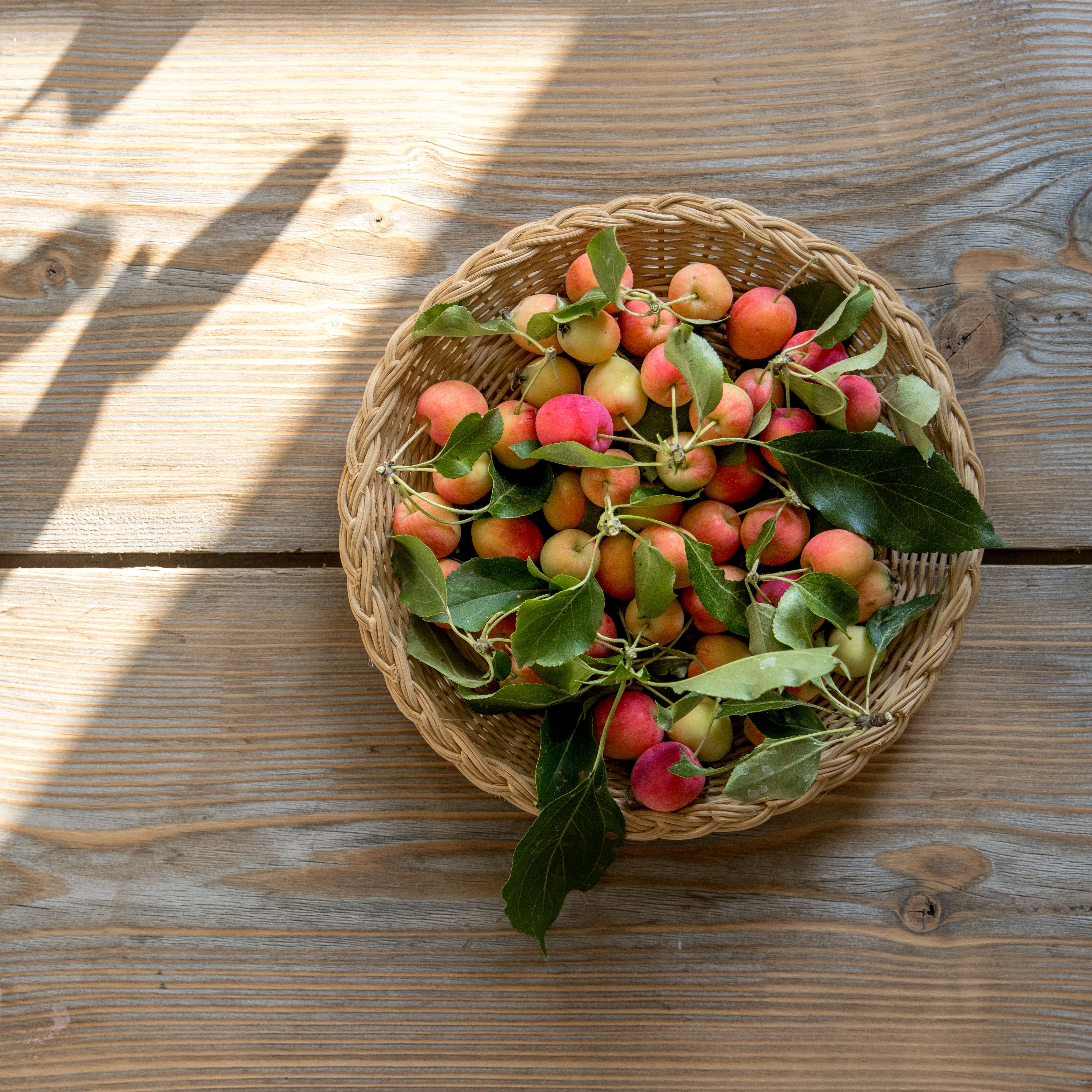 03New / unusual
Spiced Crabapples
Small apples stay whole, with their stems and glossy skins, scented with cinnamon, cloves and fresh ginger. Sweet, tangy and full of flavour, they are a lovely addition to an autumn table.
Two days, including an overnight soak + 12–24 hours for the jars to cool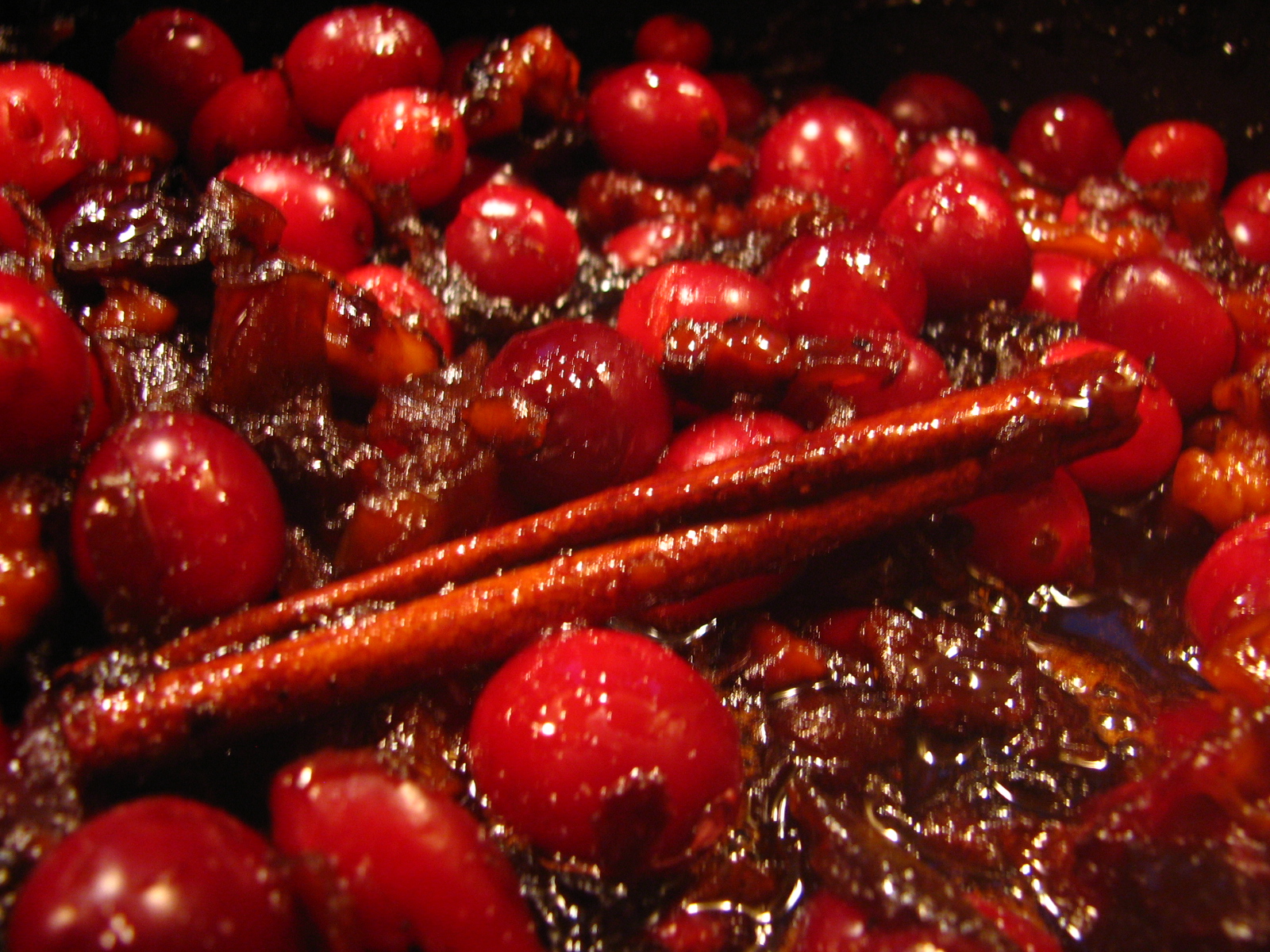 04New / unusual
Cranberry Orange Chutney
Ruby red, sweet and tangy, with a gentle warmth of spice. Whole cranberries, orange juice, golden raisins, onion, ginger and cinnamon come together in a thick chutney for the autumn table.
15 minutes of cooking + 10–20 minutes of canning + 12–24 hours of cooling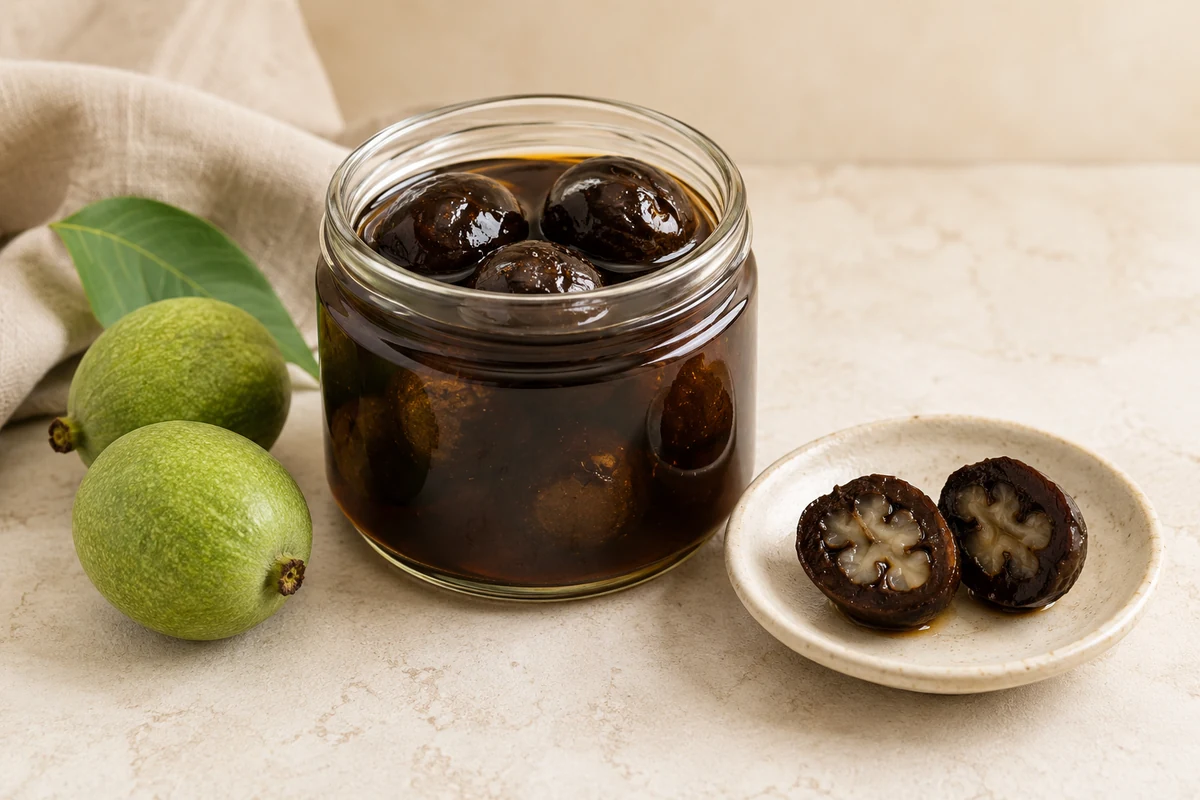 05New / unusual
Pickled green walnuts
Whole young walnuts pickled in spiced vinegar. Once mature, they are dark and soft enough to slice and serve with cheese.
10 days brining + drying time + 6 weeks maturing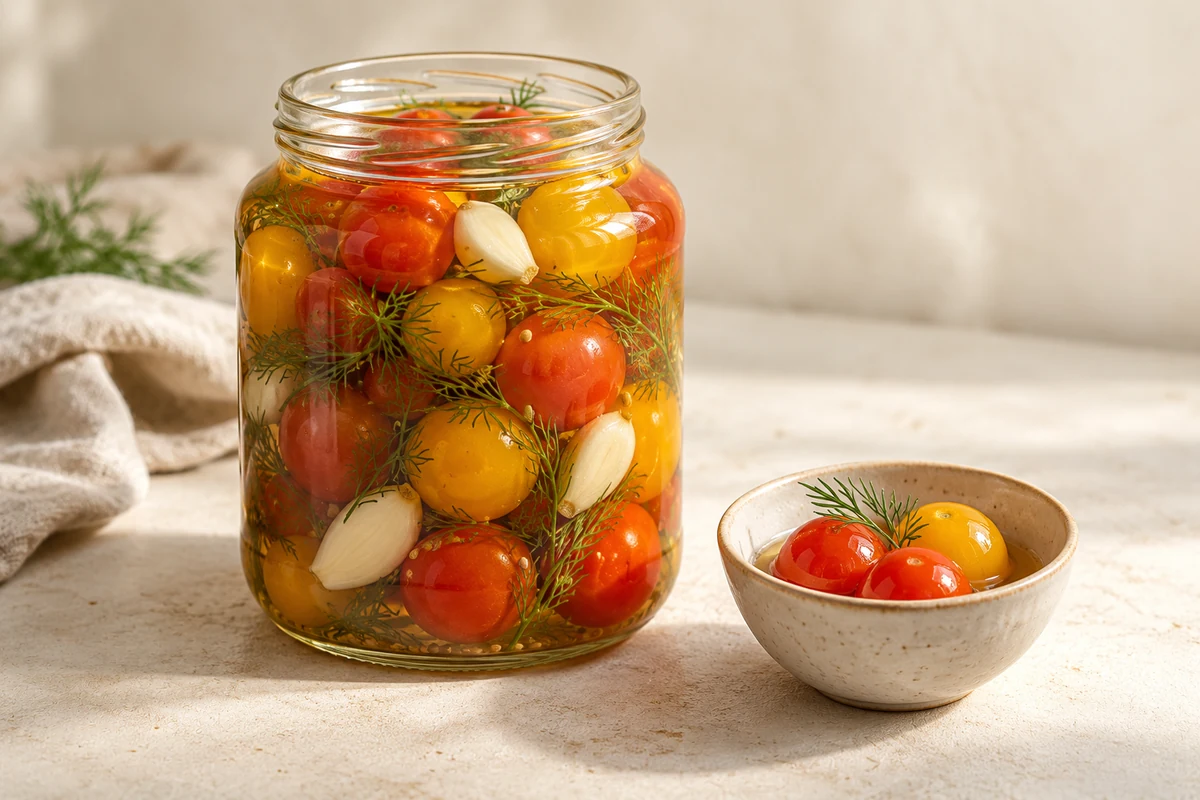 06New / unusual
Pickled cherry tomatoes with honey and dill
Peeled cherry tomatoes in a sweet-and-sour pickling liquid with honey, garlic and dill. Adapted from Ann Low’s recipe, also published in Gourmet Living magazine.
50 minutes + 3 days in the fridge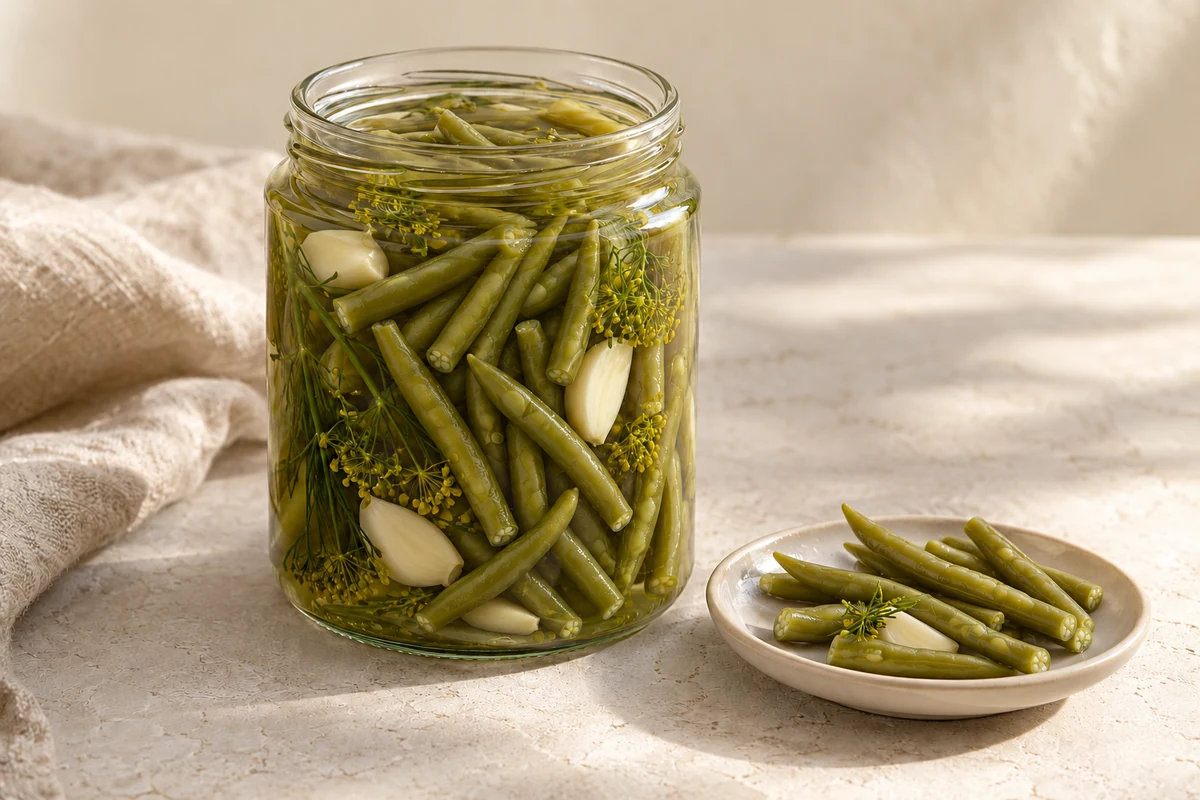 07New / unusual
Pickled green beans with horseradish and lemon
Green beans pickled with chilli, horseradish and lemon, from Hege Marie Köster’s recipe in essen & trinken magazine.
30 minutes prep + 90 minutes cooking + 2 weeks maturing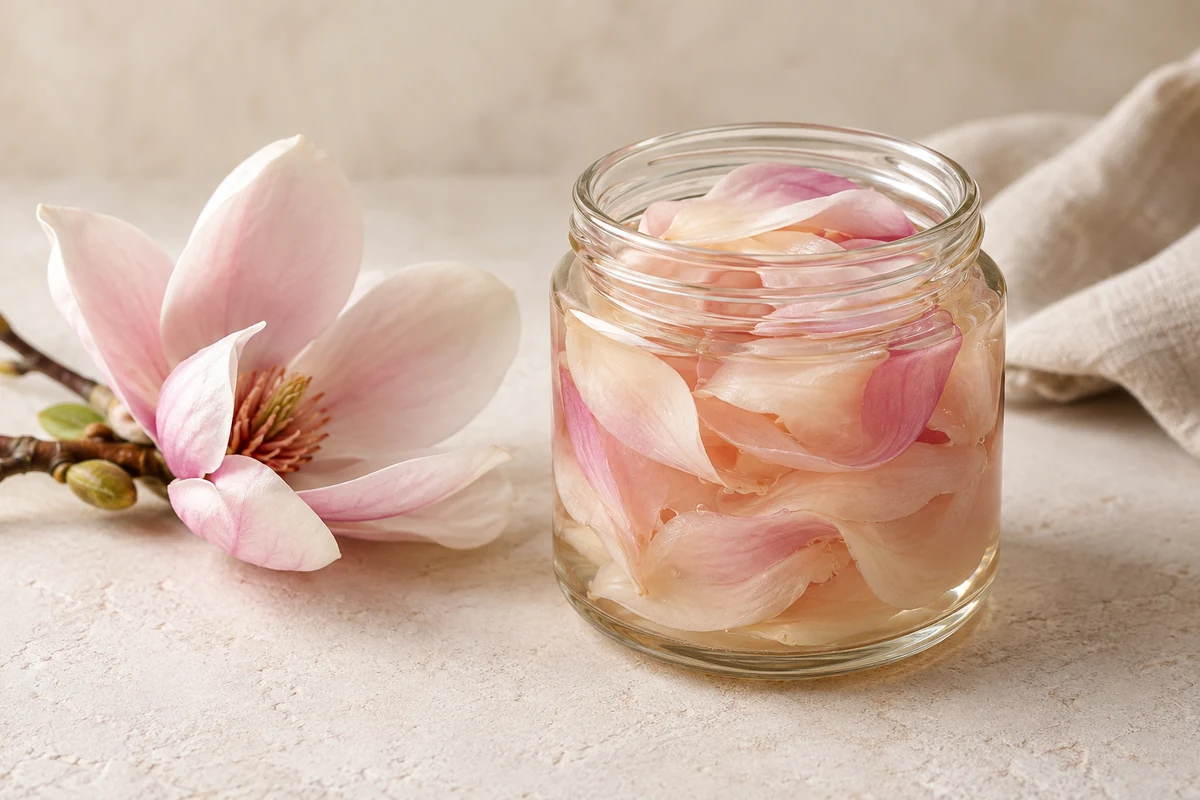 08New / unusual
Pickled magnolia petals
Magnolia petals pickled in lightly sweetened rice vinegar, from a recipe on Jamie Oliver’s website.
10 minutes prep + 24 hours pickling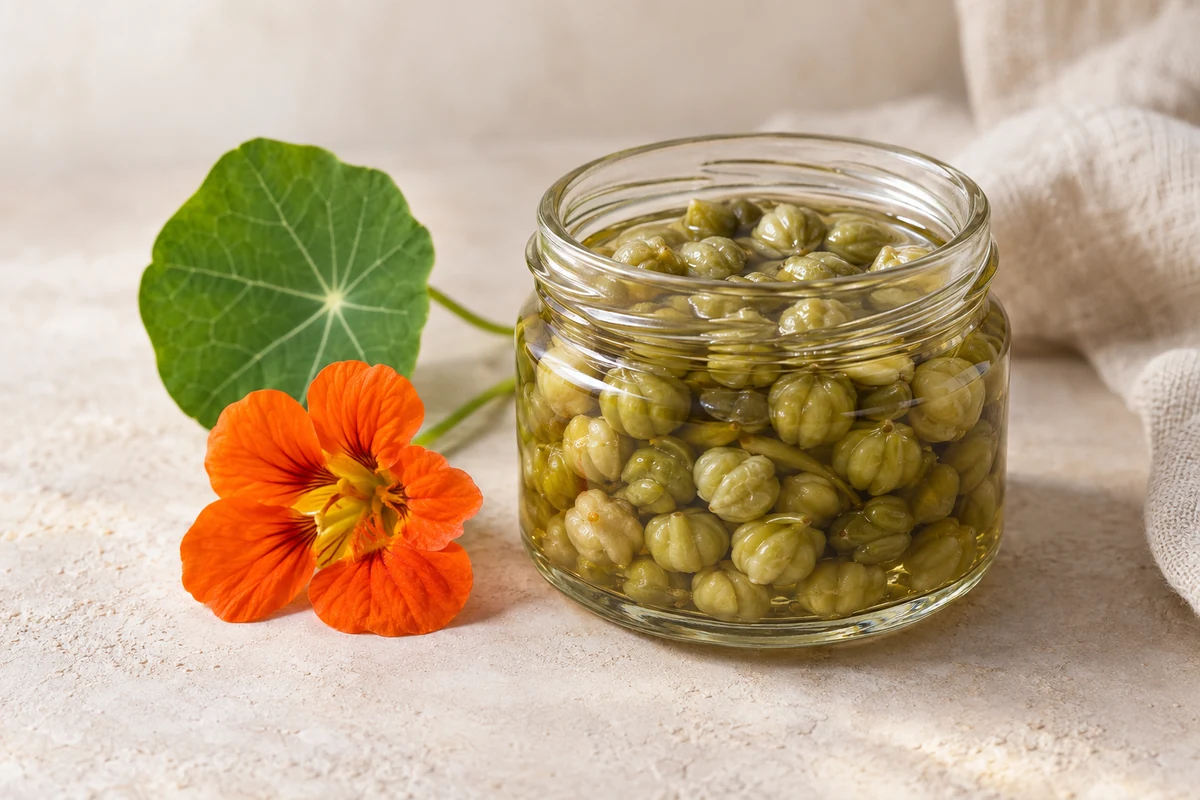 09New / unusual
Nasturtium “capers”
Pickled green nasturtium seeds with a peppery bite. Add them to dishes just as you would capers.
24 hours brining + 1 month maturing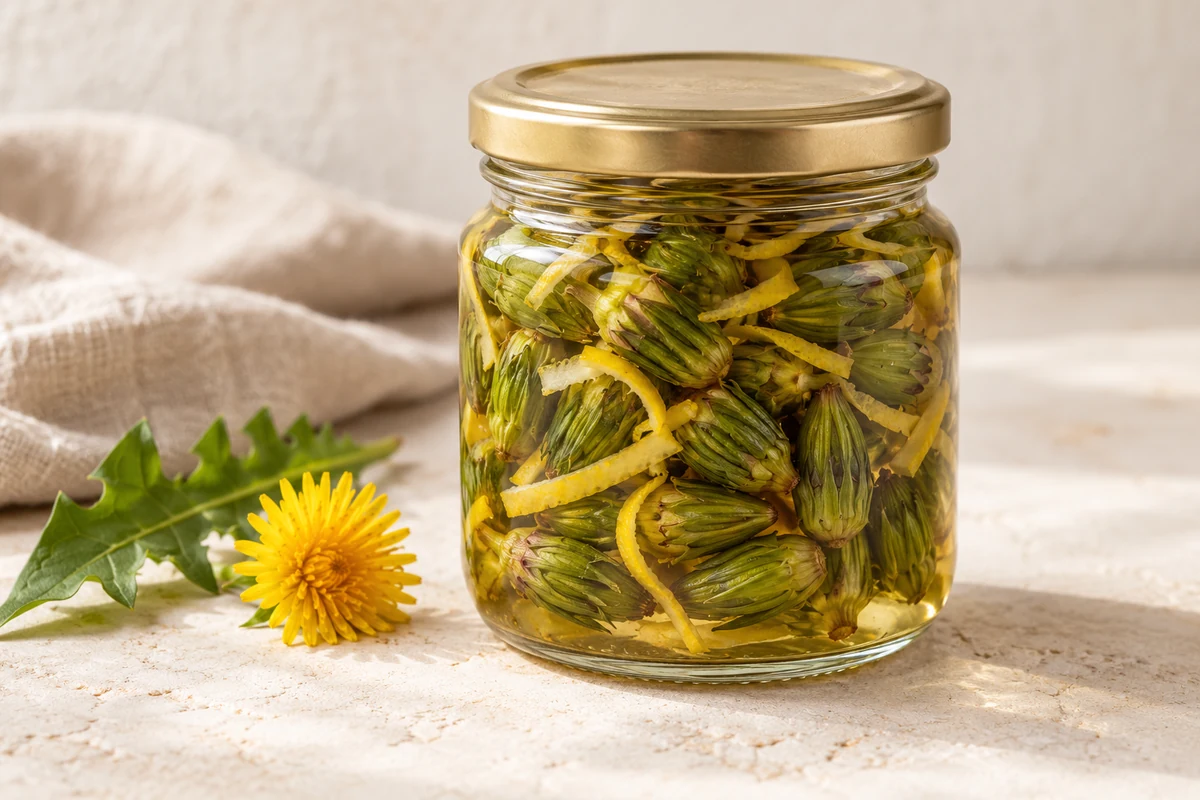 10New / unusual
Pickled dandelion buds
Dandelion buds pickled with coriander and mustard seeds, to use in place of capers. From Theresa Baumgärtner’s book Frühlingserwachen.
Brief cooking + chilling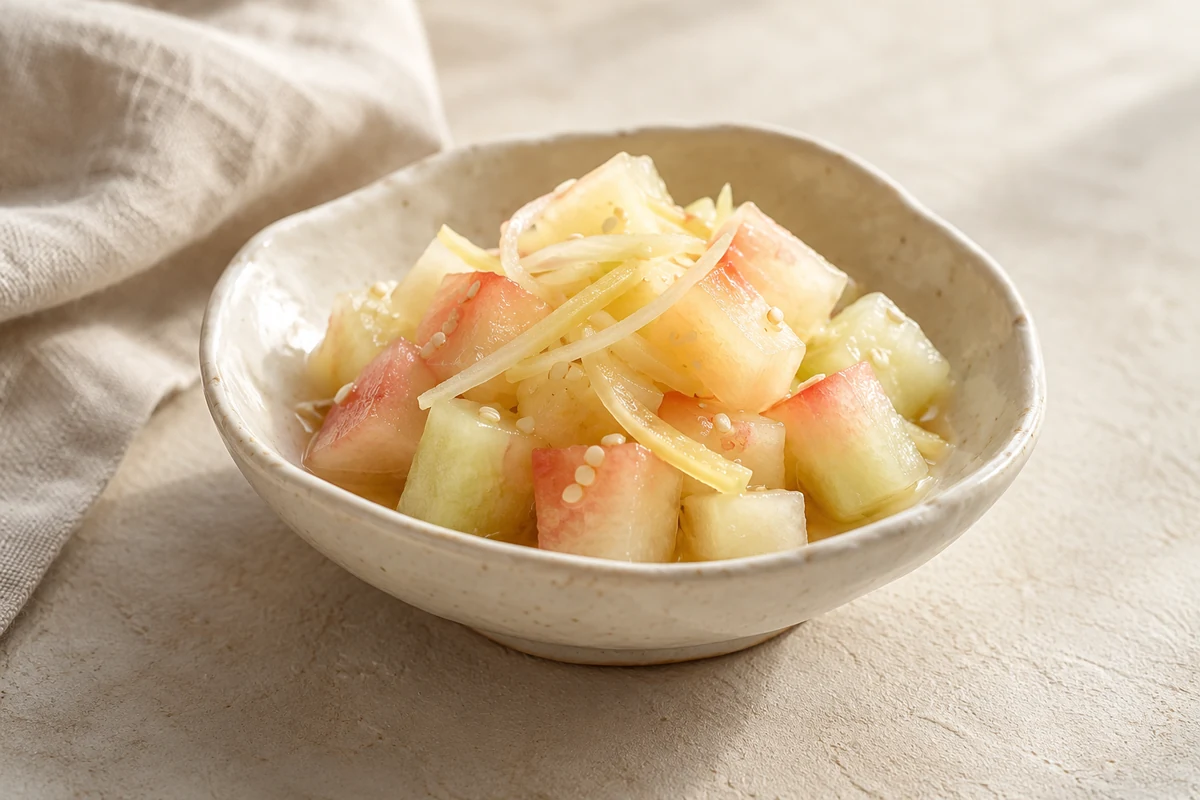 11New / unusual
Japanese pickled watermelon rind
Crisp white watermelon rind in a sweet-and-sour marinade with soy sauce and sesame oil. From Namiko Hirasawa Chen’s recipe at Just One Cookbook.
20 minutes prep + 2–3 hours chilling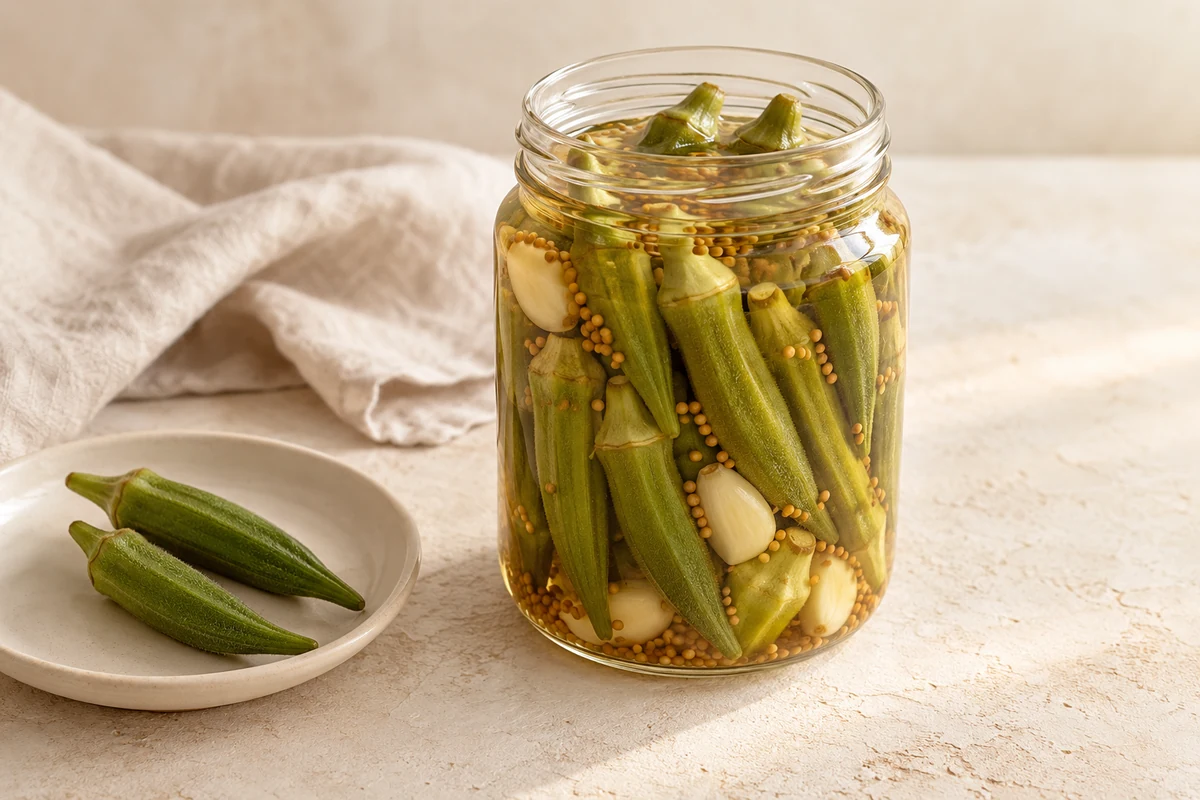 12New / unusual
Pickled okra with mustard seeds and garlic
Tender okra pods pickled with garlic, mustard seeds and bay leaf. From Nichole Dandrea-Russert’s recipe for Food Revolution Network.
15 minutes prep + at least 2 days pickling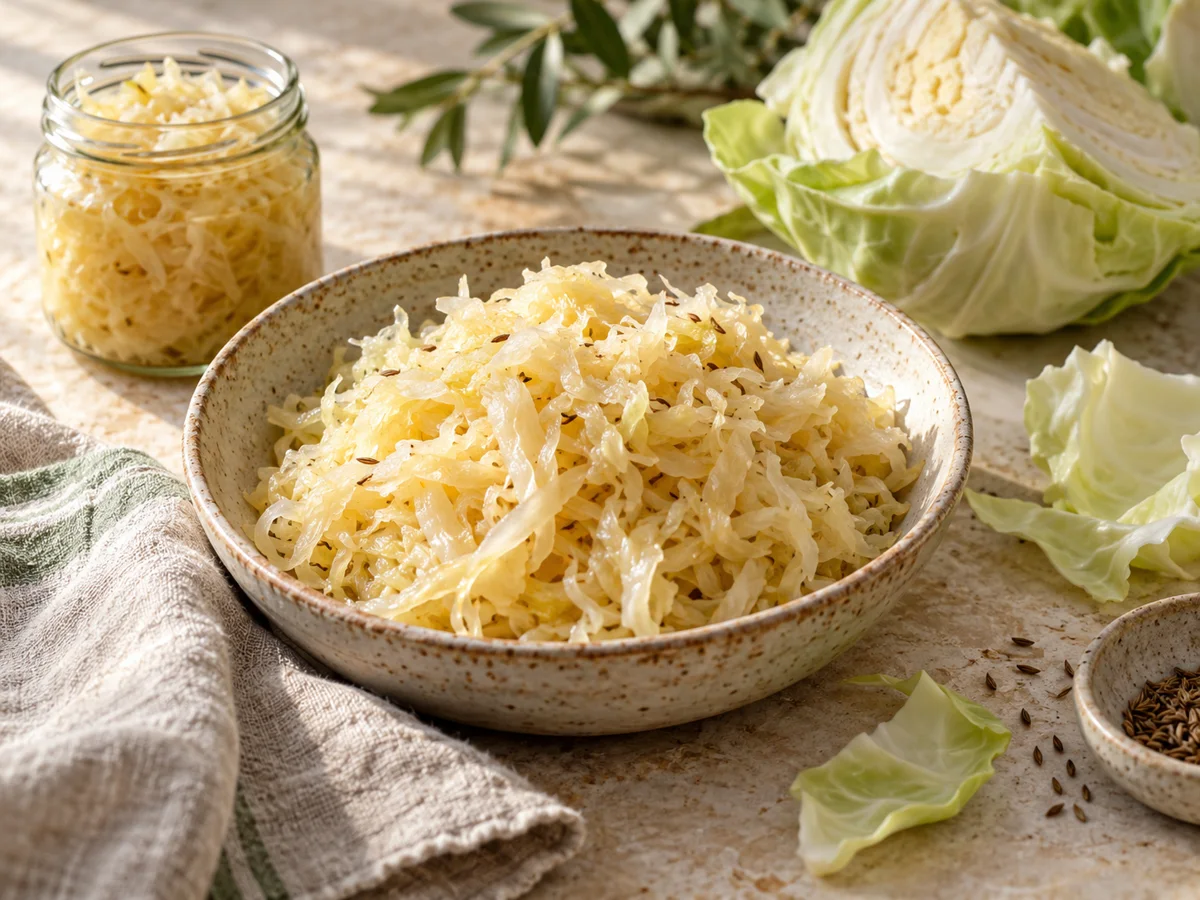 13
Ania’s sauerkraut
Homemade sauerkraut fermented in jars, following Anna’s recipe from AniaGotuje.pl.
30 minutes prep + 7–14 days fermenting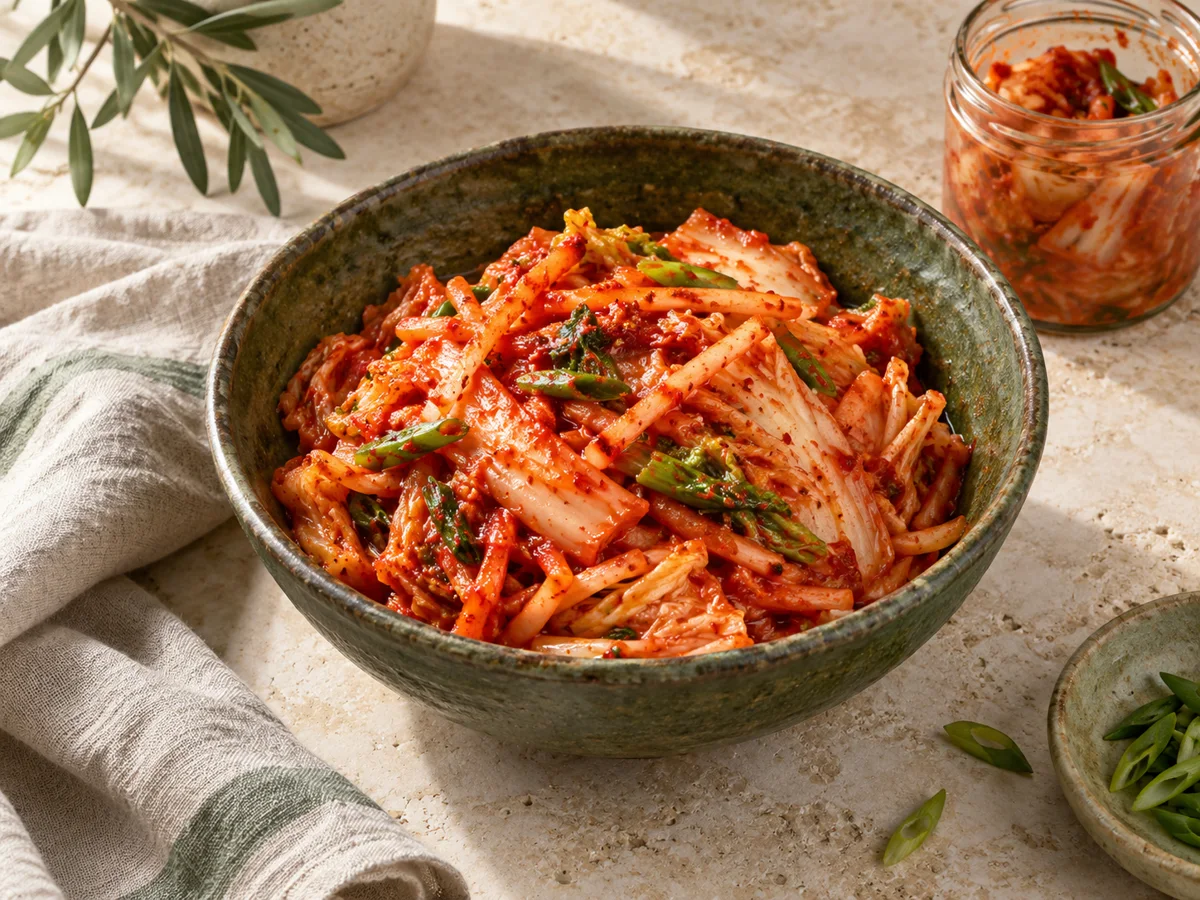 14
Sue Pressey’s napa cabbage kimchi
Traditional cabbage kimchi (pogi-kimchi) made with napa cabbage quarters, radish, Korean chilli flakes, fish sauce and salted fermented shrimp. From Sue Pressey’s recipe at My Korean Kitchen.
2 hours 30 minutes prep + 6 hours salting (8 hours 30 minutes total), then 24 hours fermenting + 3–4 days chilling for fuller flavour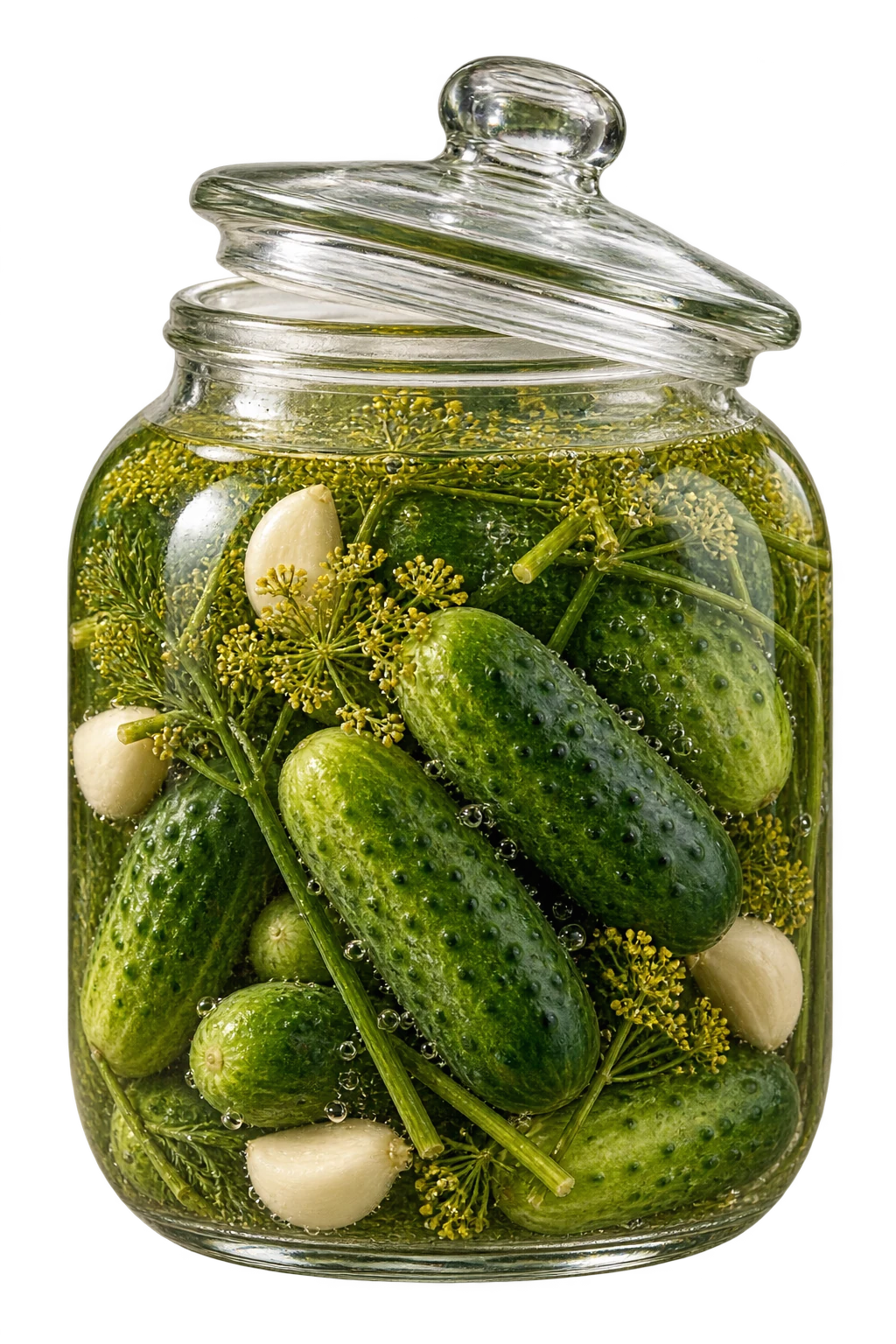 15
Fermented dill pickles
Cucumbers fermented with dill, garlic and horseradish, from Anna’s recipe at AniaGotuje.pl.
30 minutes prep + about 14 days fermenting (up to 20 days)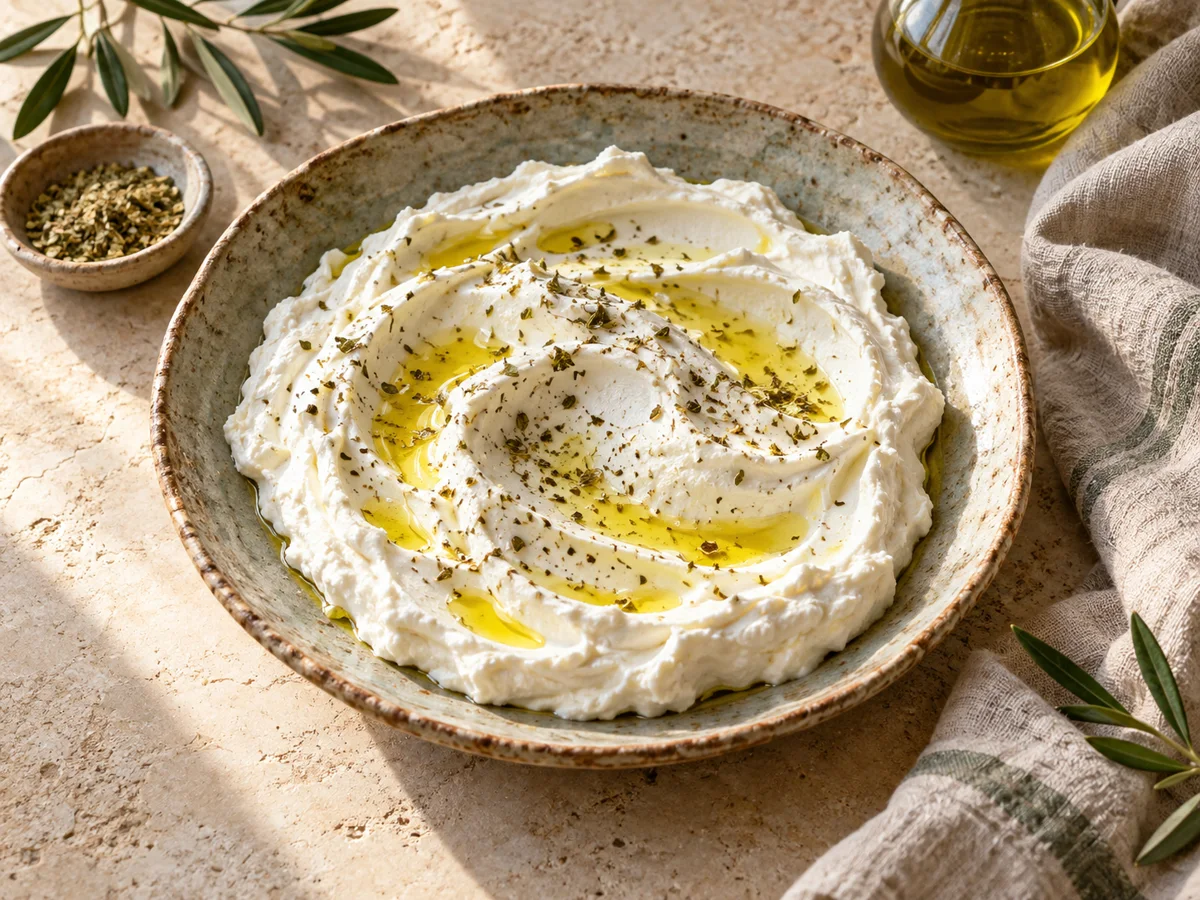 16
Labneh — creamy strained yoghurt
Thick, creamy strained yoghurt, from Victoria Prever’s recipe for Good Food. Serve with a drizzle of olive oil and a sprinkling of za’atar.
10 minutes preparation + 12–24 hours straining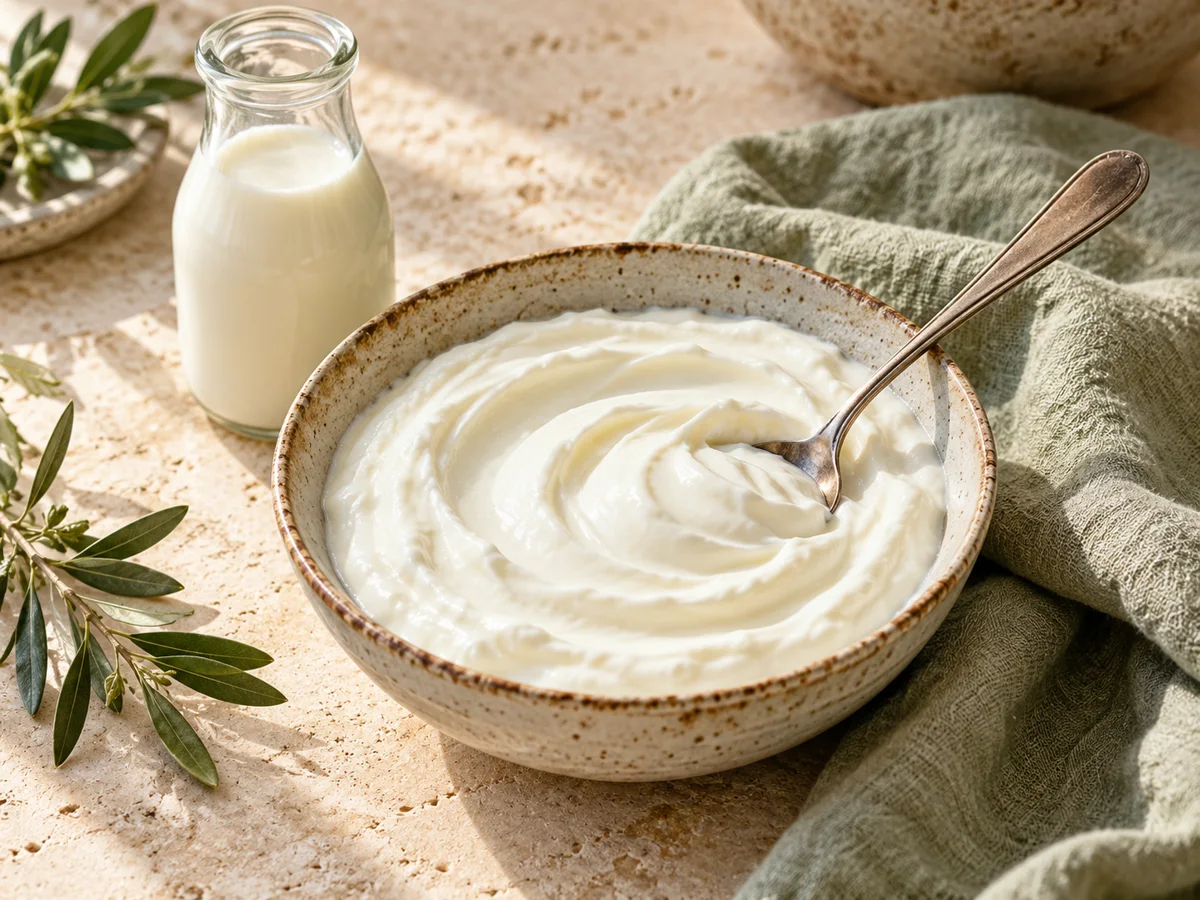 17
Homemade plain yoghurt
Plain yoghurt made without a yoghurt maker, using RICARDO’s method and an oven with its light switched on.
10 minutes prep + 10 minutes heating + 4–6 hours fermenting + 4 hours chilling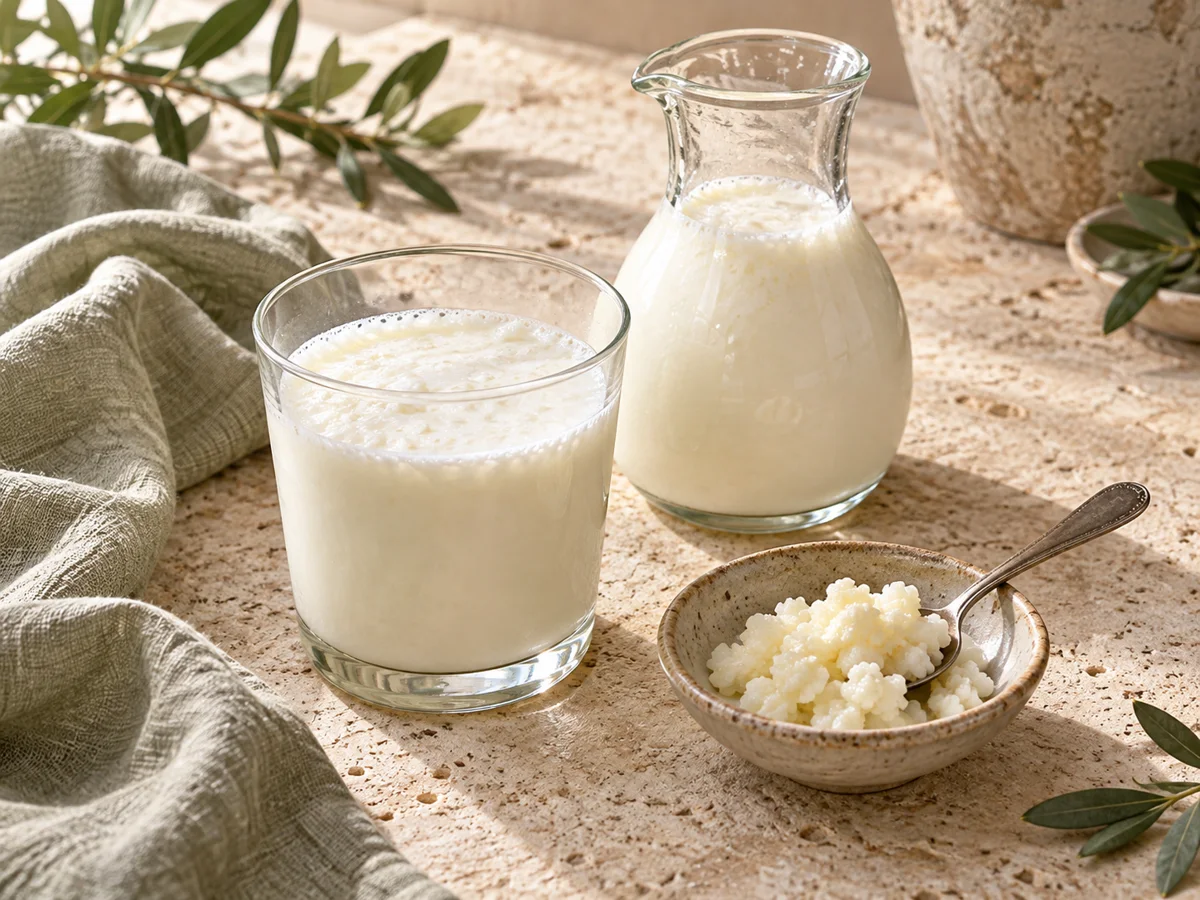 18
Homemade milk kefir
Milk kefir made with whole milk and milk kefir grains, following The Gut Stuff’s recipe.
24 hours fermenting, or another 24 hours if needed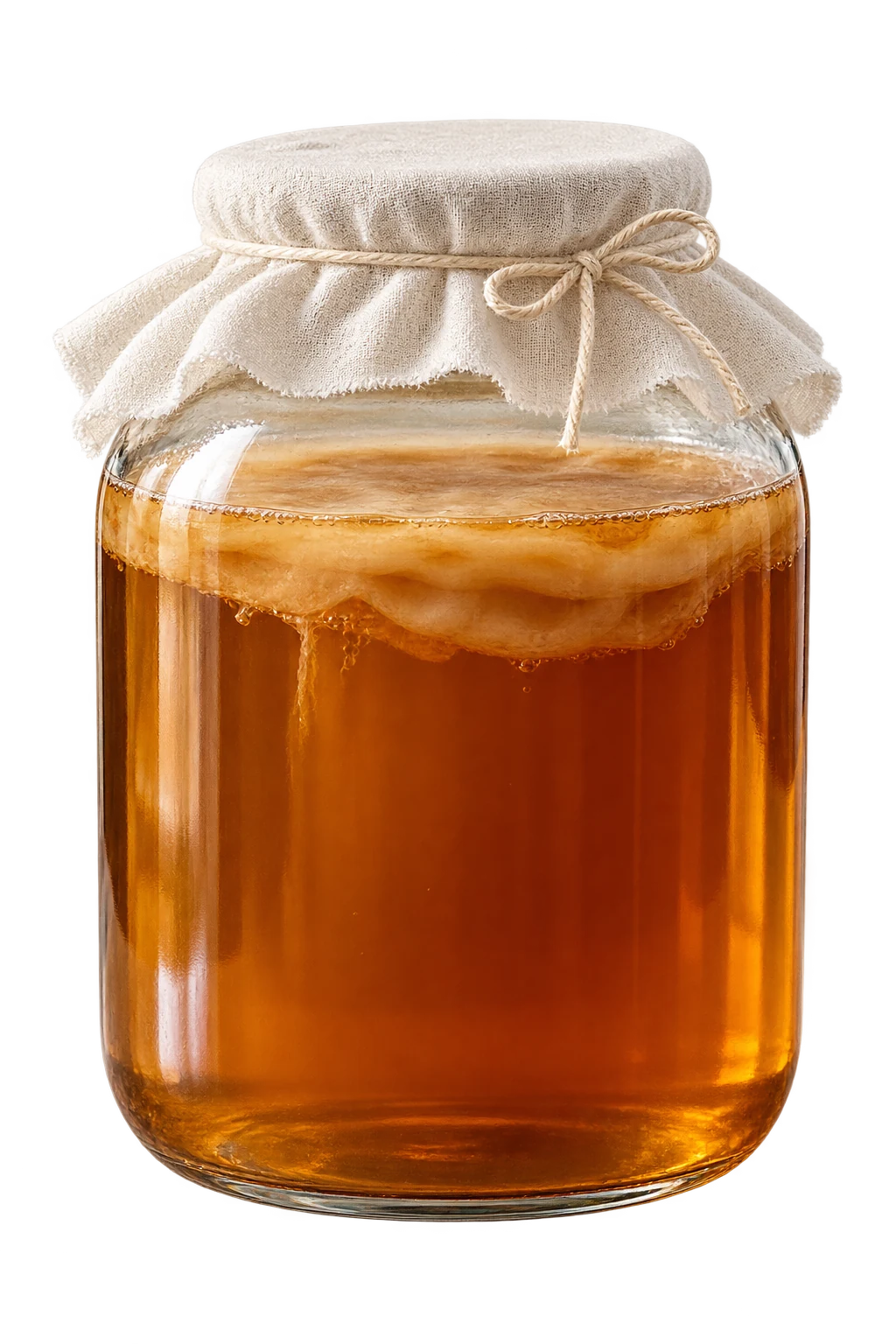 19
Kombucha — first fermentation
Sweetened black and green tea fermented into kombucha, following Alice Johnston’s recipe for Good Food.
20 minutes prep + steeping and cooling time + 1–2 weeks fermenting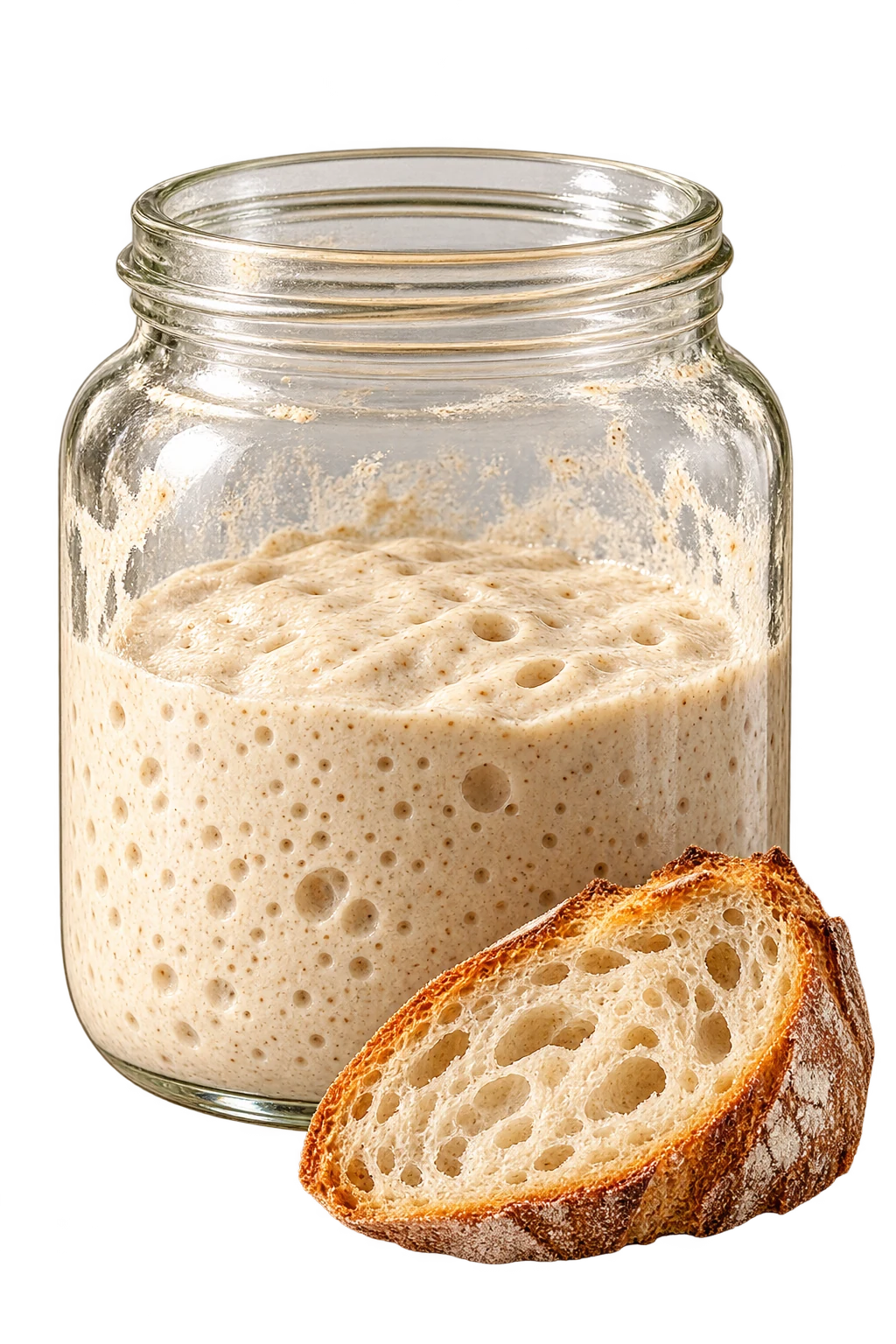 20
Wheat sourdough starter
Start a sourdough culture with flour and water using King Arthur Baking’s method. Consistent rising after feeding is the best sign that it is ready to use.
5 days and 50 minutes; allow longer if needed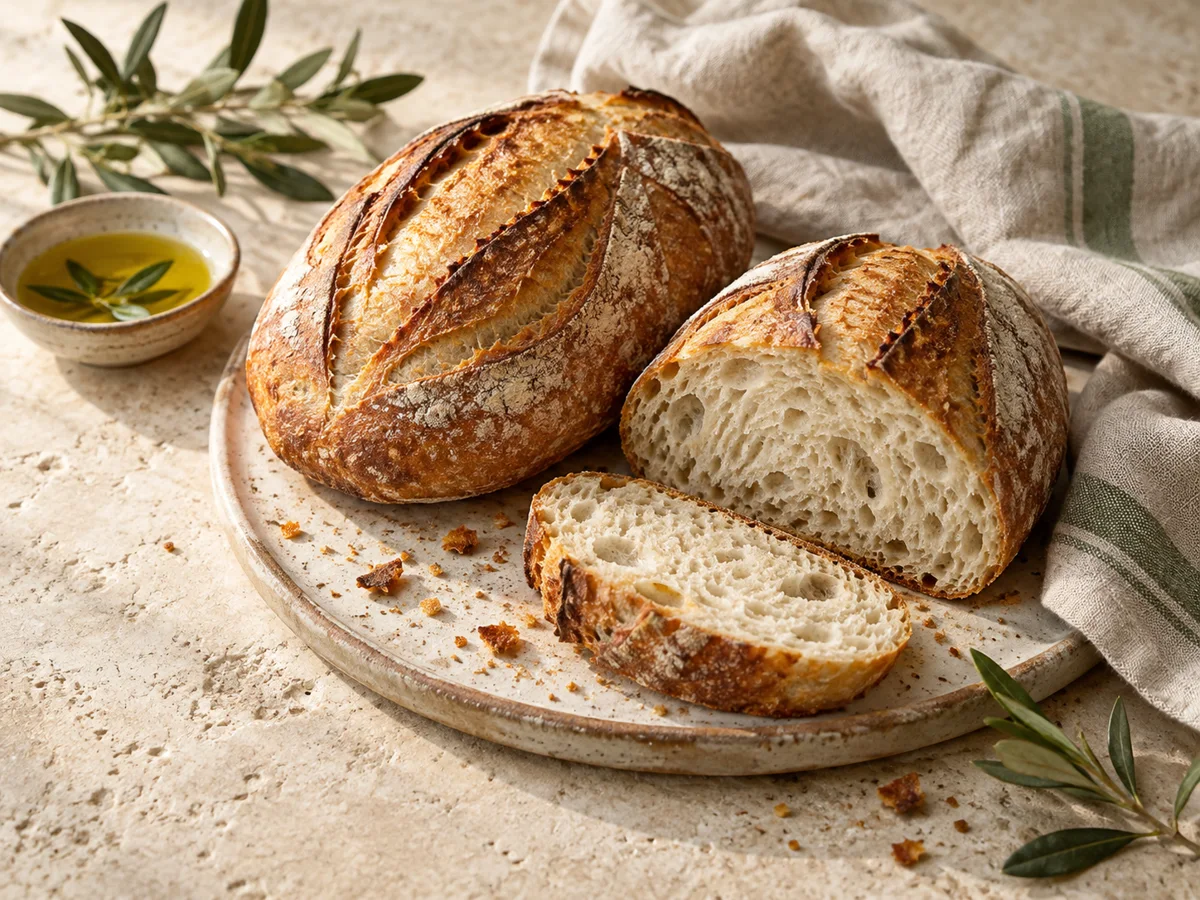 21
Rustic sourdough bread with instant yeast
Two oblong loaves from PJ Hamel’s recipe. Active sourdough starter adds flavour, and a little instant yeast helps the dough rise.
3 hours and 7 minutes total, including 25–30 minutes baking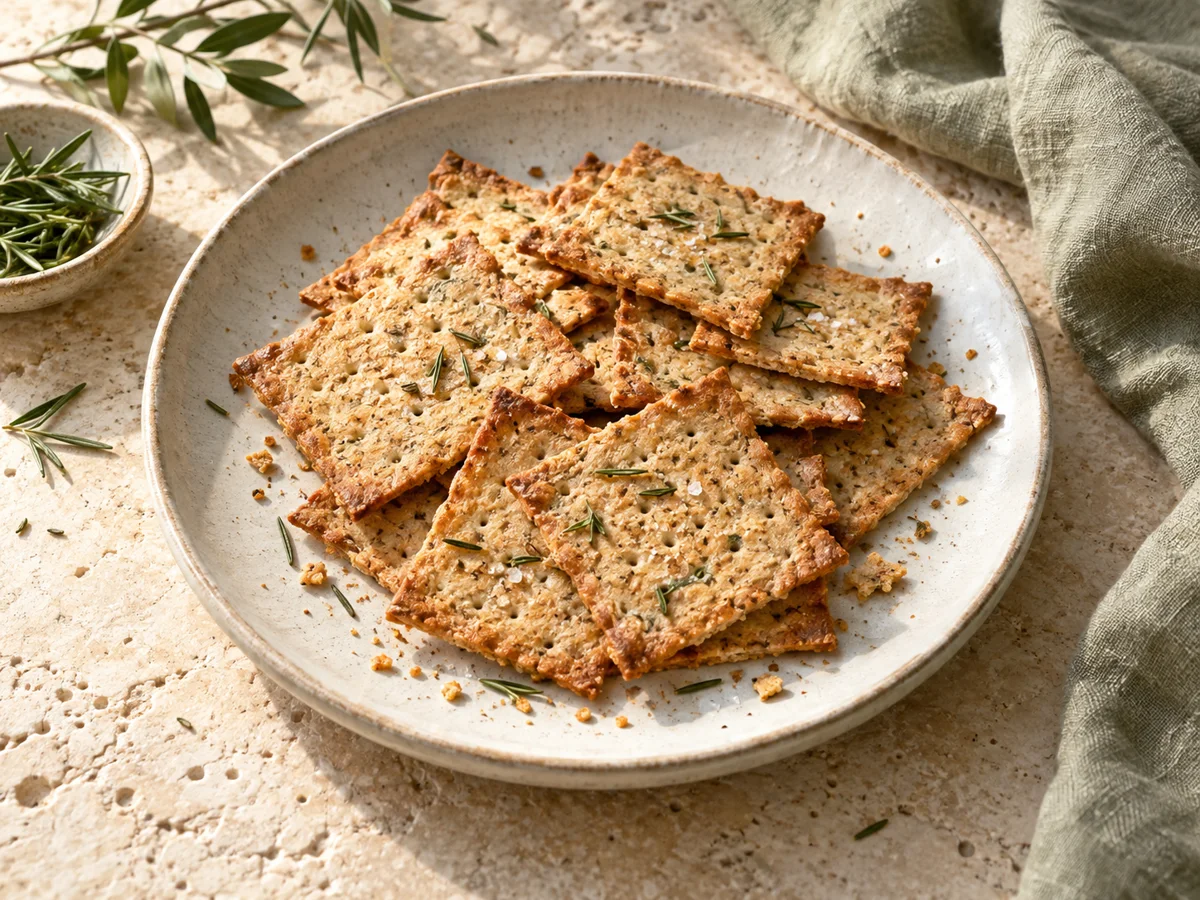 22
Sourdough crackers with dried herbs
Thin, crisp crackers made with sourdough discard, from CarolAnn Leventhal’s recipe. The dough does not need to rise.
1 hour and 25 minutes total, including 20–25 minutes baking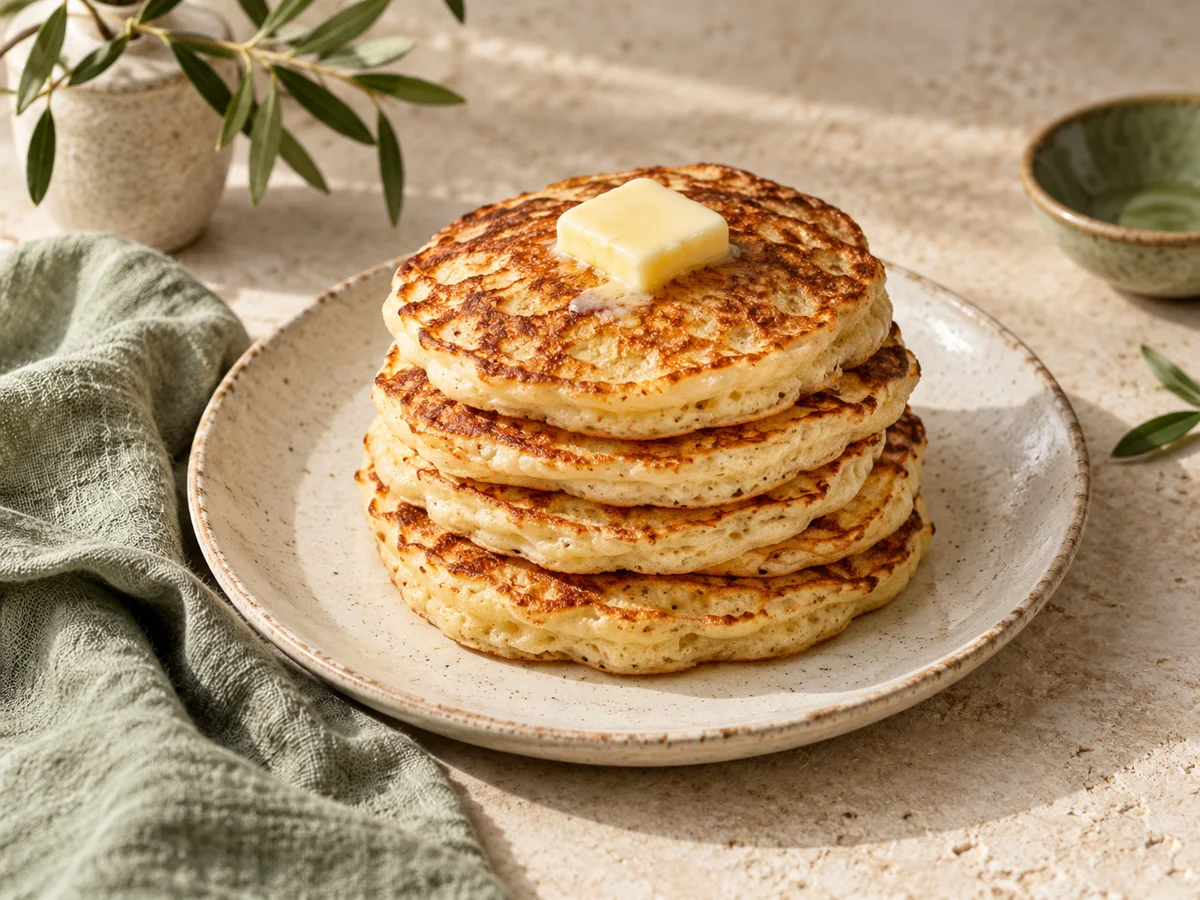 23
Sourdough buttermilk pancakes
Fluffy buttermilk pancakes made with sourdough discard, from PJ Hamel’s recipe. Mix the sponge the night before, then finish the batter in the morning.
12 hours and 42 minutes total, including 42 minutes prep and cookingNo recipes match your search. Try another search or select All recipes.
Before you fill the jar
Are vinegar pickles fermented?
No. In these new recipes, vinegar provides the acidity. During fermentation, microorganisms turn sugars into acids. Each recipe shows which method it uses.
Can I keep the new garden pickles in the pantry?
Check the Storage section of the specific recipe. The four autumn NCHFP recipes include the processing instructions needed for pantry storage. The earlier garden pickles require refrigeration. Closing a jar does not replace correct processing.
Can I pickle any flower from the garden?
Use only correctly identified edible species grown for food. Florist flowers, ornamental plants treated with pesticides and unidentified species are not suitable for these recipes.
Each recipe includes its sources.