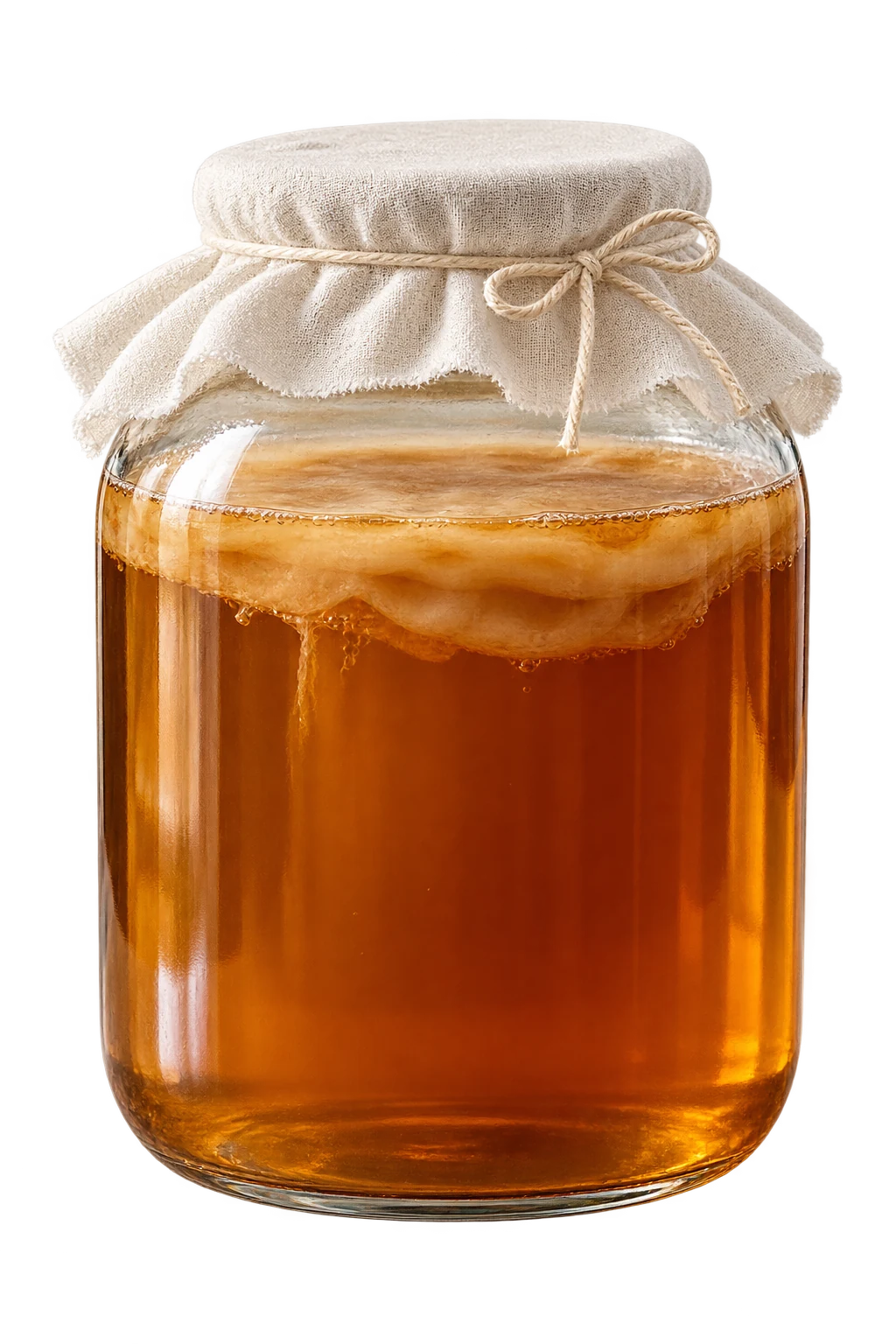
Kombucha is made from sweetened tea and an active culture of bacteria and yeasts. Sugar feeds fermentation, while the starter liquid acidifies the tea. The jelly-like layer sometimes called a “mushroom” is not a mushroom. This recipe ends after the first fermentation, without further carbonation in a warm, sealed bottle.
Recipes / Drinks
Kombucha — first fermentation
Sweetened black and green tea fermented into kombucha, following Alice Johnston’s recipe for Good Food.
Instructions
Download printable PDFRecipe card to download and print
0 / 6 steps completed
Brew the tea
Pour the freshly boiled water into a saucepan. Add the tea and sugar, stir to dissolve the sugar and steep for 6–10 minutes.
Cool and add the starter
Remove the tea bags without squeezing, or strain out loose-leaf tea. Let the tea cool completely, then pour into a 2.5–3-litre glass jar. Add the SCOBY and starter liquid, leaving at least 5 cm of space at the top.
Cover the jar
Cover with a thin tea towel or muslin and secure with a rubber band. Label the jar with the date and contents.
Leave to ferment
Leave for 1–2 weeks at room temperature, away from radiators, the oven and direct sunlight. Air needs to circulate, so do not keep the jar in a closed cupboard.
Check the flavour
After the first week, check the pH first, following the BCCDC note below. Taste only when it is within 2.5–4.2. You can then check the flavour daily; longer fermentation makes the drink more acidic. If the pH is still above 4.2 after 7 days, discard the batch.
Reserve starter and chill
When the flavour is to your liking, pour into bottles. Keep the SCOBY and 100–200 ml kombucha to start the next batch. Refrigerate the finished drink; this recipe stops after the first fermentation.
Tips
Starter liquid acidifies the tea. Good Food advises discarding both the liquid and SCOBY if mould develops.
Additional BCCDC guidance: use a calibrated pH meter before tasting. Finished kombucha should have a pH of 2.5–4.2. If the pH is still above 4.2 after 7 days, discard the batch and restart with a fresh commercially supplied culture.
Contains caffeine and may contain alcohol. A home brew cannot be assumed to be alcohol-free.
Storage
Keep the finished drink refrigerated for up to 3 months.
How to serve
Serve chilled. This recipe does not include a second fermentation for carbonation.
Recipe sources
- Alice Johnston · Good Food
- Good Food · How to make kombucha
- BCCDC · Food Safety Assessment of Kombucha Tea
This recipe is based on the sources listed above.
What will you make next?
 01
Vegetables
Ania’s sauerkraut
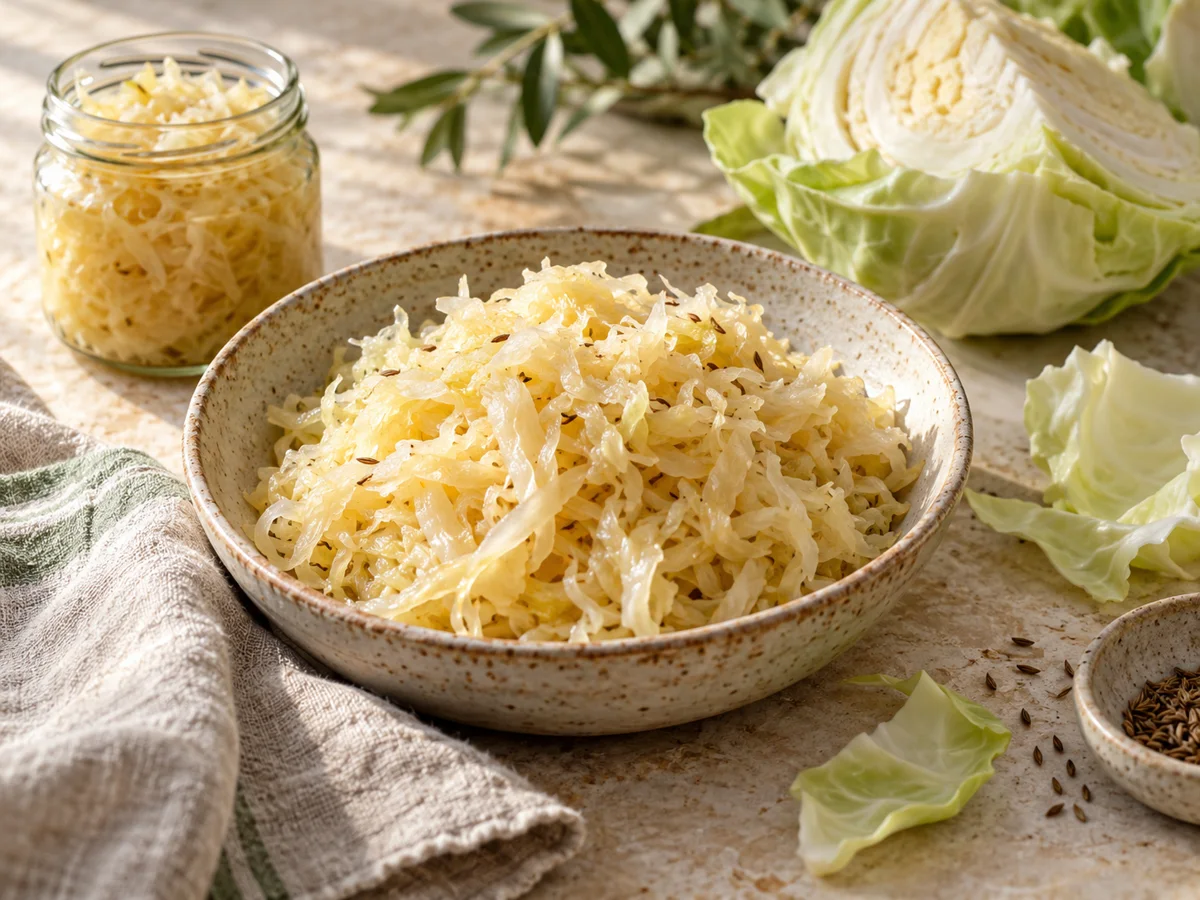
Homemade sauerkraut fermented in jars, following Anna’s recipe from AniaGotuje.pl.
30 minutes prep + 7–14 days fermenting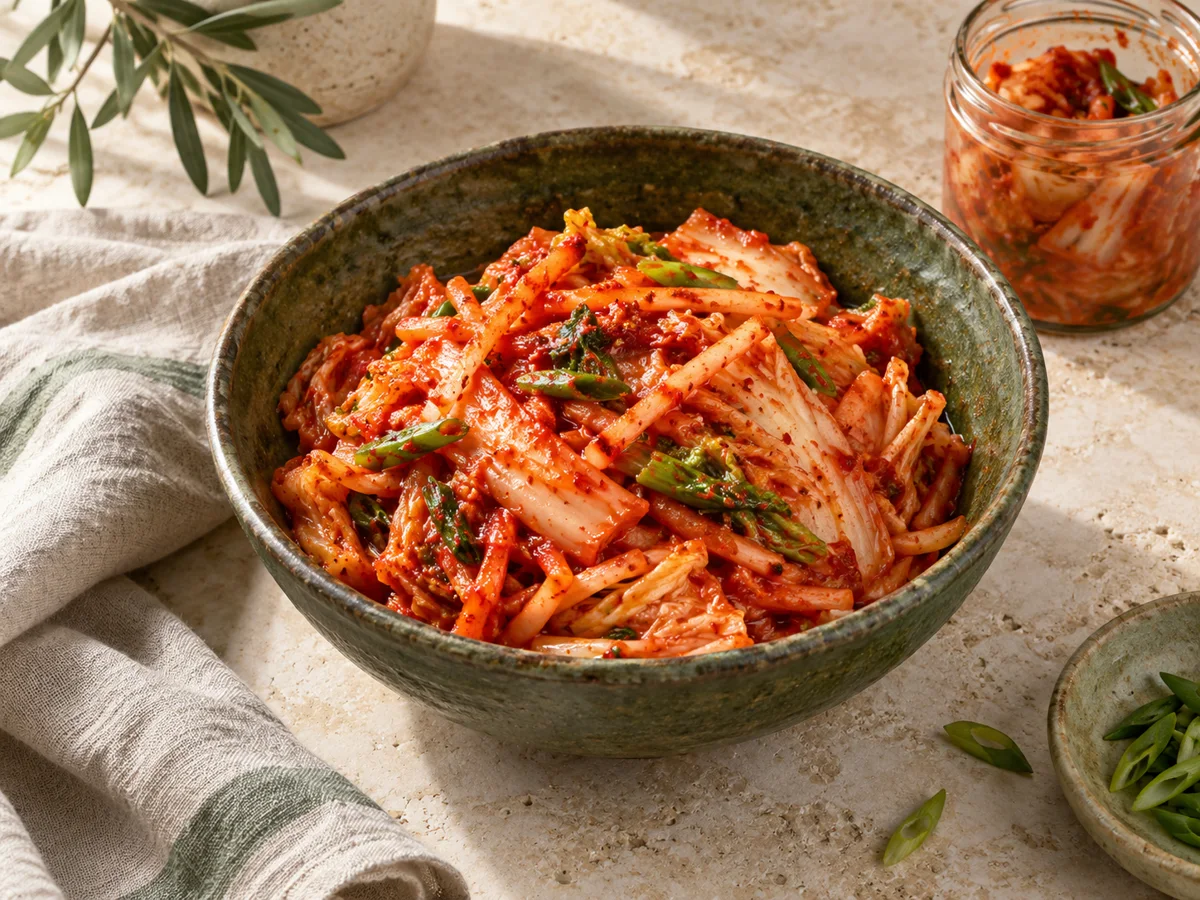 02
Vegetables
Sue Pressey’s napa cabbage kimchi
Traditional cabbage kimchi (pogi-kimchi) made with napa cabbage quarters, radish, Korean chilli flakes, fish sauce and salted fermented shrimp. From Sue Pressey’s recipe at My Korean Kitchen.
2 hours 30 minutes prep + 6 hours salting (8 hours 30 minutes total), then 24 hours fermenting + 3–4 days chilling for fuller flavour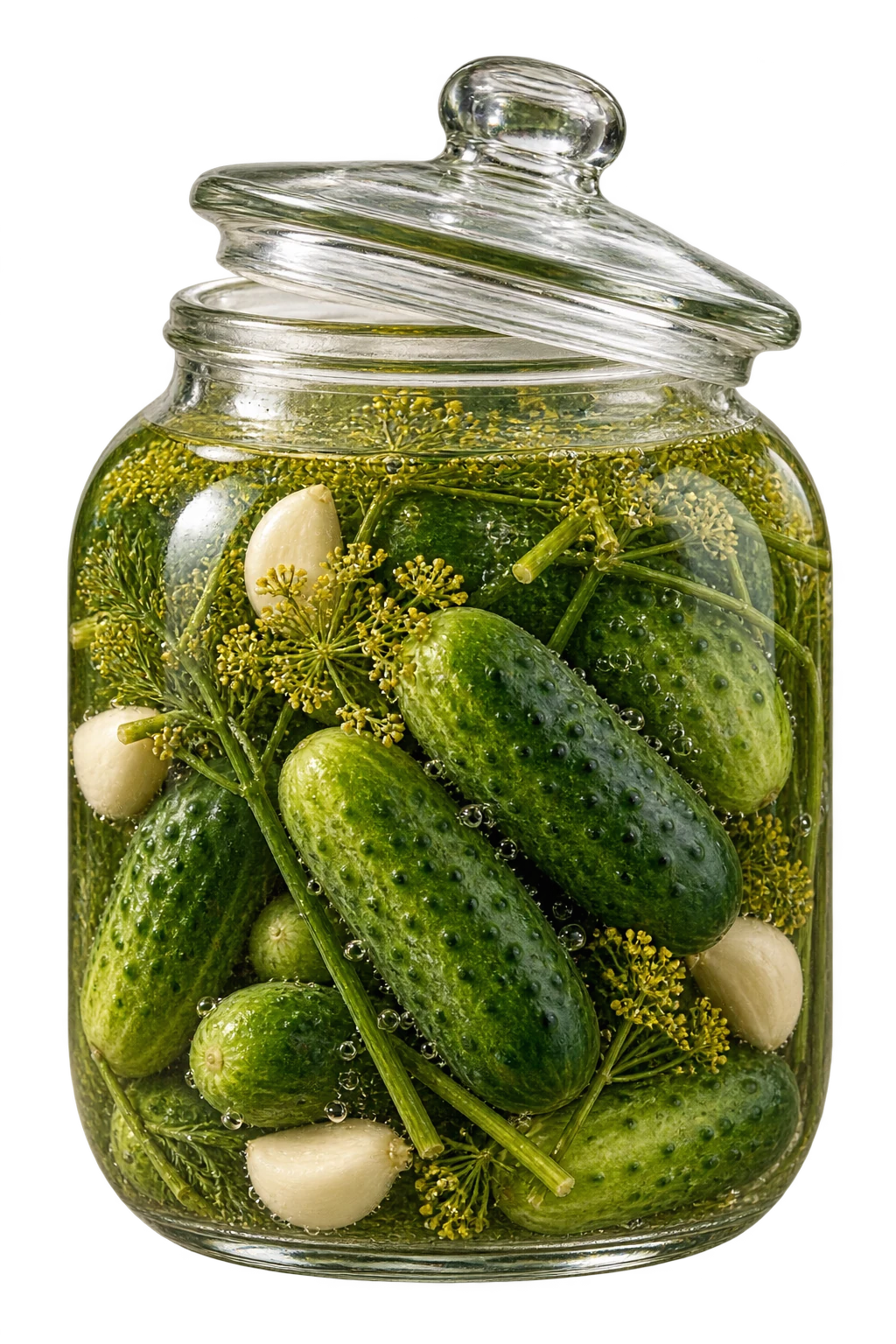 03
Vegetables
Fermented dill pickles
Cucumbers fermented with dill, garlic and horseradish, from Anna’s recipe at AniaGotuje.pl.
30 minutes prep + about 14 days fermenting (up to 20 days)