For curious home cooks
Want to understand food and try something in the kitchen? Start with a recipe, its quantities, instructions and source.
Choose a recipeA good question deserves a clear answer. Explore science close to the kitchen, observation guides and resources worth coming back to.
Find your topic Natalia Horbach, PhD
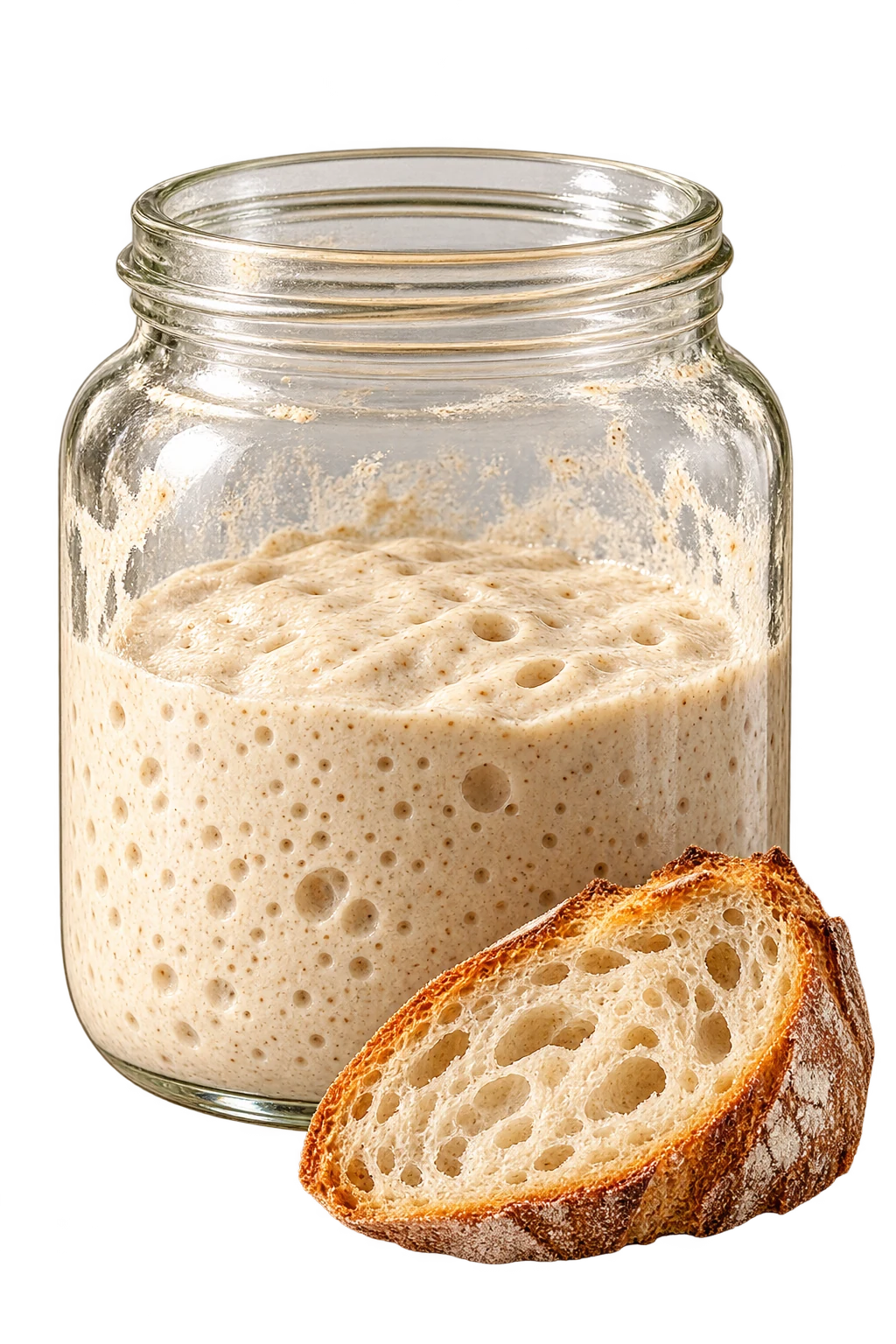
Flour, water and microbial teamwork. Understand the process before measuring your ingredients.
Read the resourceChoose a topic or search for the question that brought you here.
Resources: 10 / 10
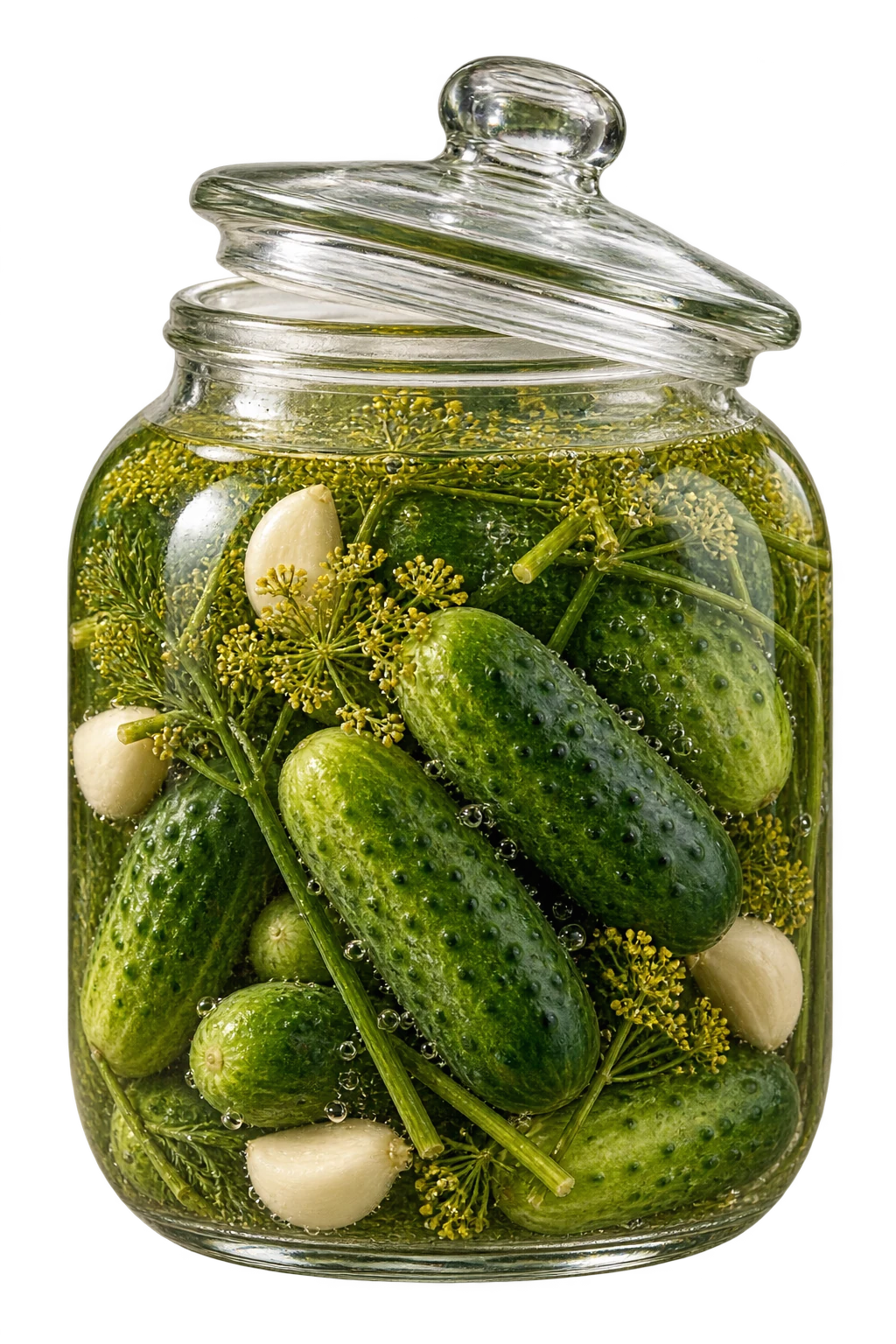
A cucumber, salt, water and time. A simple beginning to a story whose most important characters are invisible to the naked eye.
Read the resource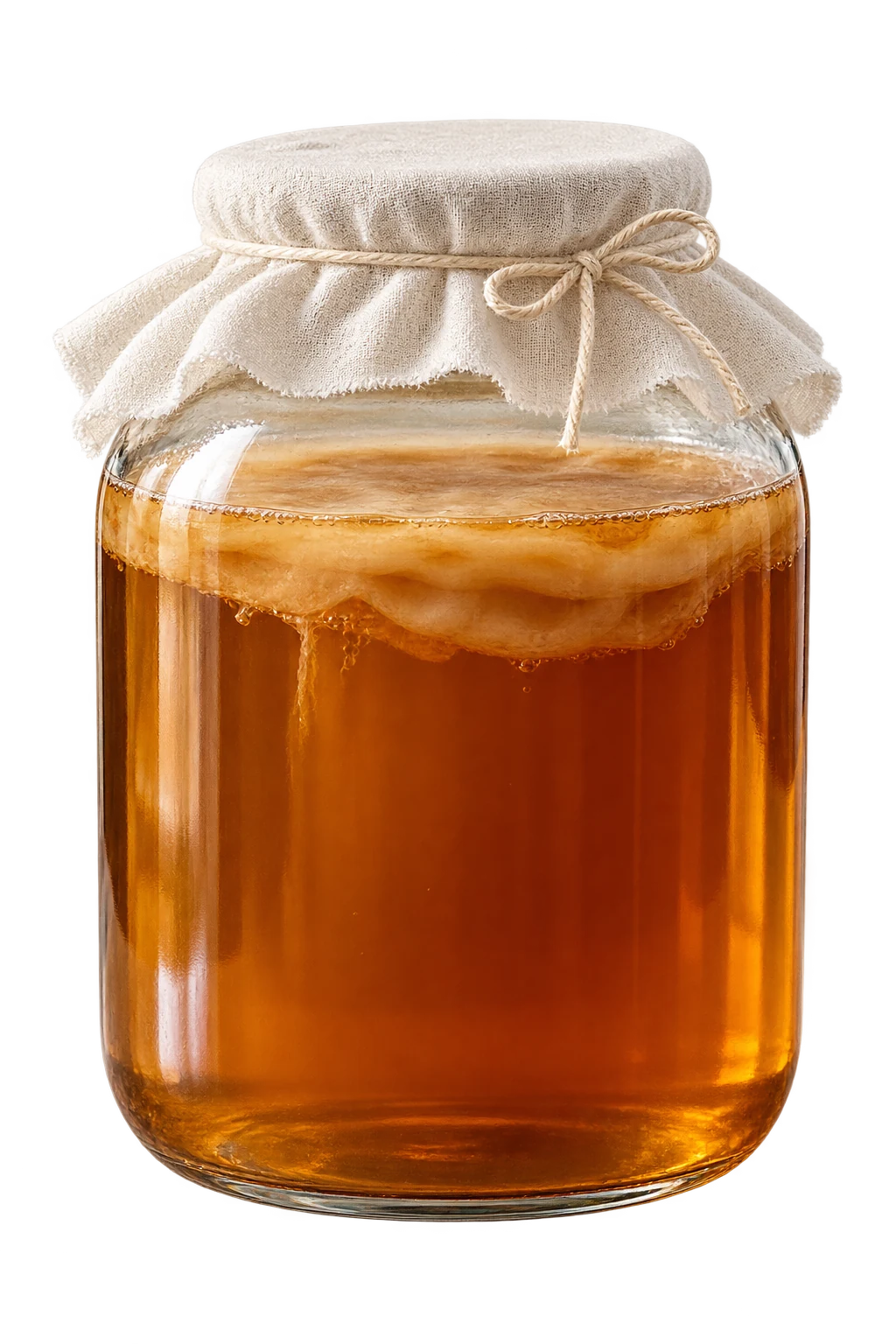
It begins with sweetened tea. Then a community of microorganisms gets to work, changing its flavour and composition.
Read the resource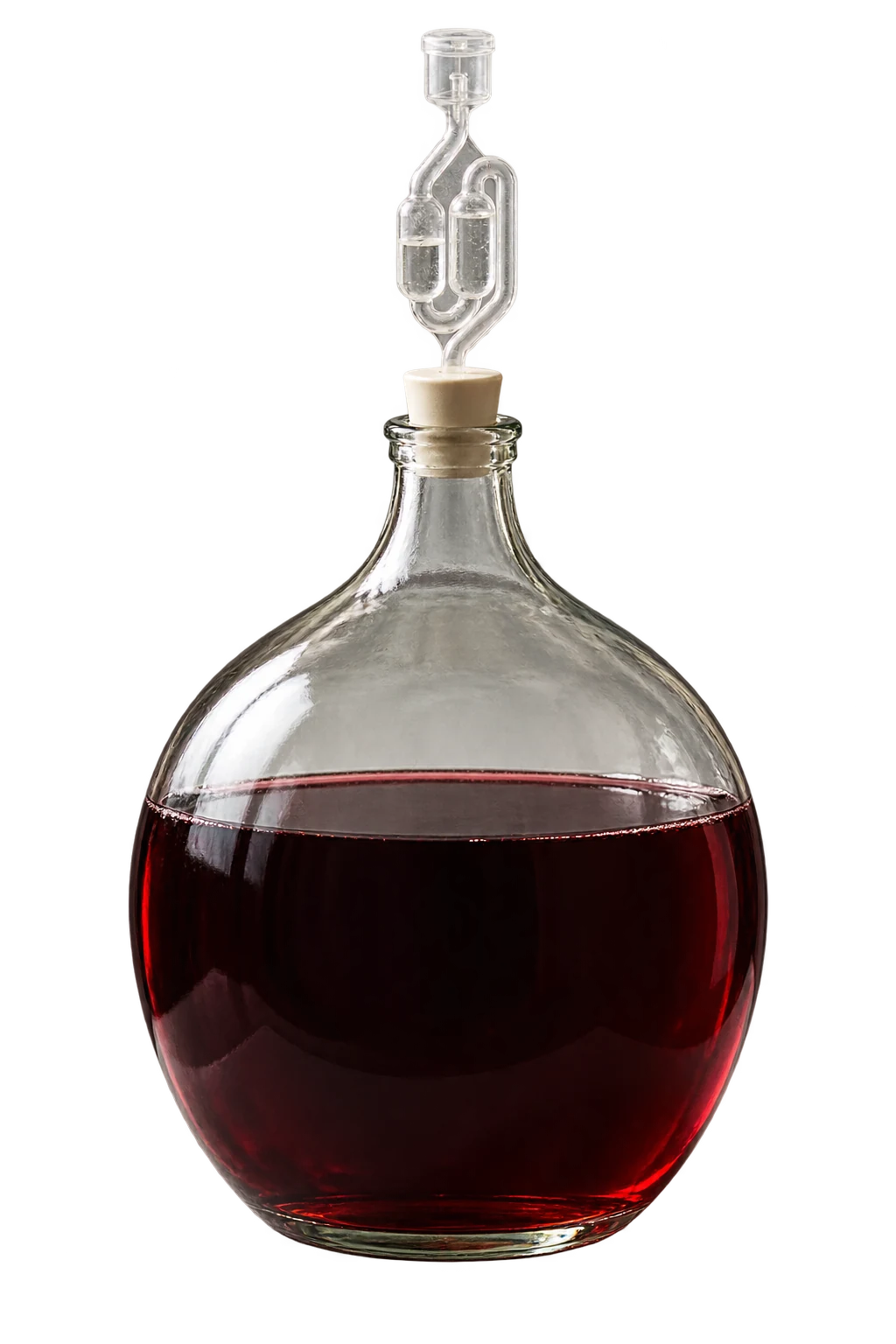
You can see movement in the demijohn, but the most important changes happen at the scale of a cell. Winemaking is a fascinating lesson in biochemistry.
Read the resource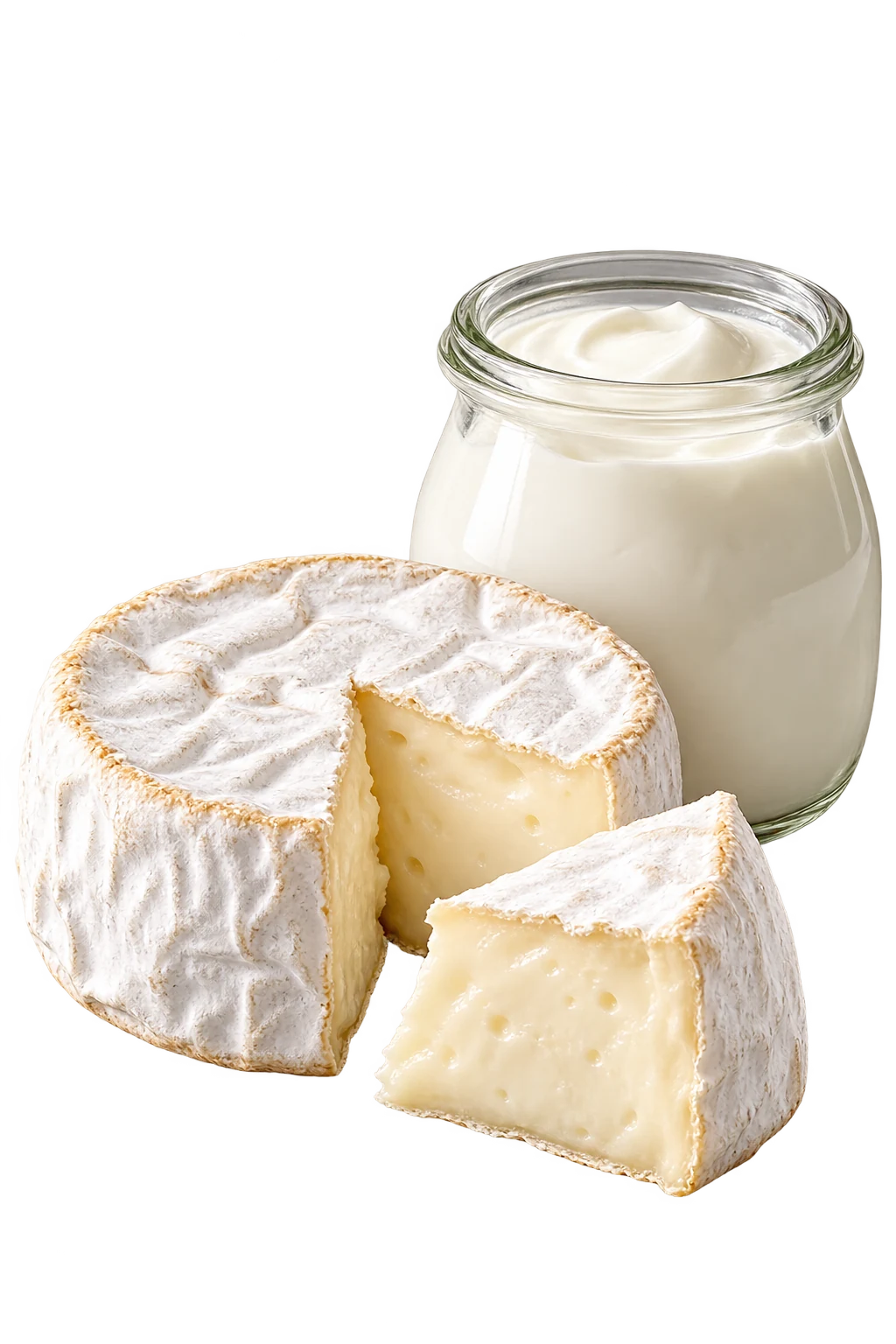
From delicate fresh curd to strongly aromatic cheese, the diversity of cheese starts with milk and develops through several processes. Fermentation, curd formation and ripening are connected, although each term describes a different part of the transformation.
Read the resource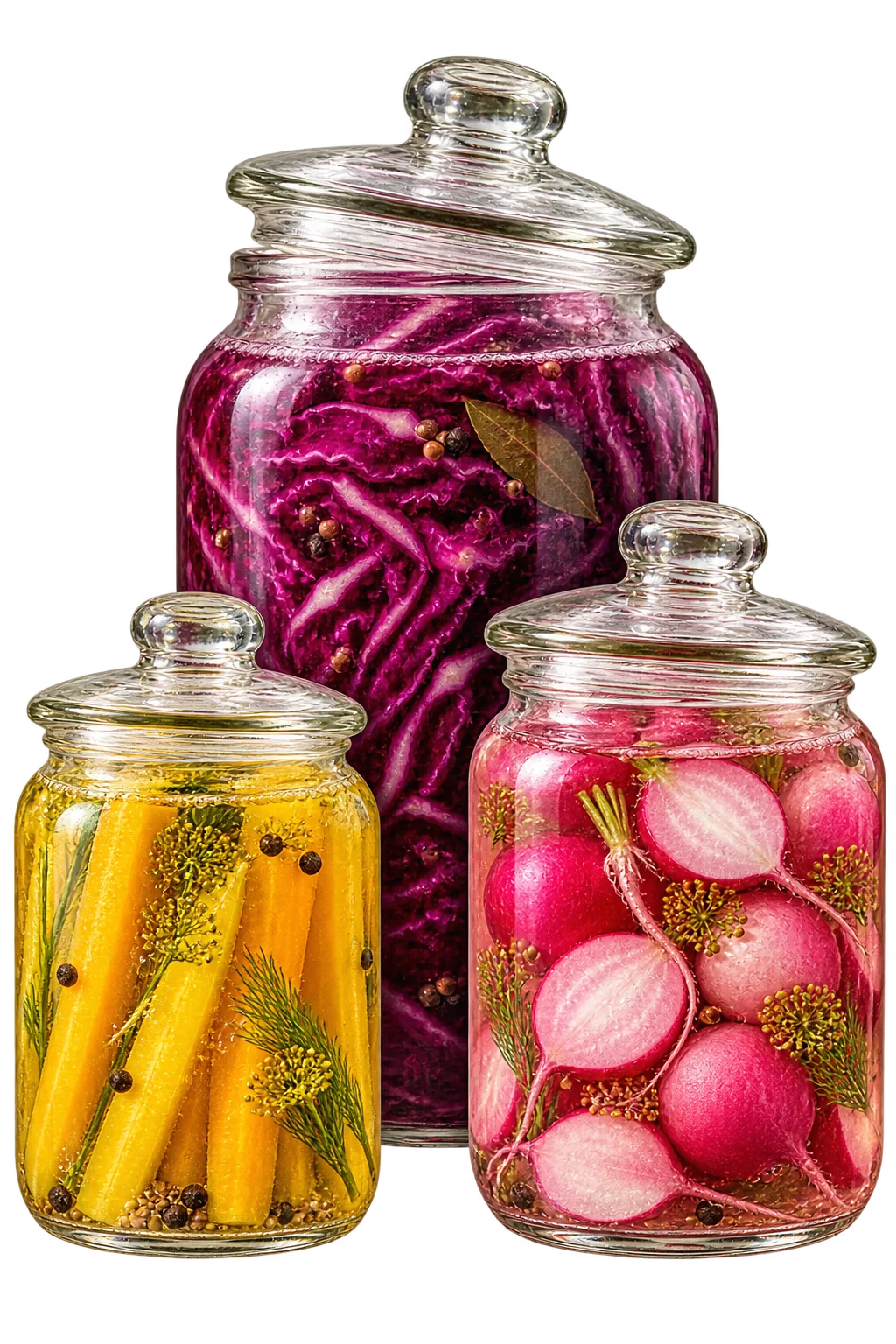
Vegetable fermentation takes many forms. Korean kimchi shows how vegetables and seasonings create an environment for whole communities of microorganisms. Red cabbage, carrots and beetroot invite a closer look at colour, too. These foods deserve to be explored without reducing them all to a single recipe.
Read the resourceA sourdough starter is a fermenting mixture of flour and water inhabited by lactic acid bacteria and yeasts. With successive refreshments, its microbial community changes, while the dough develops acidity and the ability to rise.
Read the resource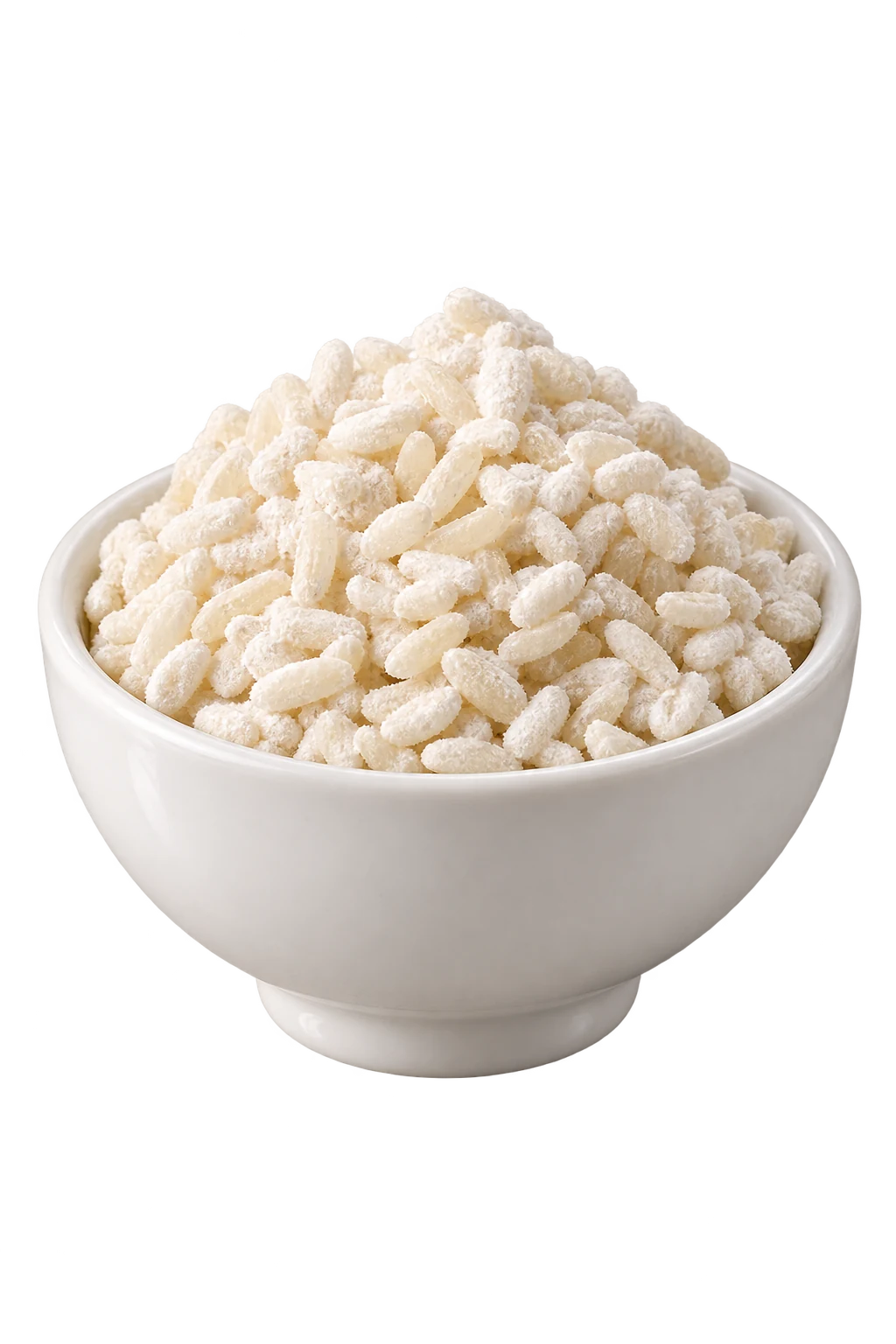
Rice koji is made by growing a selected culture of the fungus Aspergillus oryzae on prepared rice under controlled conditions. The fungus produces enzymes that change the raw material’s composition. This is an important stage in several Japanese food processes.
Read the resourceSour taste, a meter reading and acid content are related. They are not three names for the same thing.
Read the resource“Two percent” sounds precise. Until we ask: two percent of what?
Read the resourceMemory likes shortcuts. A journal preserves details that can later become essential.
Read the resourceWant to understand food and try something in the kitchen? Start with a recipe, its quantities, instructions and source.
Choose a recipeNeed a starting point for a lesson? Explore the exercise and observation sheet.
Explore the resourcesHave a food technology question or an idea for a class? Explore collaboration directions and describe your project.
Discuss a projectI combine food technology, chemical sciences and teaching. At Fermentarnia I explain processes and distinguish observations from conclusions.