Enzymes make nutrients available
Amylases help break starch into smaller molecules, including sugars. Proteolytic enzymes break down proteins, helping release peptides and amino acids. In miso, these transformations contribute to flavor, including through the release of glutamate.
Sake also depends on yeast
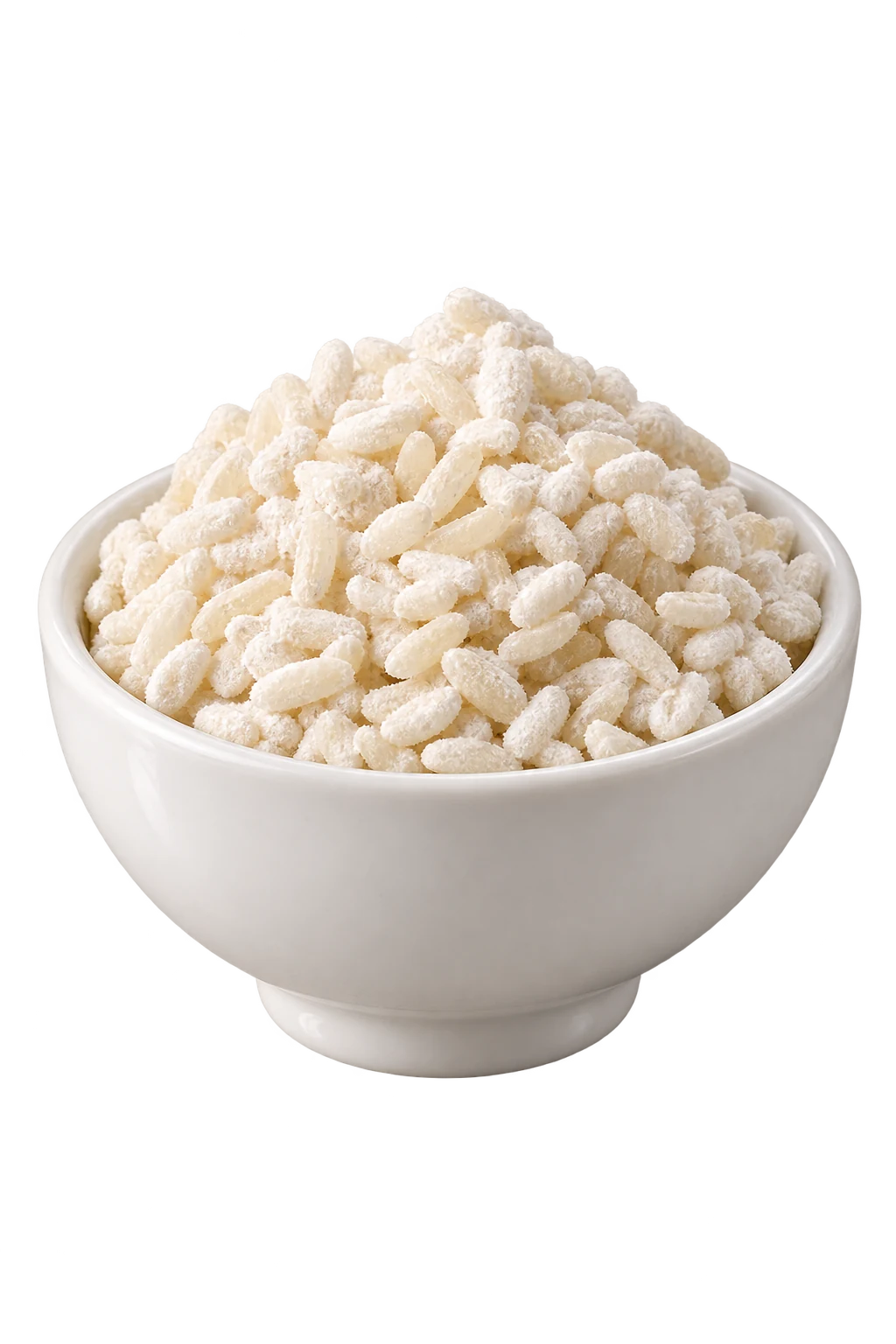
Koji enzymes make sugars available from rice, and yeasts convert those sugars into alcohol. Both processes occur in parallel in sake mash. Starch breakdown and alcoholic fermentation thus have different agents, although the processes are closely connected.
Miso follows a different process
Miso is a soybean-based paste that uses rice, barley or soybean koji, depending on the variety. Salt, ingredient proportions and maturation shape the product. In many varieties, yeasts and lactic acid bacteria participate alongside the enzymes.
The raw material and strain matter
Koji research shows that both the A. oryzae strain and the rice variety influence the activity of protein-degrading enzymes. The species name alone does not describe every property of a culture. Selecting the ingredients and starter is part of the production process.
A food culture has a known origin
Safety studies concern identified strains used in food production. Their findings cannot be extended to mold that happens to grow on food. Koji requires a culture intended for food use and a controlled process; appearance alone cannot confirm a mold’s identity.