White cabbage provides its own pickling liquid: salt and massaging help draw juice from the shredded leaves. Lactic acid bacteria use the sugars in that juice to produce acids. Measuring the salt, packing the cabbage firmly and keeping it submerged are all important in this recipe.
Recipes / Vegetables
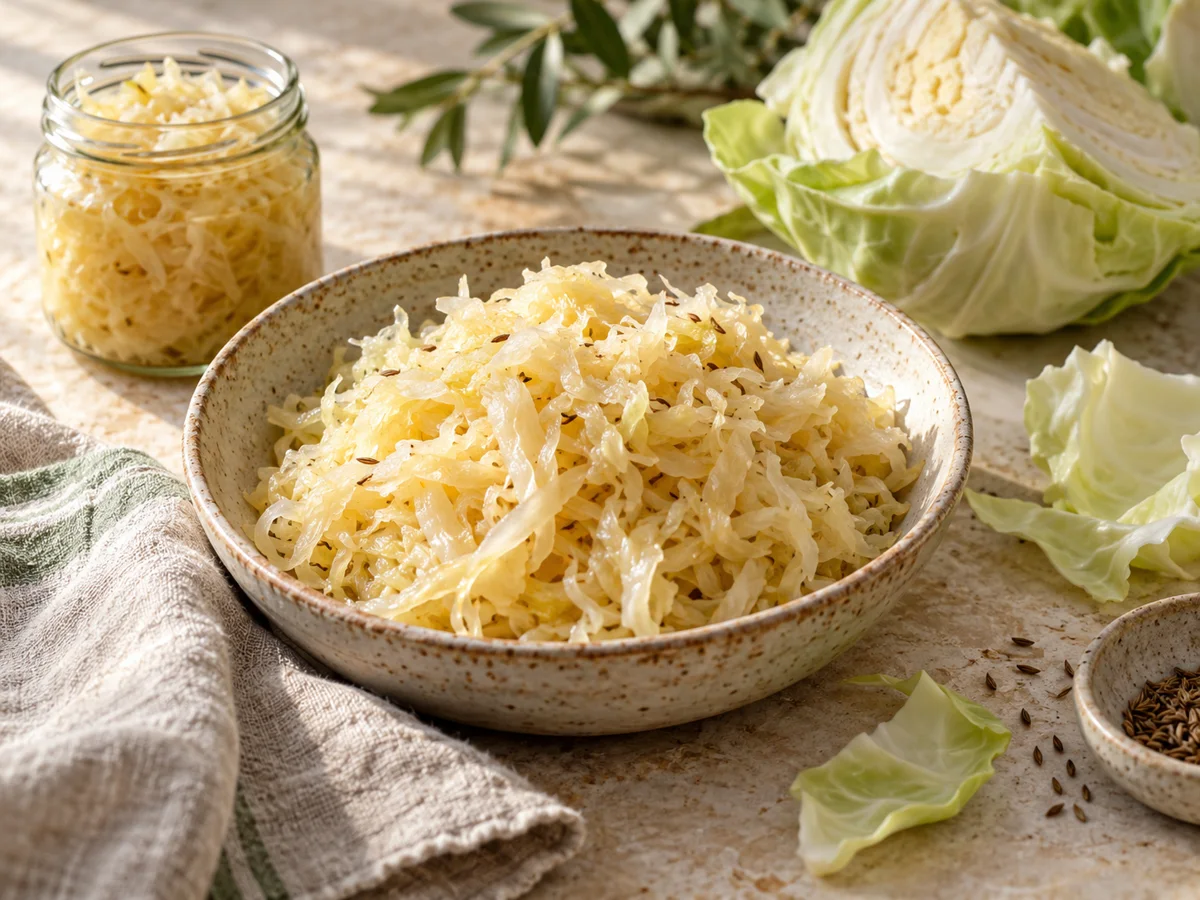
Ania’s sauerkraut
Homemade sauerkraut fermented in jars, following Anna’s recipe from AniaGotuje.pl.
Instructions
Download printable PDFRecipe card to download and print
0 / 5 steps completed
Trim and shred
Remove loose or damaged outer leaves. Wash the cabbage, quarter it and remove the core. Shred finely.
Salt and massage
Mix the cabbage with the salt. Massage for a few minutes, then leave for 30 minutes. Repeat until plenty of juice is released.
Pack the jars
Scald clean, undamaged jars and lids. Add the cabbage a little at a time, pressing down firmly. Fill each jar to 80% of its capacity and make sure the juice covers the cabbage. Screw on the lids loosely.
Leave to ferment
Keep away from bright light at no more than 19°C. If a lid bulges, release the gas and press the cabbage back down with a scalded spoon.
Taste and chill
Taste after a week. Ferment for 7–14 days in total; once the flavour is as sour as you like, move the jars to the fridge.
Tips
Storage
Keep refrigerated for up to 3 months. Use an opened jar within a week.
How to serve
Use in slaw, cabbage soup, bigos or pierogi fillings.
What will you make next?
 02
Vegetables
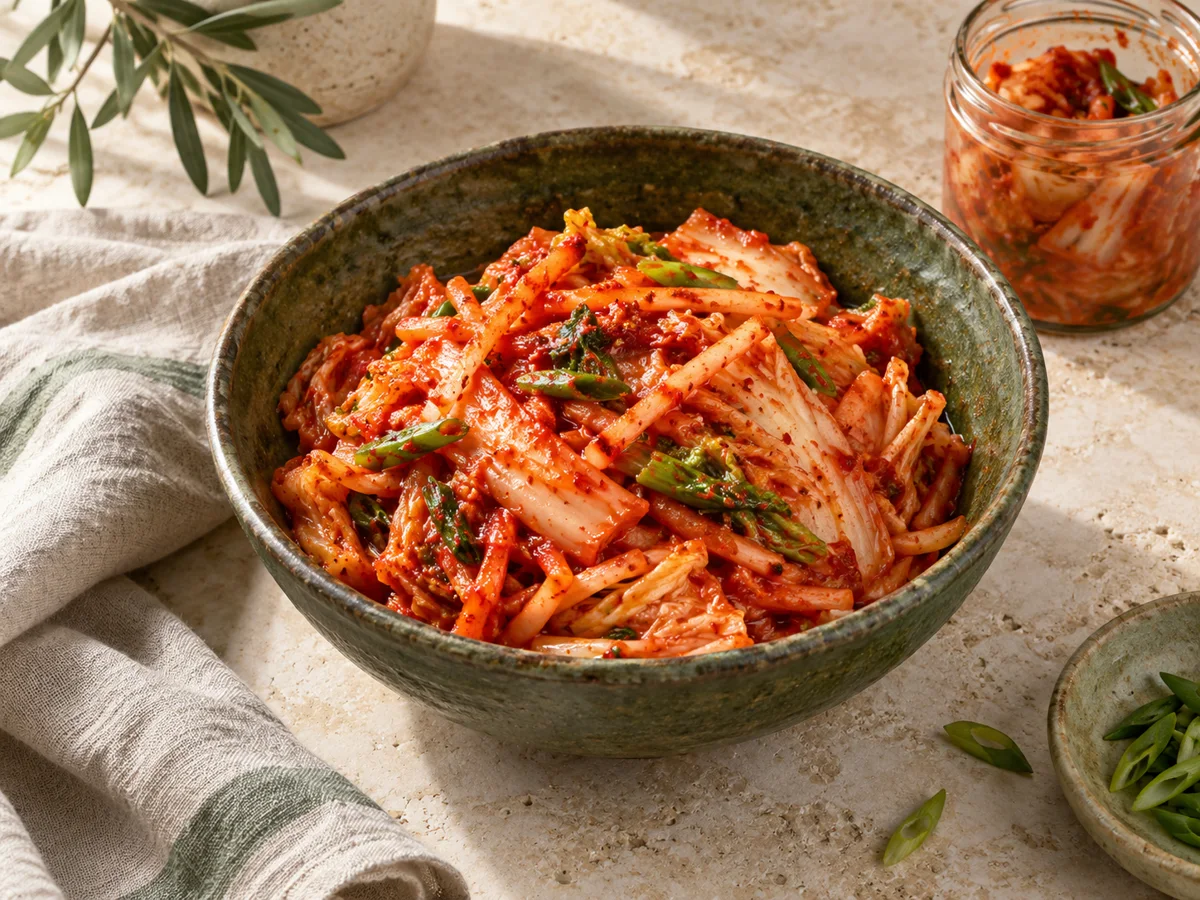
Sue Pressey’s napa cabbage kimchi
Traditional cabbage kimchi (pogi-kimchi) made with napa cabbage quarters, radish, Korean chilli flakes, fish sauce and salted fermented shrimp. From Sue Pressey’s recipe at My Korean Kitchen.
2 hours 30 minutes prep + 6 hours salting (8 hours 30 minutes total), then 24 hours fermenting + 3–4 days chilling for fuller flavour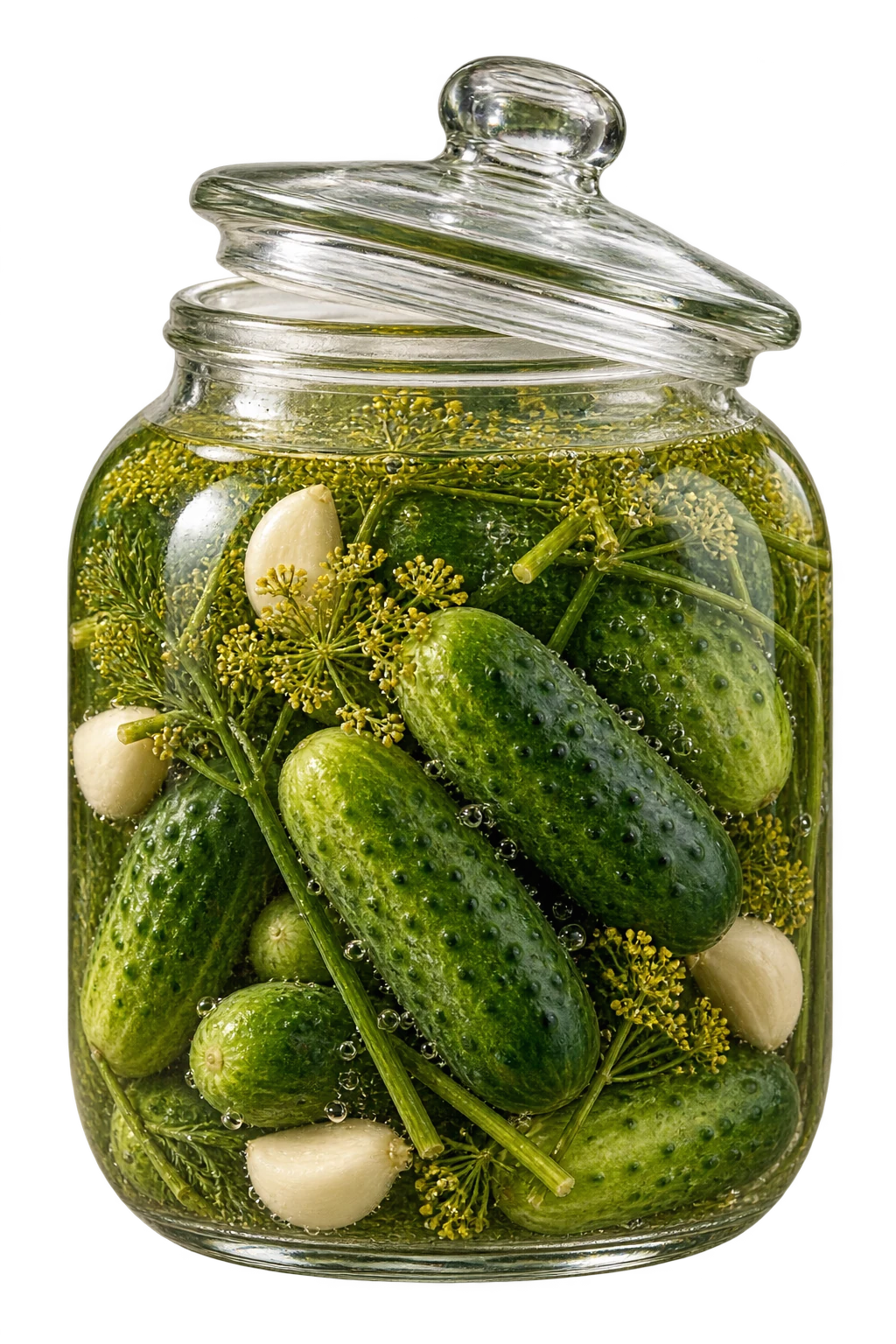 03
Vegetables
Fermented dill pickles
Cucumbers fermented with dill, garlic and horseradish, from Anna’s recipe at AniaGotuje.pl.
30 minutes prep + about 14 days fermenting (up to 20 days)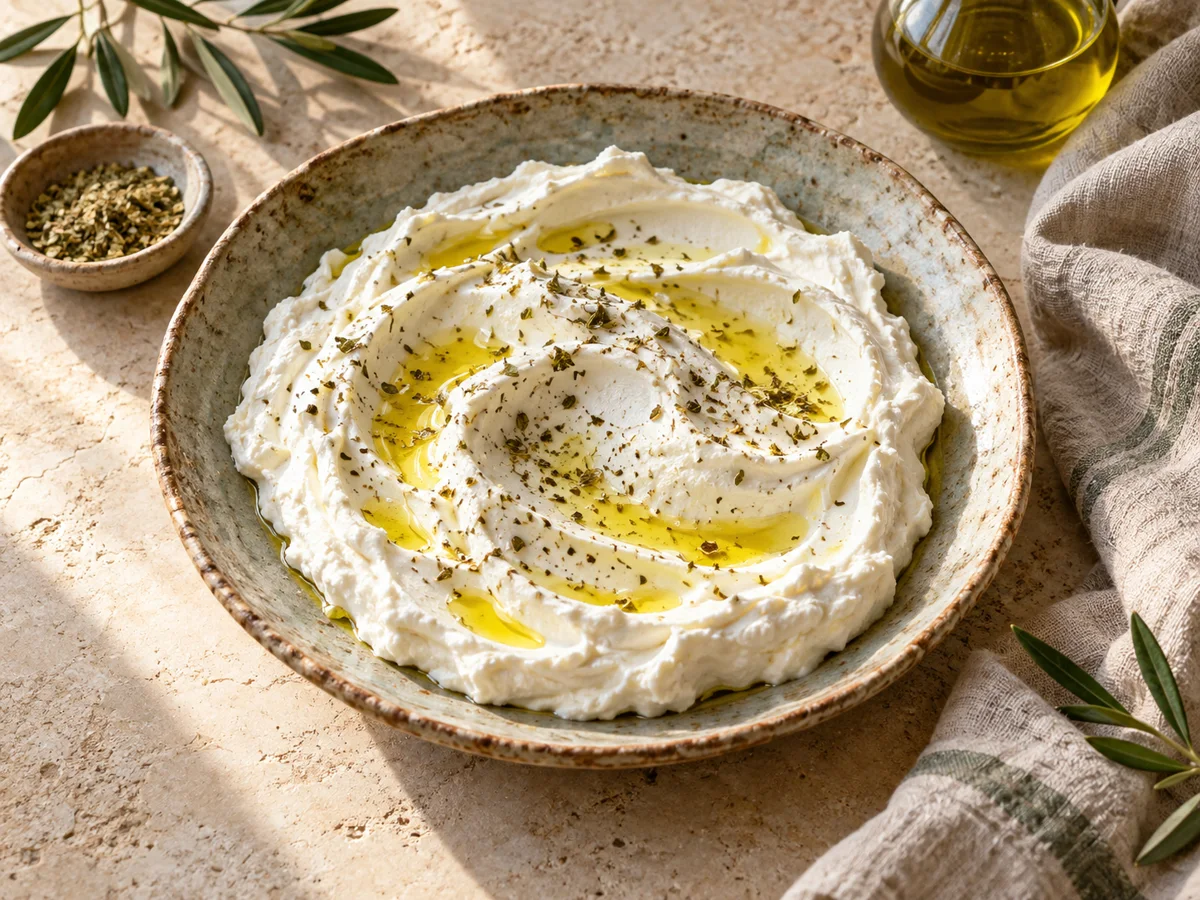 04
Dairy
Labneh — creamy strained yoghurt
Thick, creamy strained yoghurt, from Victoria Prever’s recipe for Good Food. Serve with a drizzle of olive oil and a sprinkling of za’atar.
10 minutes preparation + 12–24 hours straining