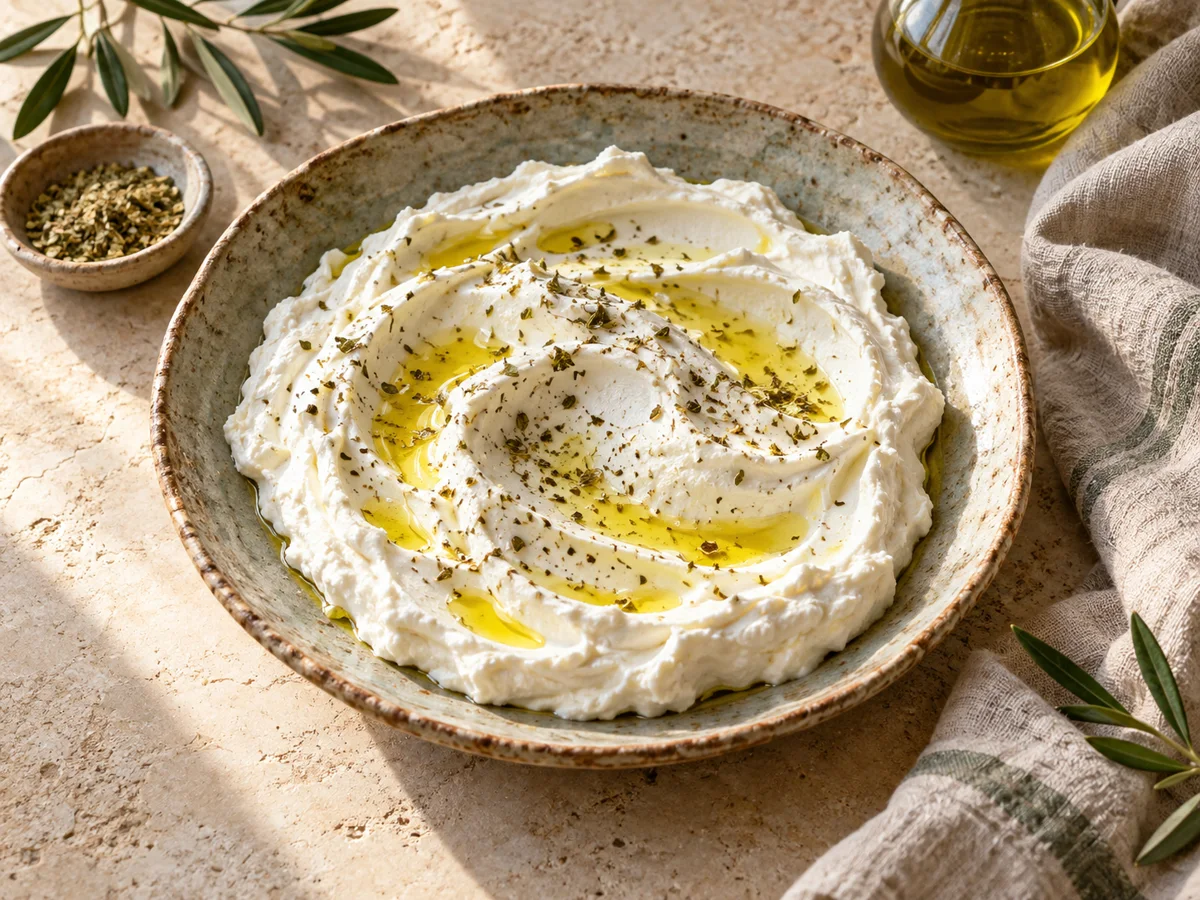
Labneh is made by draining some of the whey from yoghurt. The longer you strain it in the fridge, the thicker it becomes. Full-fat yoghurt makes a mild, creamy spread that can be served with olive oil and za’atar.
Recipes / Dairy
Labneh — creamy strained yoghurt
Thick, creamy strained yoghurt, from Victoria Prever’s recipe for Good Food. Serve with a drizzle of olive oil and a sprinkling of za’atar.
Instructions
Download printable PDFRecipe card to download and print
0 / 3 steps completed
Prepare the yoghurt
Stir the salt into the yoghurt. Line a sieve with muslin and set it over a large bowl or jug. Spoon the yoghurt into the lined sieve.
Strain for 12–24 hours
Gather the cloth edges and tie with kitchen string. Leave the yoghurt in the lined sieve over a bowl and refrigerate for 12–24 hours. Keep the bottom of the sieve clear of the whey collecting below.
Serve
Strain for a shorter time for a soft dip, or longer for firmer labneh. Spoon into a bowl, drizzle with olive oil and sprinkle with za’atar.
Tips
Contains milk. The yoghurt is already fermented; this recipe thickens it by draining off the whey.
Za’atar is a Middle Eastern spice blend that often contains sesame. Check the ingredients of your blend.
Olive oil added for serving does not replace refrigeration.
This card uses refrigerated straining throughout. The original author offers this method in warm weather; the ingredient amounts and straining time stay the same.
Storage
Strain for 12–24 hours in the fridge, in a sieve over a bowl. Keep the finished labneh refrigerated.
How to serve
Serve as a spread for bread or as part of a mezze platter with vegetables.
Recipe sources
This recipe is based on the sources listed above.
What will you make next?
 05
Dairy
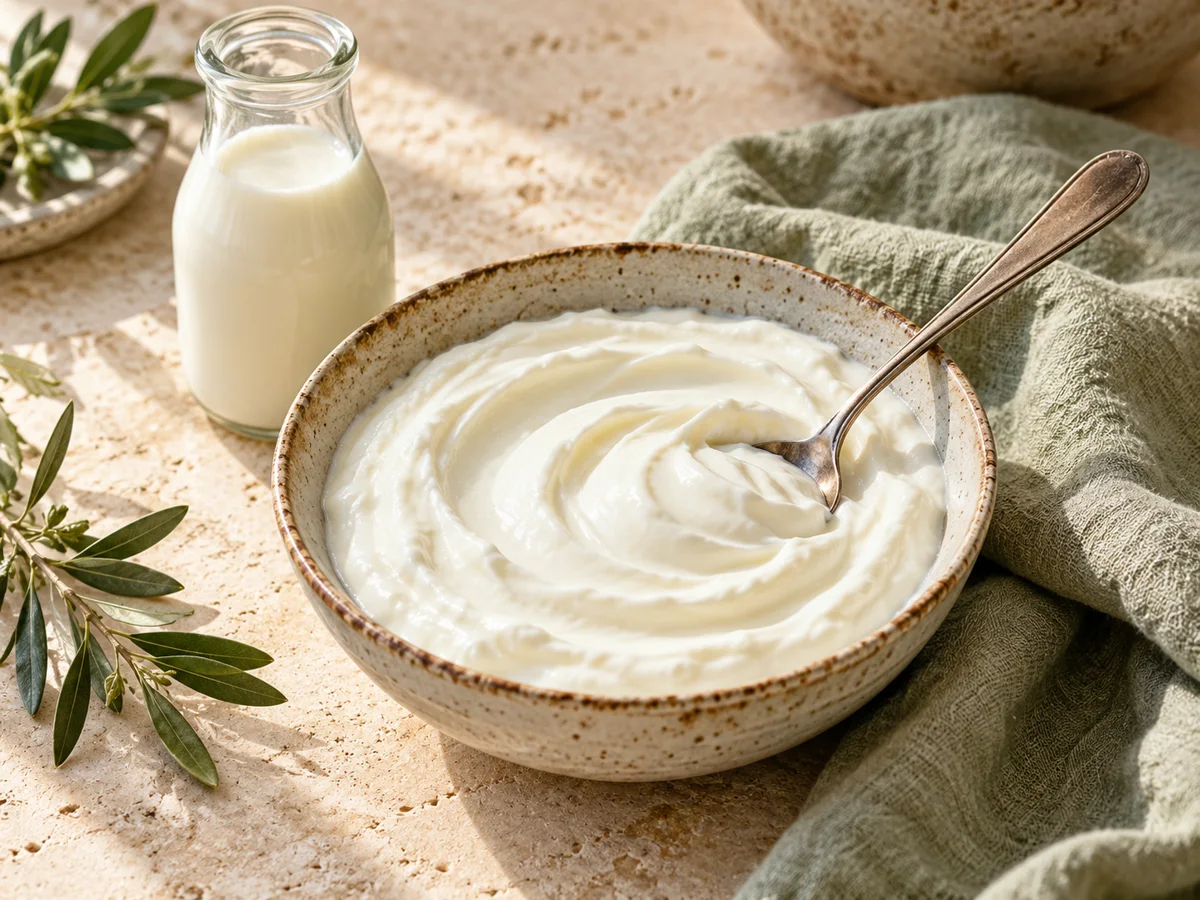
Homemade plain yoghurt
Plain yoghurt made without a yoghurt maker, using RICARDO’s method and an oven with its light switched on.
10 minutes prep + 10 minutes heating + 4–6 hours fermenting + 4 hours chilling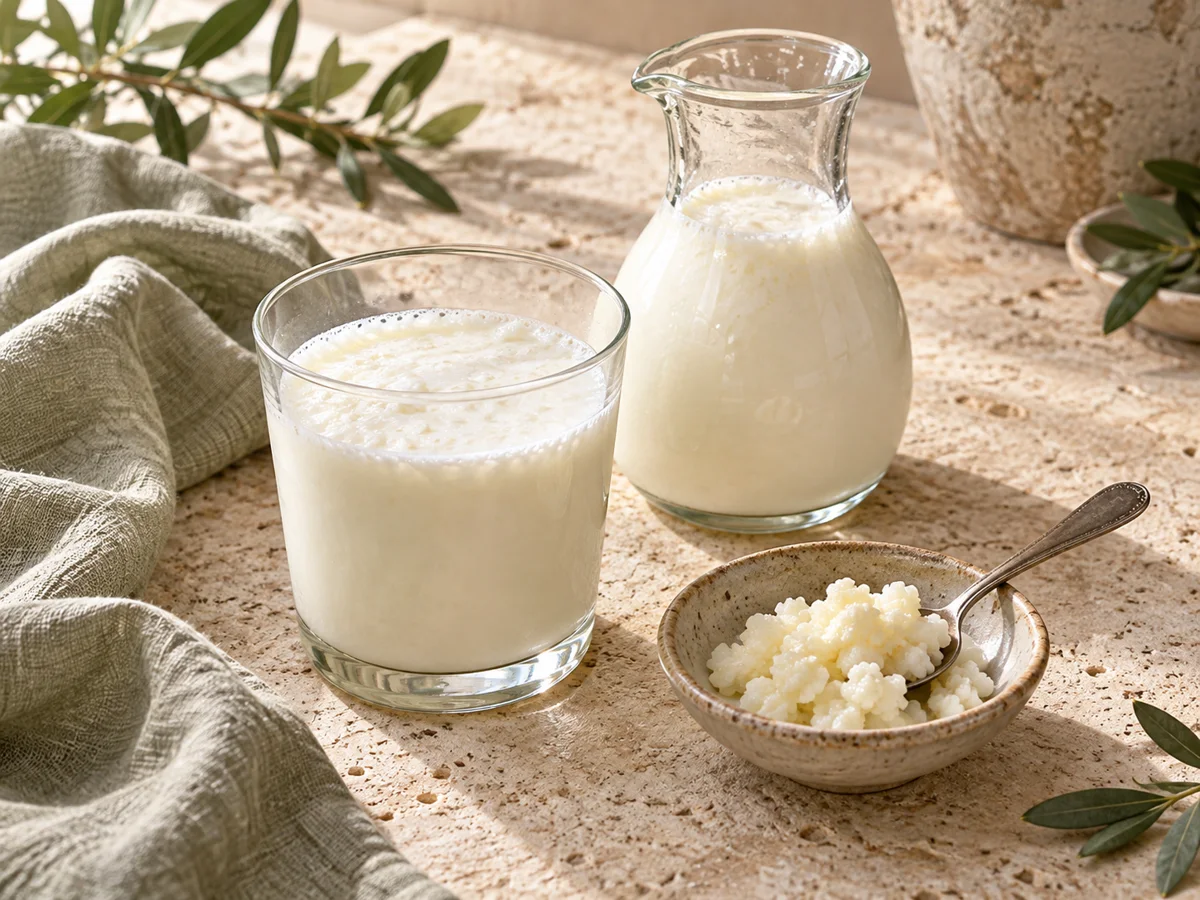 06
Dairy
Homemade milk kefir
Milk kefir made with whole milk and milk kefir grains, following The Gut Stuff’s recipe.
24 hours fermenting, or another 24 hours if needed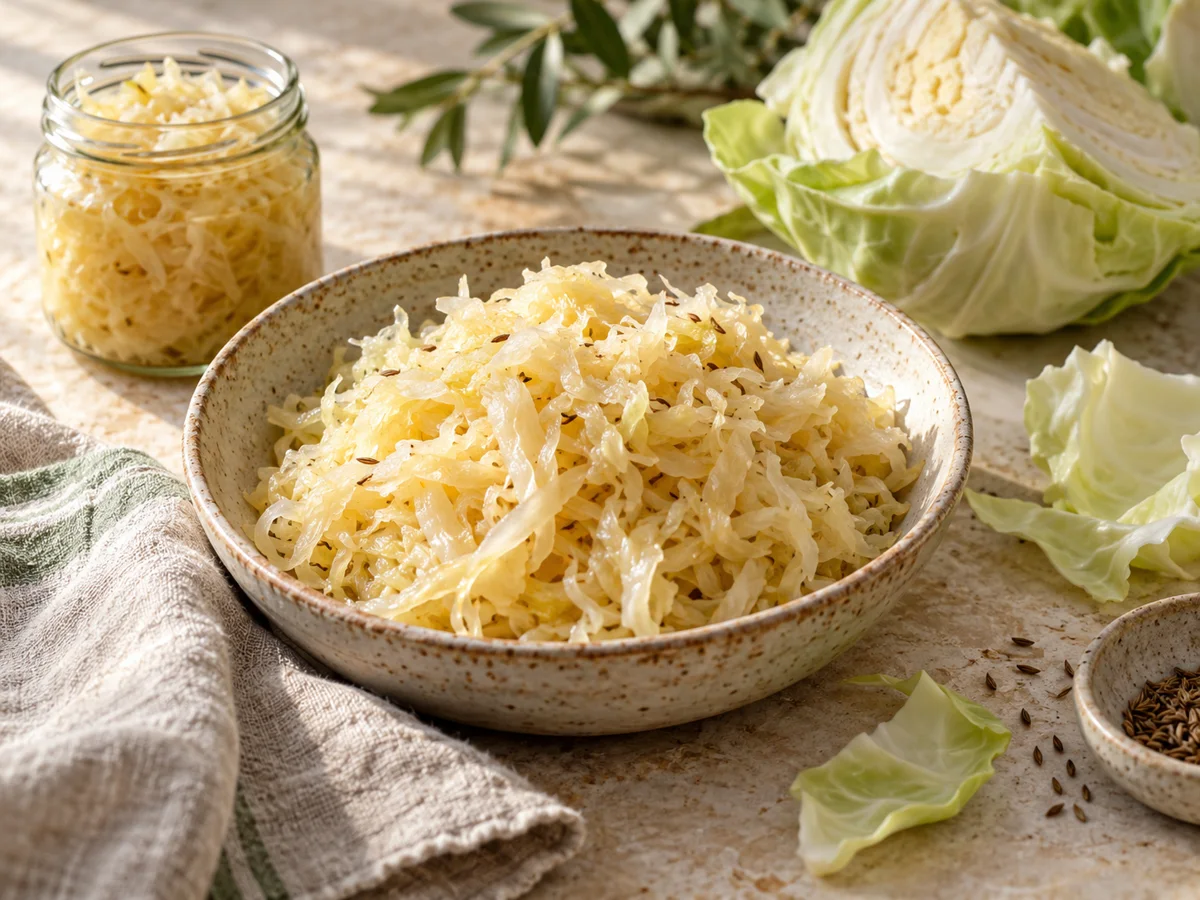 01
Vegetables
Ania’s sauerkraut
Homemade sauerkraut fermented in jars, following Anna’s recipe from AniaGotuje.pl.
30 minutes prep + 7–14 days fermenting