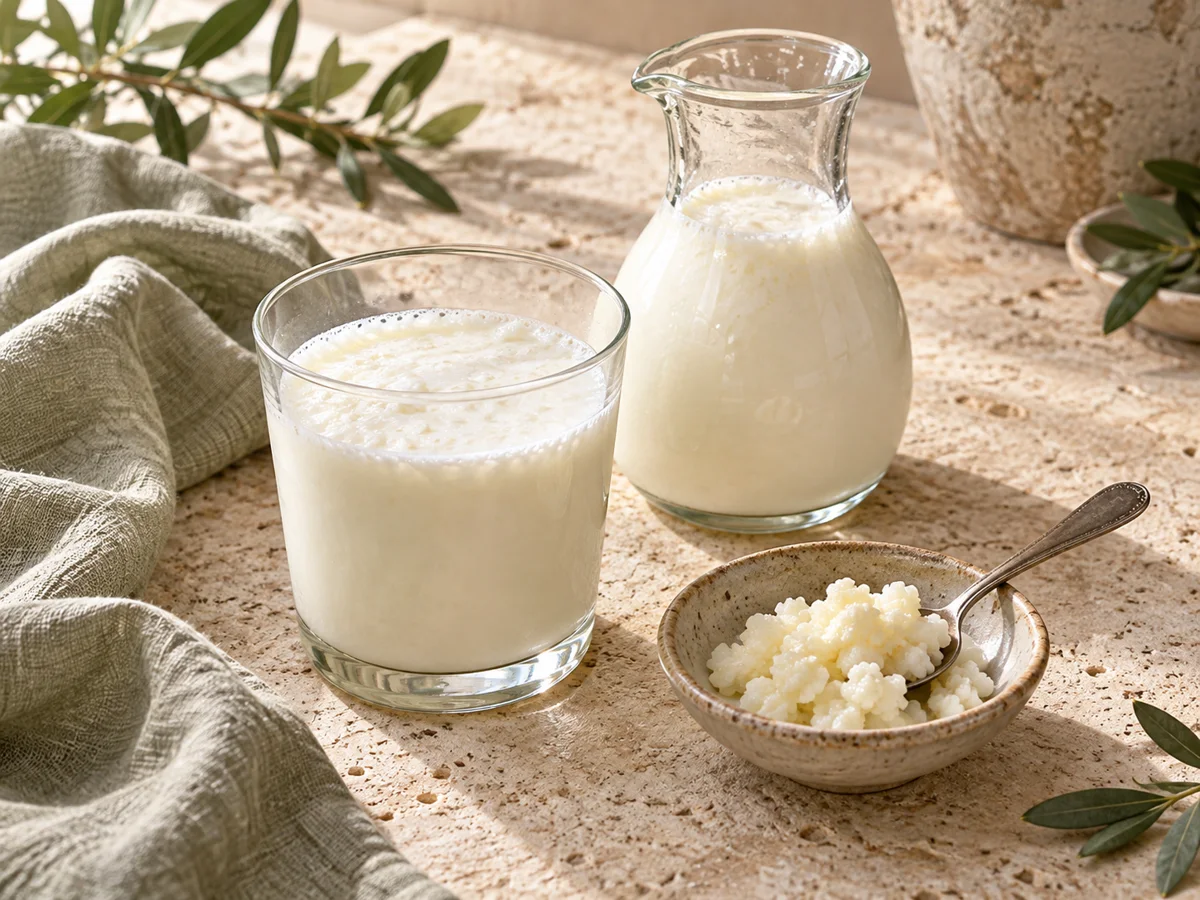
Kefir grains look like tiny cauliflower florets, but they are not seeds. They are structures made of polysaccharides and proteins, inhabited by bacteria and yeasts. Fermentation produces lactic acid and carbon dioxide, so the drink may be slightly fizzy. Once strained out, the grains serve as the starter for the next batch of milk.
Recipes / Dairy
Homemade milk kefir
Milk kefir made with whole milk and milk kefir grains, following The Gut Stuff’s recipe.
Instructions
Download printable PDFRecipe card to download and print
0 / 6 steps completed
Prepare the jar
Wash the jar in hot water with washing-up liquid. Heat in an oven at 100°C for 15–20 minutes, then leave to cool.
Add the grains and milk
Put the kefir grains in the 500 ml jar and pour in the milk. Stir gently with a clean spoon. Cover with muslin or cheesecloth and secure with a rubber band.
Leave to ferment
Leave for 24 hours at room temperature, away from direct sunlight.
Check the kefir
Stir after 24 hours. The kefir is ready when it has thickened and tastes pleasantly tangy. If it is not ready, cover again and leave for another 24 hours.
Strain and chill
Strain through a sieve over a bowl to separate the kefir grains. Pour the kefir into a bottle with a lid. Use immediately, or refrigerate for up to a week.
Keep the grains
Keep the grains and the 500 ml jar for the next batch.
Tips
Contains milk. Milk kefir grains and water kefir grains are not interchangeable.
If the milk has not fermented after 48 hours, The Gut Stuff recommends straining out the grains and starting again with fresh milk.
Storage
After straining, transfer to a bottle with a lid. Refrigerate for up to one week.
How to serve
Drink chilled or add to a smoothie just before serving.
What will you make next?
 04
Dairy
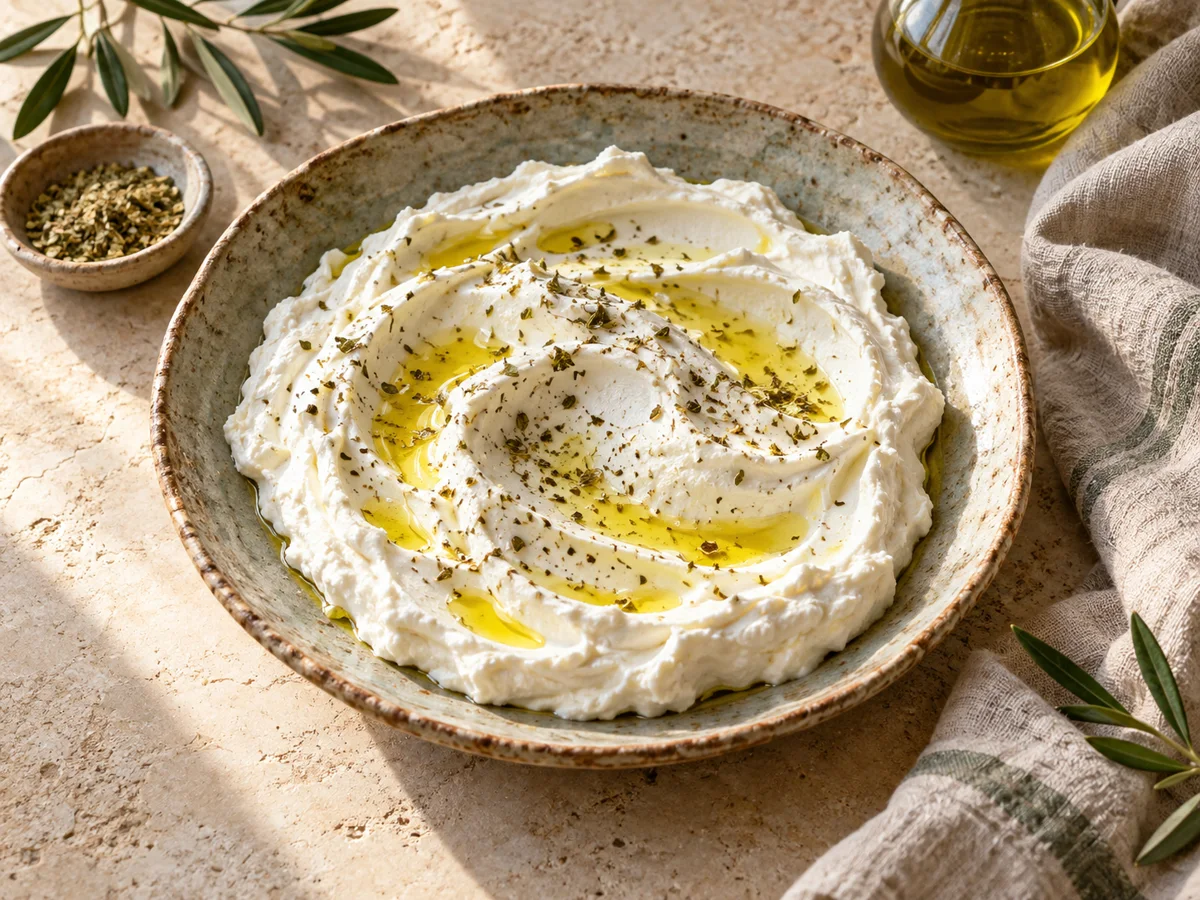
Labneh — creamy strained yoghurt
Thick, creamy strained yoghurt, from Victoria Prever’s recipe for Good Food. Serve with a drizzle of olive oil and a sprinkling of za’atar.
10 minutes preparation + 12–24 hours straining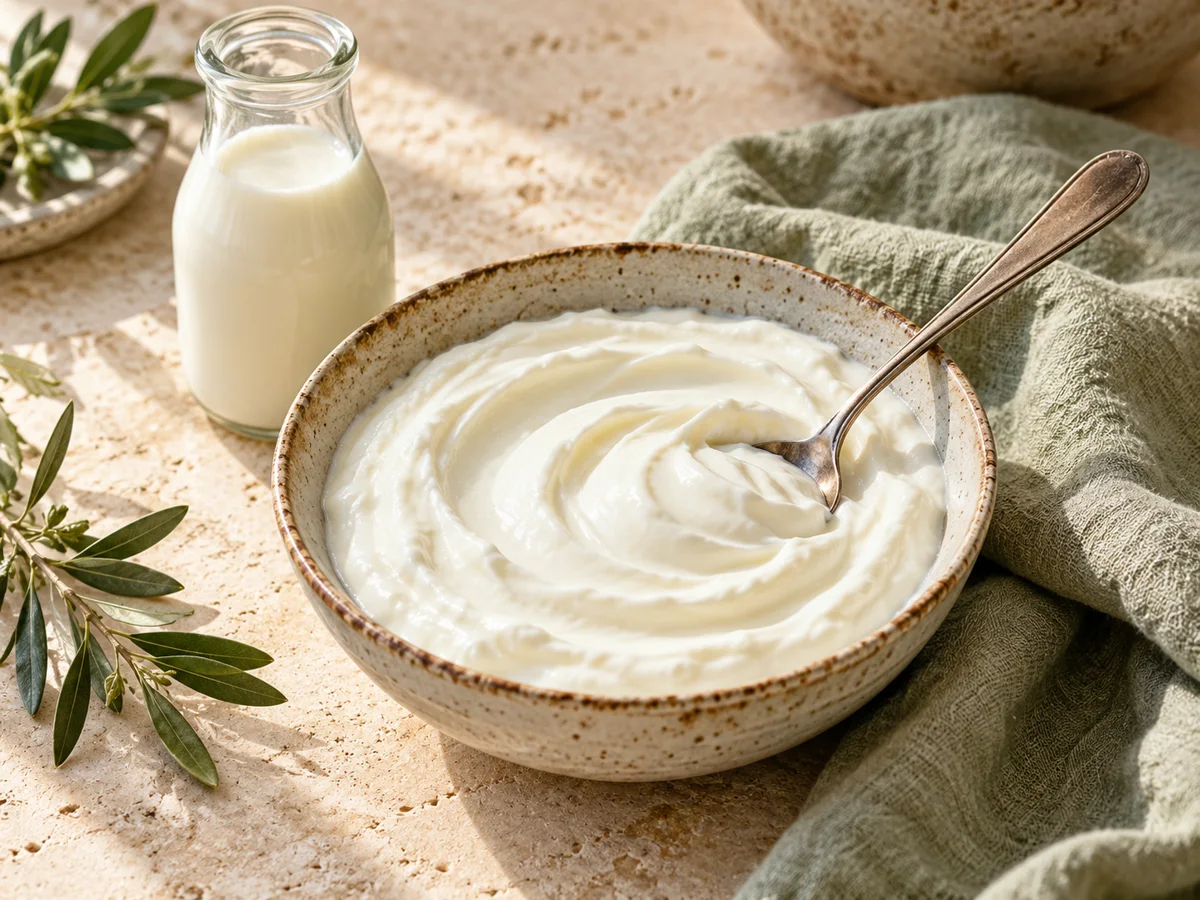 05
Dairy
Homemade plain yoghurt
Plain yoghurt made without a yoghurt maker, using RICARDO’s method and an oven with its light switched on.
10 minutes prep + 10 minutes heating + 4–6 hours fermenting + 4 hours chilling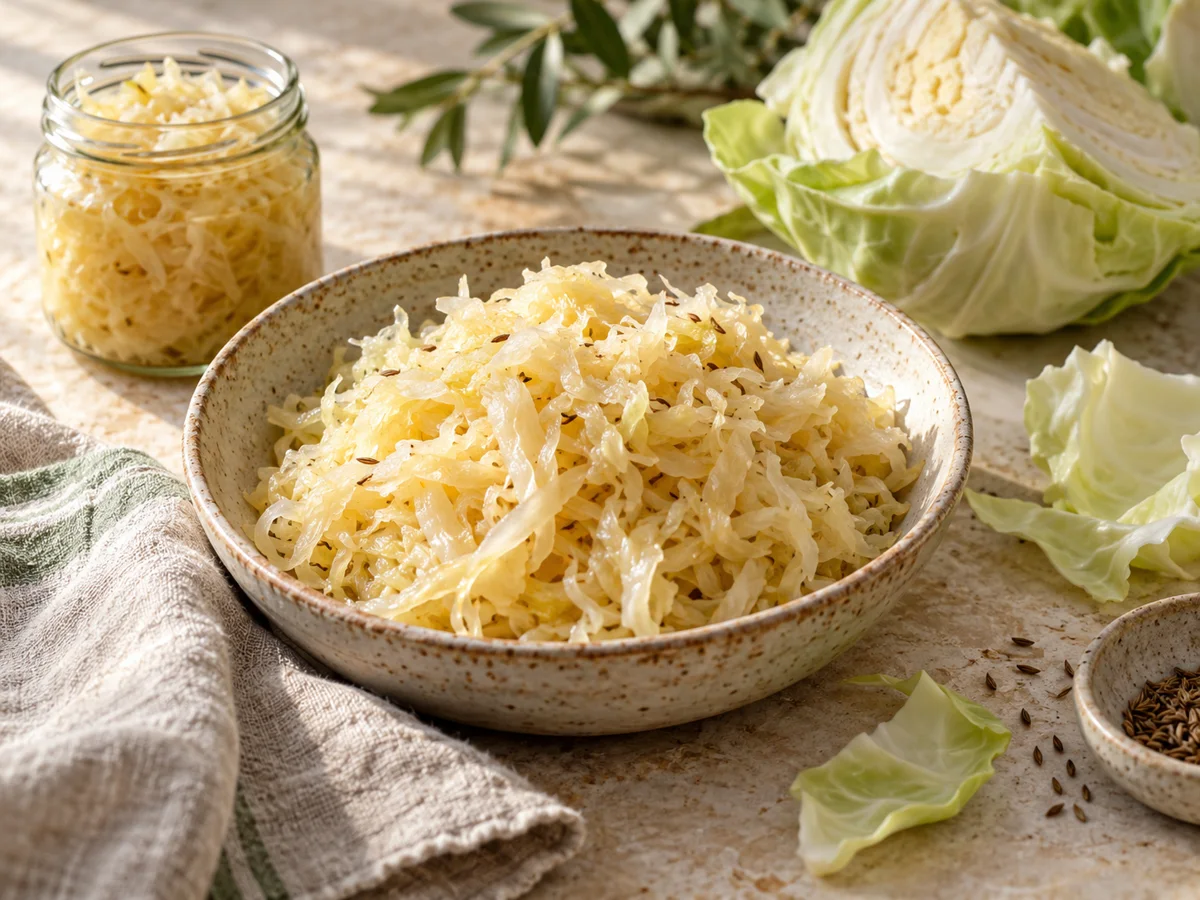 01
Vegetables
Ania’s sauerkraut
Homemade sauerkraut fermented in jars, following Anna’s recipe from AniaGotuje.pl.
30 minutes prep + 7–14 days fermenting