Plain yoghurt starts with milk and a starter culture. The classic pair is Streptococcus thermophilus and Lactobacillus delbrueckii subsp. bulgaricus. Together they produce lactic acid, changing the milk’s flavour and texture. The controlled warmth in this recipe supports the microorganisms as they work.
Recipes / Dairy
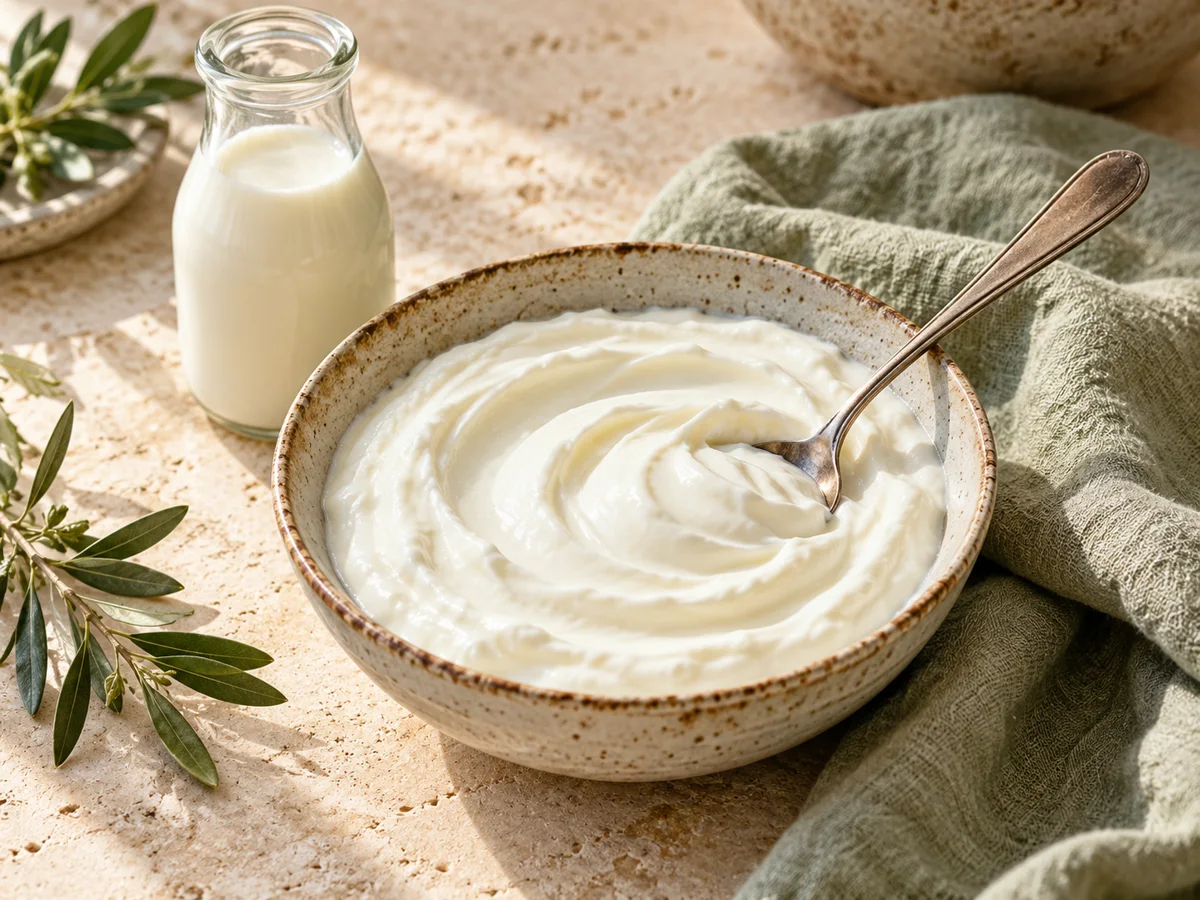
Homemade plain yoghurt
Plain yoghurt made without a yoghurt maker, using RICARDO’s method and an oven with its light switched on.
Instructions
Download printable PDFRecipe card to download and print
0 / 4 steps completed
Heat the milk
Mix the milk and milk powder in a saucepan. Heat gently over a medium heat, stirring, until it reaches 85°C, then remove from the heat.
Add the yoghurt
Allow to cool to 45°C, then stir in the yoghurt. Pour into clean, warm jars and cover.
Leave to set
Stand the jars in a baking dish and pour hot, but not boiling, water into the dish. Put in the oven with the light switched on. Maintain about 45°C during incubation and check with a thermometer; the light alone does not guarantee this temperature. Leave for about 4–6 hours, until the yoghurt has set.
Chill
Remove the jars from the oven and water bath. Dry the outside of each jar with a clean tea towel, then refrigerate for 4 hours.
Tips
Contains milk. Check that the starter yoghurt contains live cultures. Yoghurt heat-treated after fermentation will not work as a starter for another batch.
Use clean, sanitised equipment. Discard a batch that has not thickened properly, has mould or develops an unusual smell.
Milk powder increases the milk solids and helps make firmer yoghurt.
RICARDO describes fermentation at about 45°C. Monitoring the temperature during incubation is additional University of Alaska Fairbanks guidance.
Storage
Chill for 4 hours after fermentation. Keep the finished yoghurt refrigerated for up to 2 weeks.
How to serve
Serve plain, or add fruit and cereal just before eating.
Recipe sources
- RICARDO · RICARDO Media
- University of Alaska Fairbanks · Making Yogurt at Home — hygiene and fermentation control
This recipe is based on the sources listed above.
What will you make next?
 04
Dairy
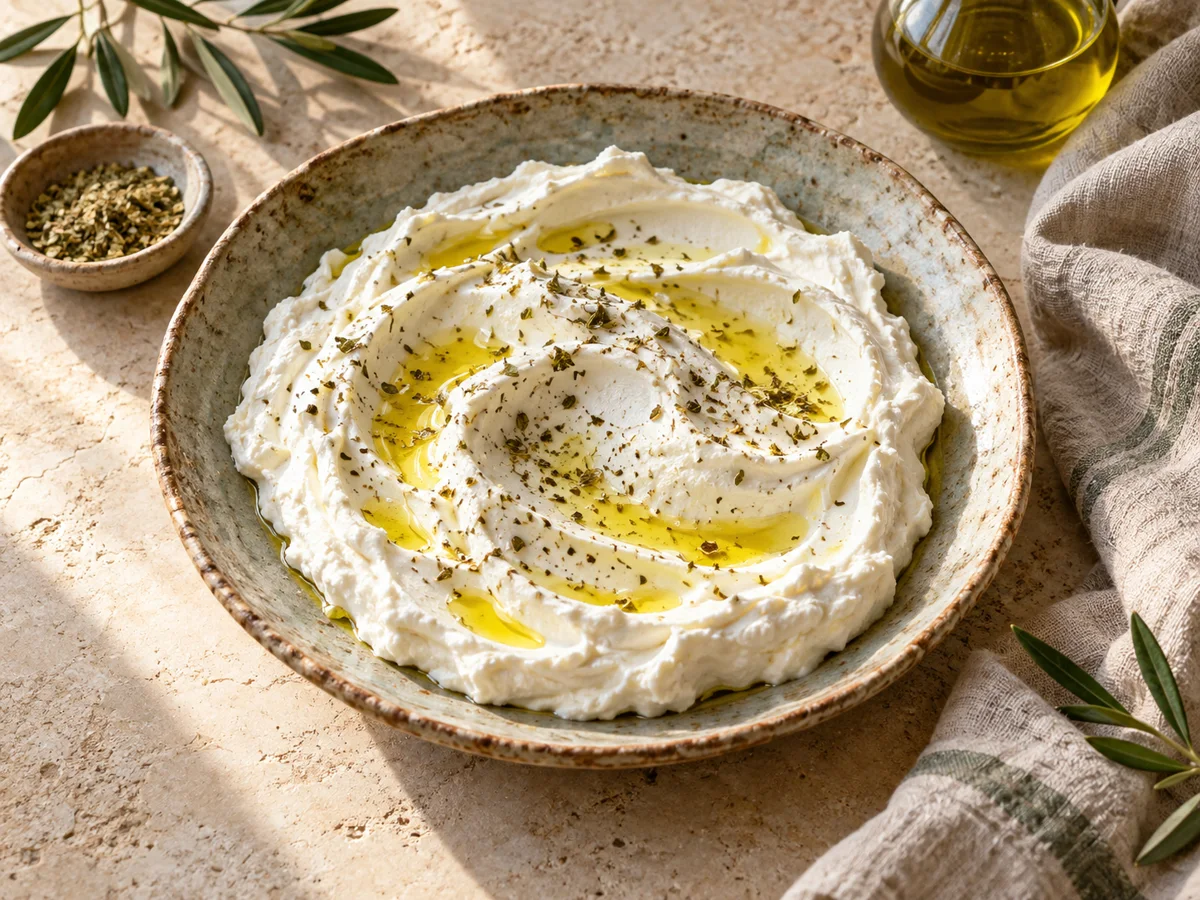
Labneh — creamy strained yoghurt
Thick, creamy strained yoghurt, from Victoria Prever’s recipe for Good Food. Serve with a drizzle of olive oil and a sprinkling of za’atar.
10 minutes preparation + 12–24 hours straining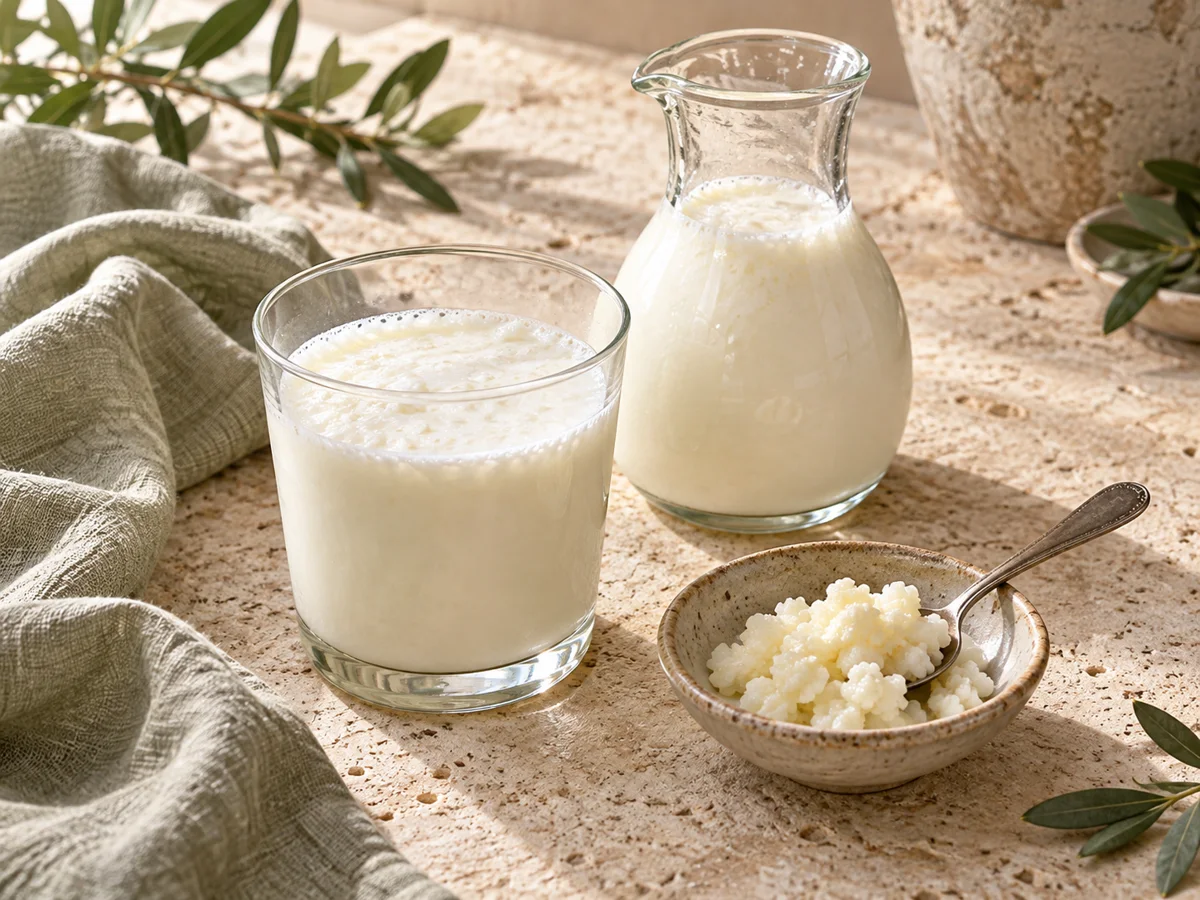 06
Dairy
Homemade milk kefir
Milk kefir made with whole milk and milk kefir grains, following The Gut Stuff’s recipe.
24 hours fermenting, or another 24 hours if needed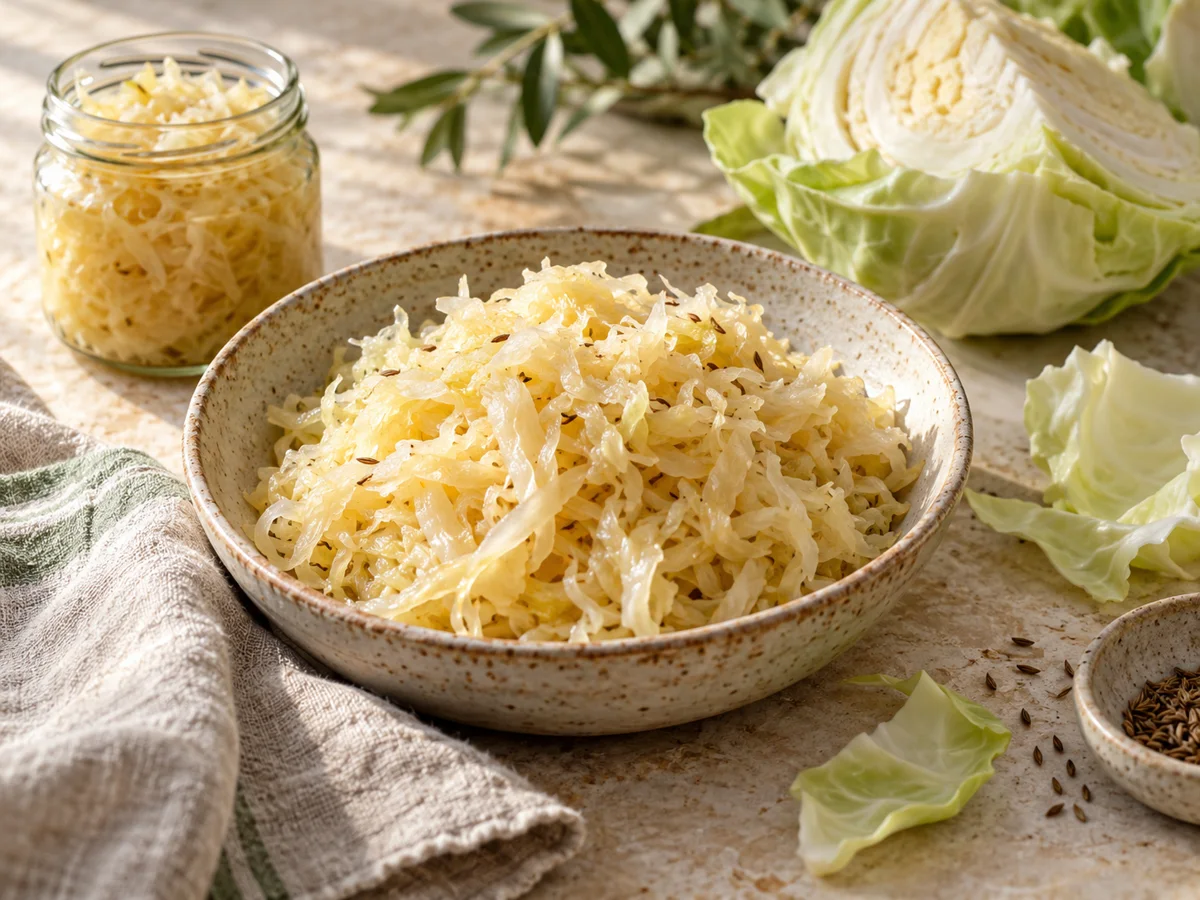 01
Vegetables
Ania’s sauerkraut
Homemade sauerkraut fermented in jars, following Anna’s recipe from AniaGotuje.pl.
30 minutes prep + 7–14 days fermenting