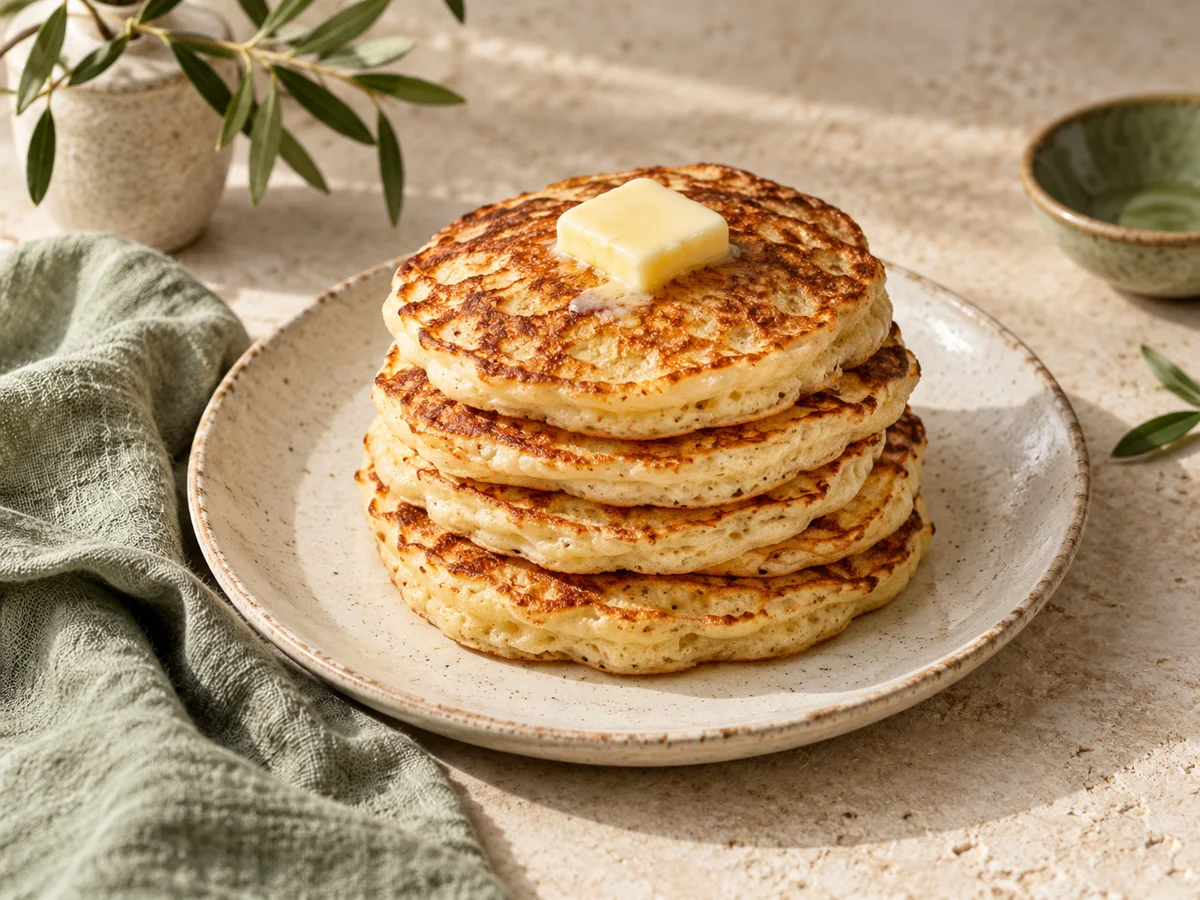
The overnight mixture of starter, flour and buttermilk develops flavour before it reaches the pan. Baking soda added in the morning helps aerate the acidic batter, creating more bubbles. Fermentation and baking soda work together to make pancakes that are both lightly tangy and fluffy.
Recipes / Sourdough & baking
Sourdough buttermilk pancakes
Fluffy buttermilk pancakes made with sourdough discard, from PJ Hamel’s recipe. Mix the sponge the night before, then finish the batter in the morning.
Instructions
Download printable PDFRecipe card to download and print
0 / 4 steps completed
Mix the overnight sponge
Mix the starter, buttermilk, flour and sugar in a large bowl. Cover and leave for about 12 hours, or overnight, at cool room temperature, about 18–21°C (65–70°F).
Finish the batter
Beat the eggs with the oil or melted butter. Stir into the sponge just until combined. Add the bicarbonate of soda and salt and stir again. The batter will expand and may start to bubble.
Cook the pancakes
Heat and lightly grease a frying pan or griddle. Add batter in portions of about 59 ml (¼ US cup). When bubbles appear and pop on the surface, turn the pancakes and cook the other side until golden.
Serve
Serve straight away with your favourite toppings, or keep in a warm oven until needed.
Tips
Melted butter can replace the oil in the amount listed in the ingredients.
Storage
Refrigerate leftover pancakes for 1–2 days. Freeze for longer storage.
How to serve
Serve hot with your favourite toppings.
Recipe sources
This recipe is based on the sources listed above.
What will you make next?
 08
Sourdough & baking
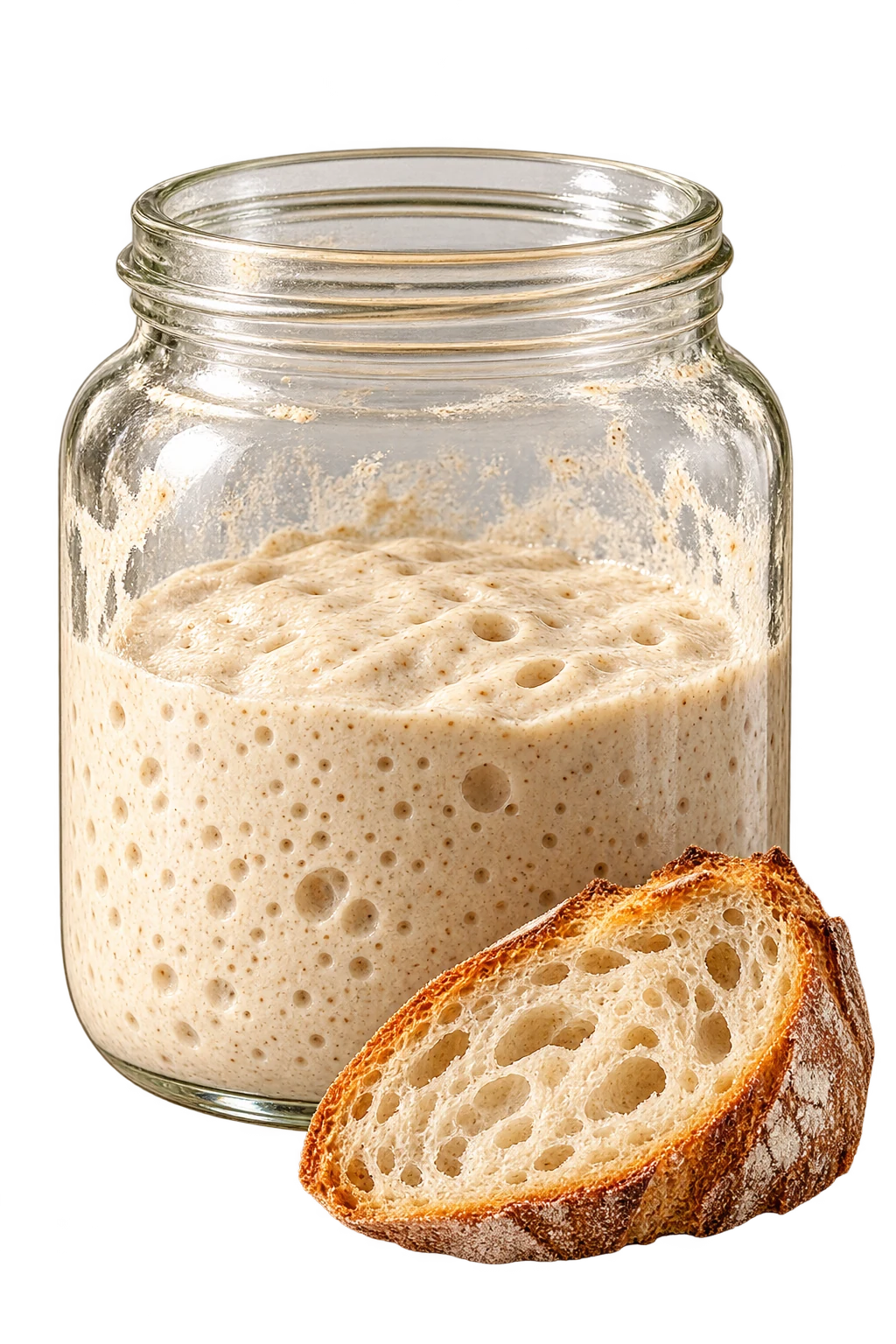
Wheat sourdough starter
Start a sourdough culture with flour and water using King Arthur Baking’s method. Consistent rising after feeding is the best sign that it is ready to use.
5 days and 50 minutes; allow longer if needed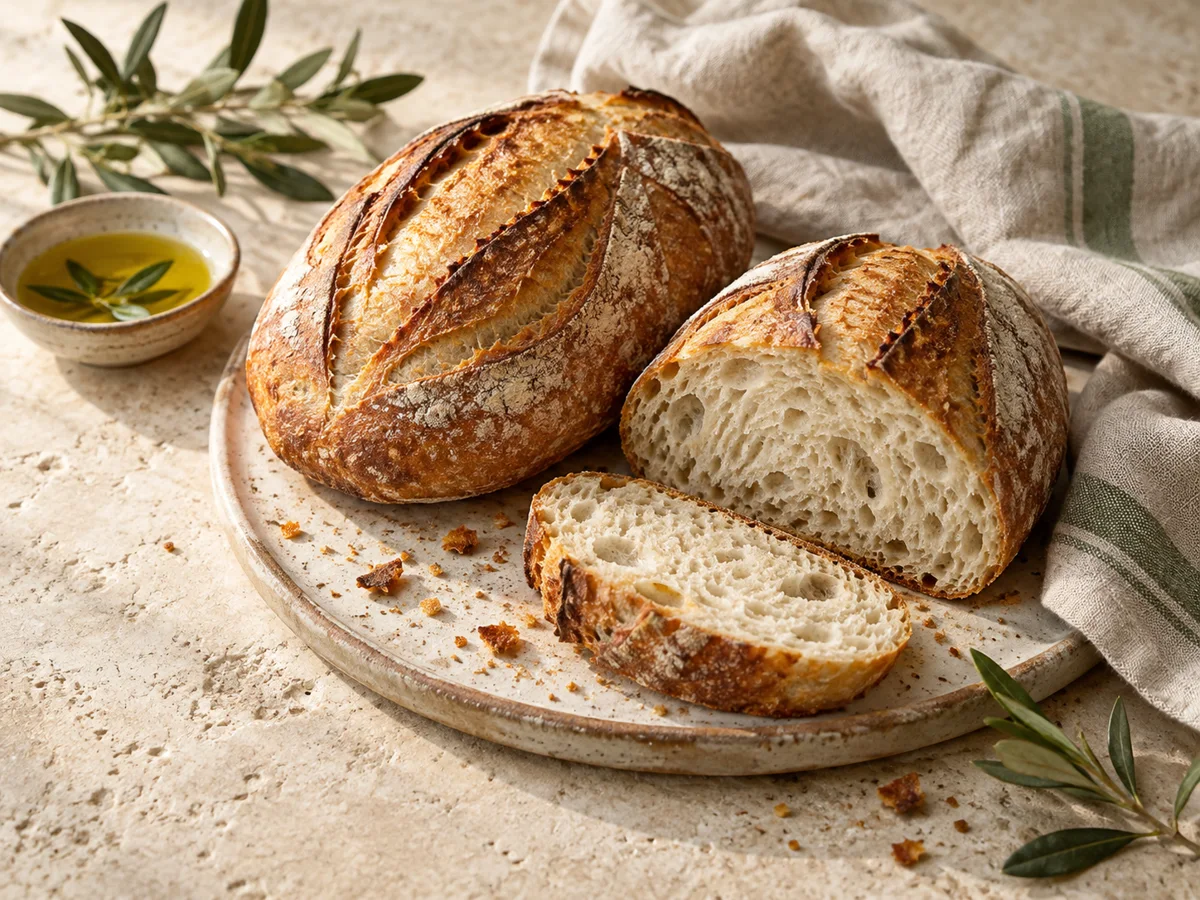 09
Sourdough & baking
Rustic sourdough bread with instant yeast
Two oblong loaves from PJ Hamel’s recipe. Active sourdough starter adds flavour, and a little instant yeast helps the dough rise.
3 hours and 7 minutes total, including 25–30 minutes baking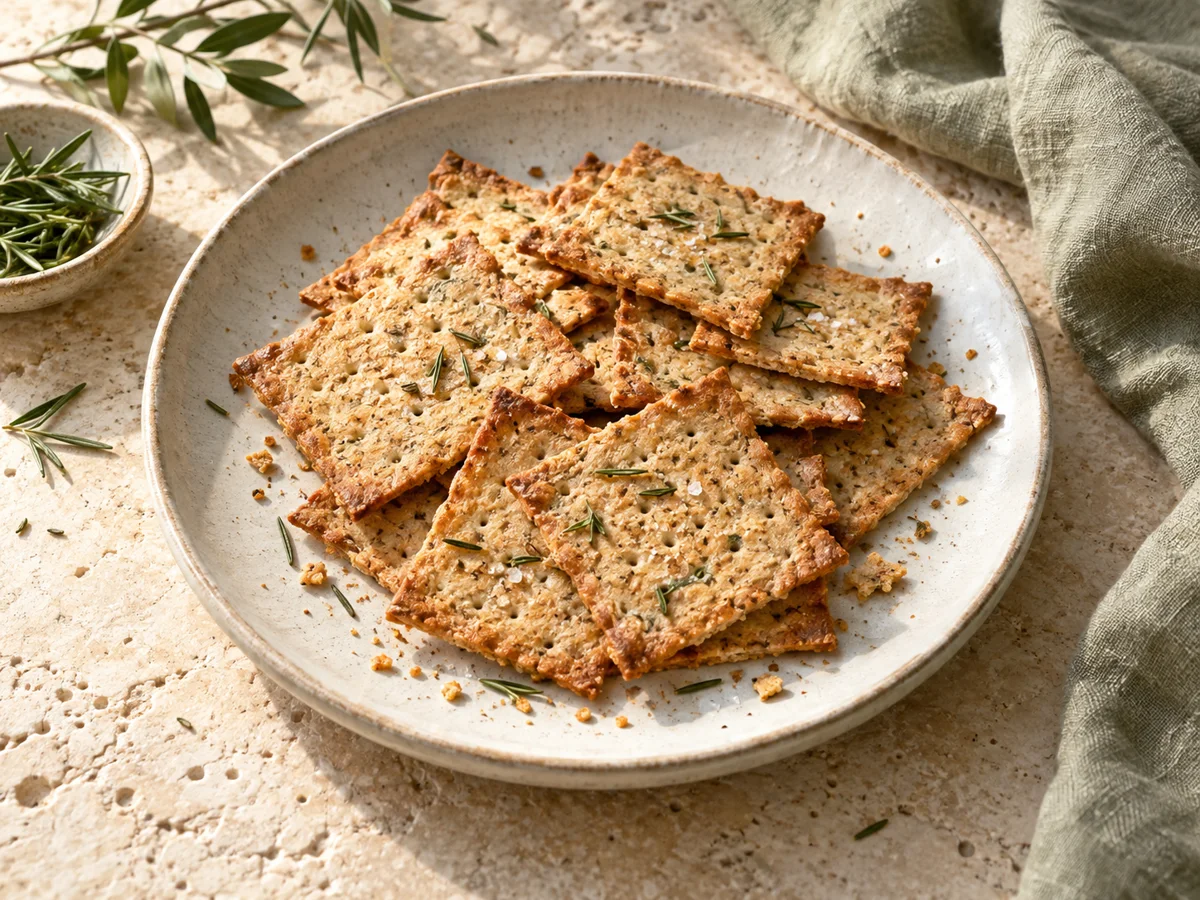 10
Sourdough & baking
Sourdough crackers with dried herbs
Thin, crisp crackers made with sourdough discard, from CarolAnn Leventhal’s recipe. The dough does not need to rise.
1 hour and 25 minutes total, including 20–25 minutes baking