In this bread, the starter adds aroma and mild acidity, while instant yeast helps the dough rise. Fermentation produces the gas that lifts the dough. The recipe combines two ways of working with yeast; watching the dough’s volume helps you judge readiness more accurately than the clock alone.
Recipes / Sourdough & baking
Rustic sourdough bread with instant yeast
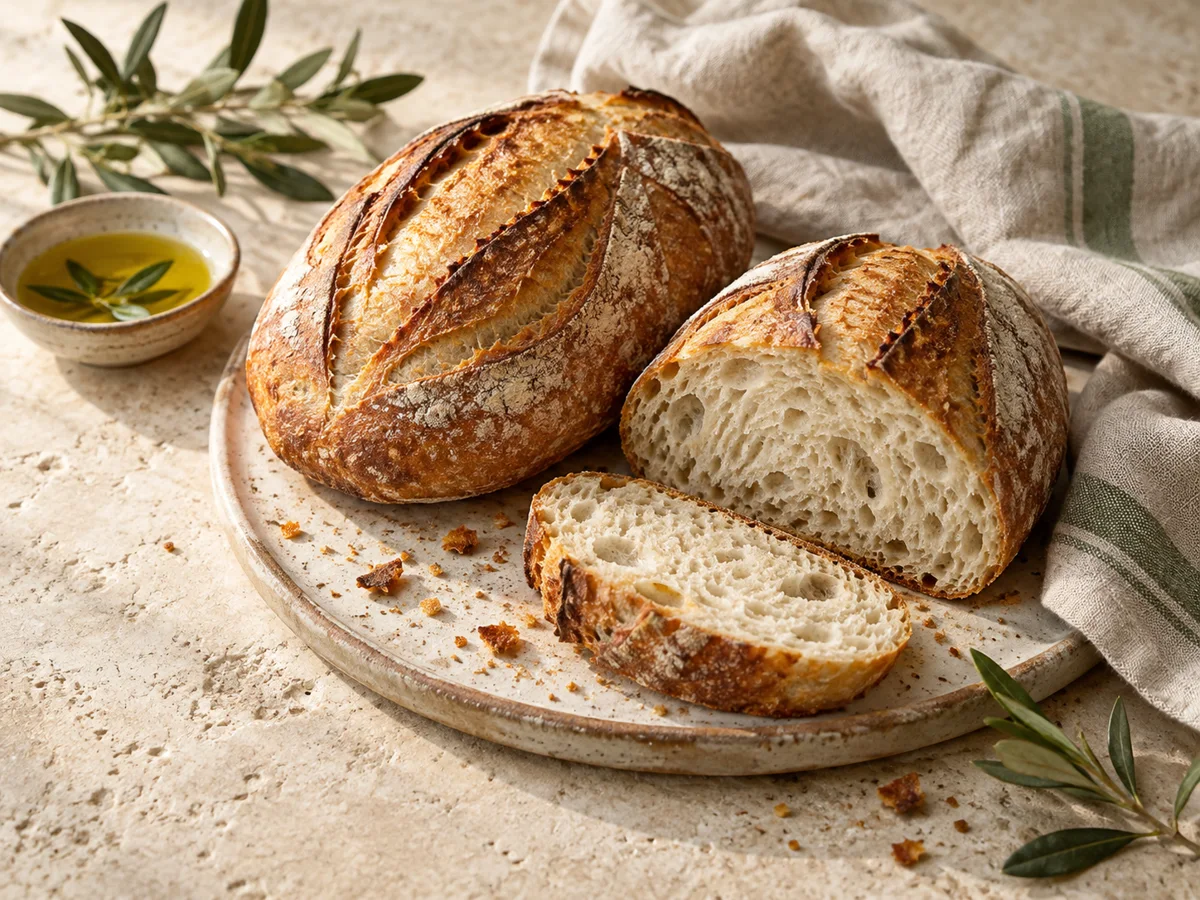
Two oblong loaves from PJ Hamel’s recipe. Active sourdough starter adds flavour, and a little instant yeast helps the dough rise.
Instructions
Download printable PDFRecipe card to download and print
0 / 5 steps completed
Make the dough
Combine all the ingredients and knead until smooth.
First rise
Put the dough in a lightly greased bowl, cover and leave for about 1½ hours, until doubled in size.
Shape the loaves
Turn onto a lightly floured surface and divide in half. Fold the edges of each piece into the centre, turn seam-side down and shape into a ball. Cover and rest for 15 minutes. Roll on an unfloured surface to make thick oval loaves; for longer loaves, roll to about 25–28 cm (10–11 inches).
Second rise
Place on a greased or parchment-lined baking tray. Cover and leave for about 1 hour, until very puffy. Towards the end of this rise, preheat the oven to about 220°C (425°F).
Score and bake
Spray the loaves with lukewarm water and dust with flour. Make two fairly deep diagonal slashes in each. Bake for 25–30 minutes, until deep golden brown, then cool on a rack.
Tips
Use 1 teaspoon yeast with a healthy, active starter; the rise may take longer. Use 2 teaspoons with a less active starter or for a quicker rise.
Storage
Keep the loaves loosely wrapped at room temperature for several days. Freeze for longer storage.
How to serve
Cool the loaves on a rack before slicing.
Recipe sources
This recipe is based on the sources listed above.
What will you make next?
 08
Sourdough & baking
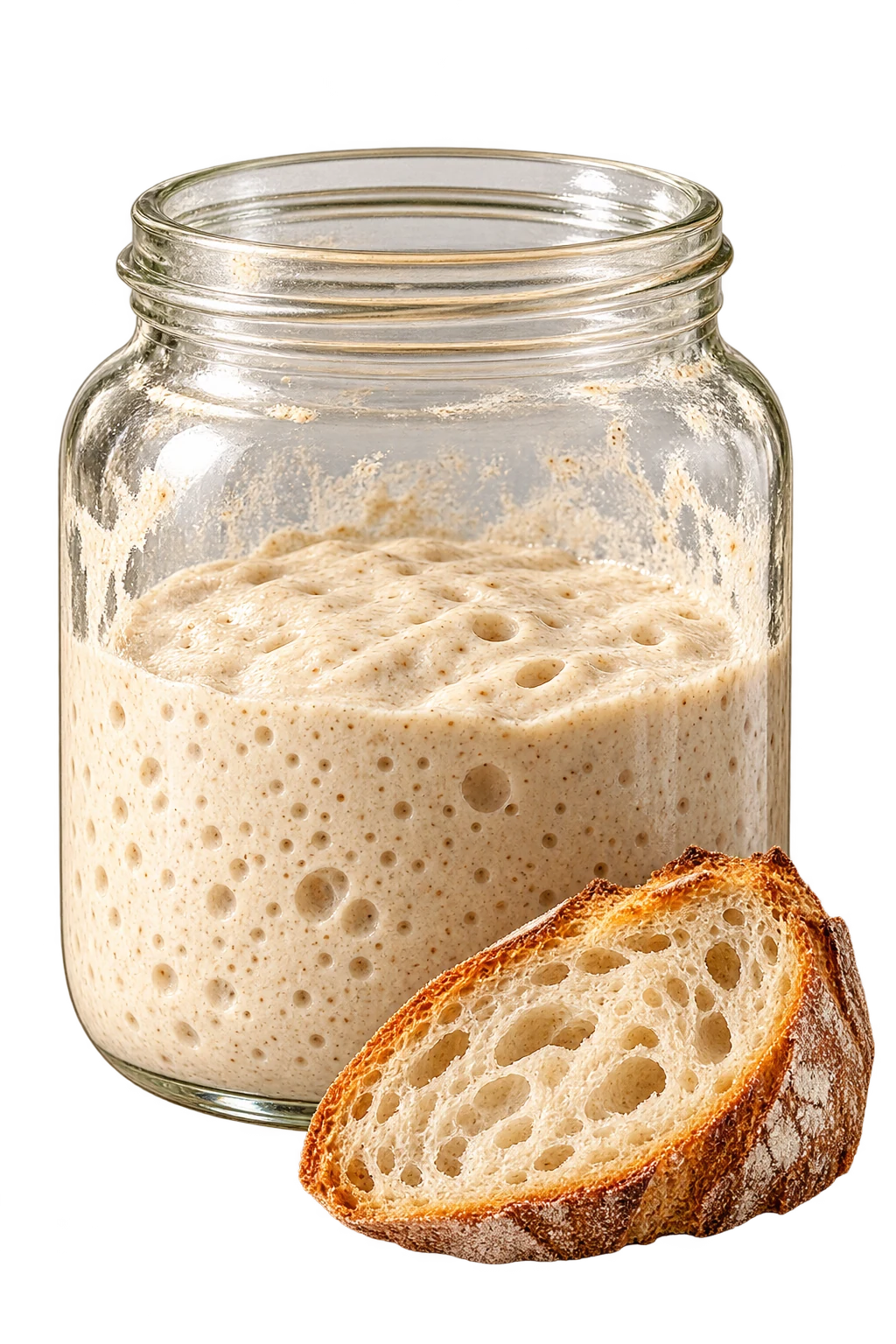
Wheat sourdough starter
Start a sourdough culture with flour and water using King Arthur Baking’s method. Consistent rising after feeding is the best sign that it is ready to use.
5 days and 50 minutes; allow longer if needed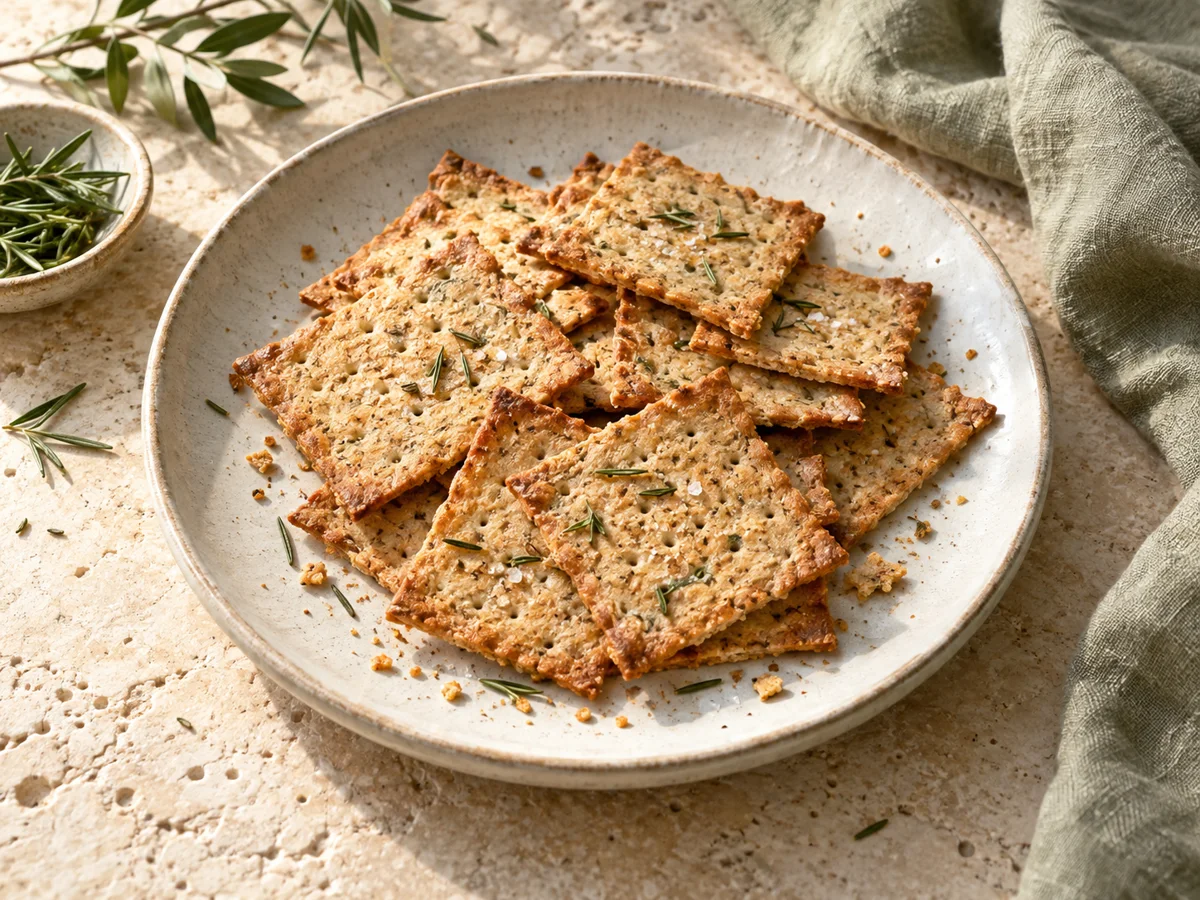 10
Sourdough & baking
Sourdough crackers with dried herbs
Thin, crisp crackers made with sourdough discard, from CarolAnn Leventhal’s recipe. The dough does not need to rise.
1 hour and 25 minutes total, including 20–25 minutes baking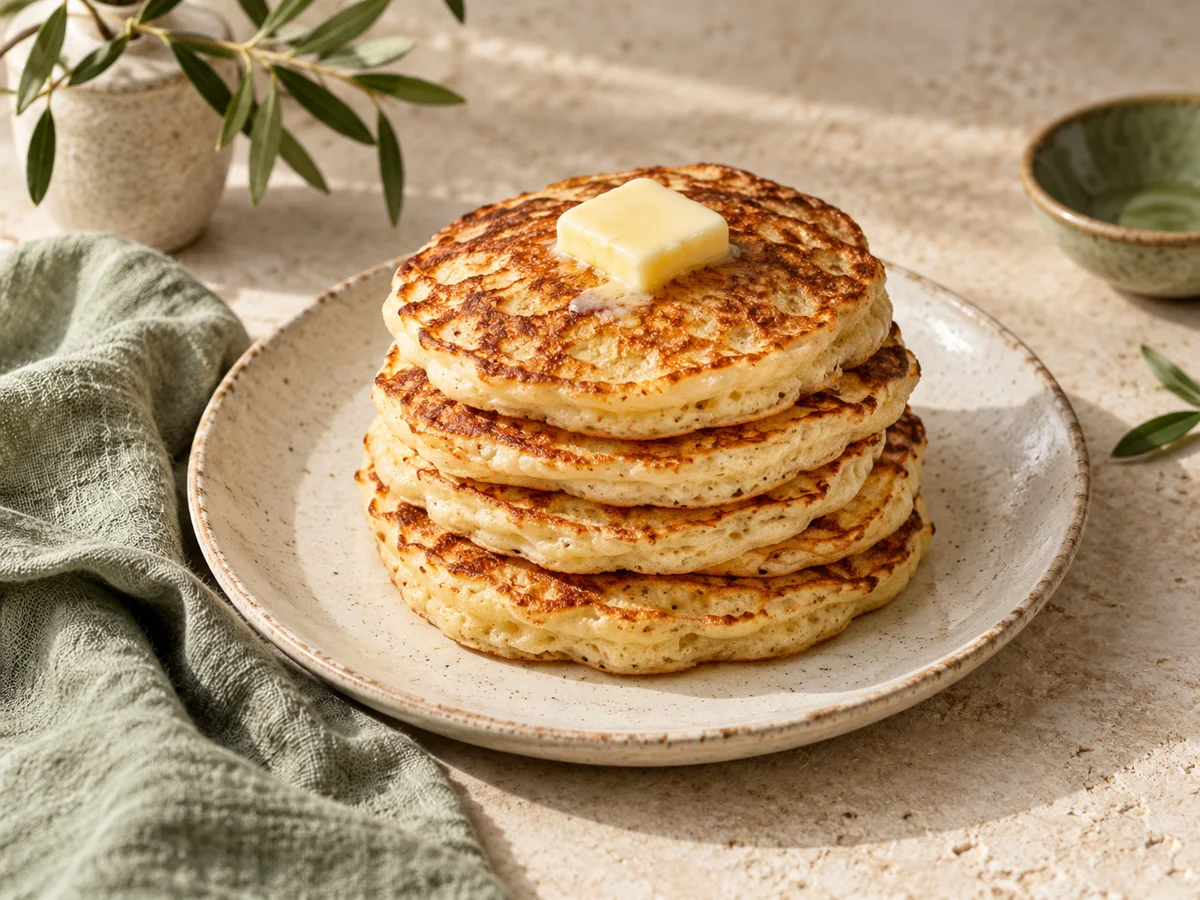 11
Sourdough & baking
Sourdough buttermilk pancakes
Fluffy buttermilk pancakes made with sourdough discard, from PJ Hamel’s recipe. Mix the sponge the night before, then finish the batter in the morning.
12 hours and 42 minutes total, including 42 minutes prep and cooking