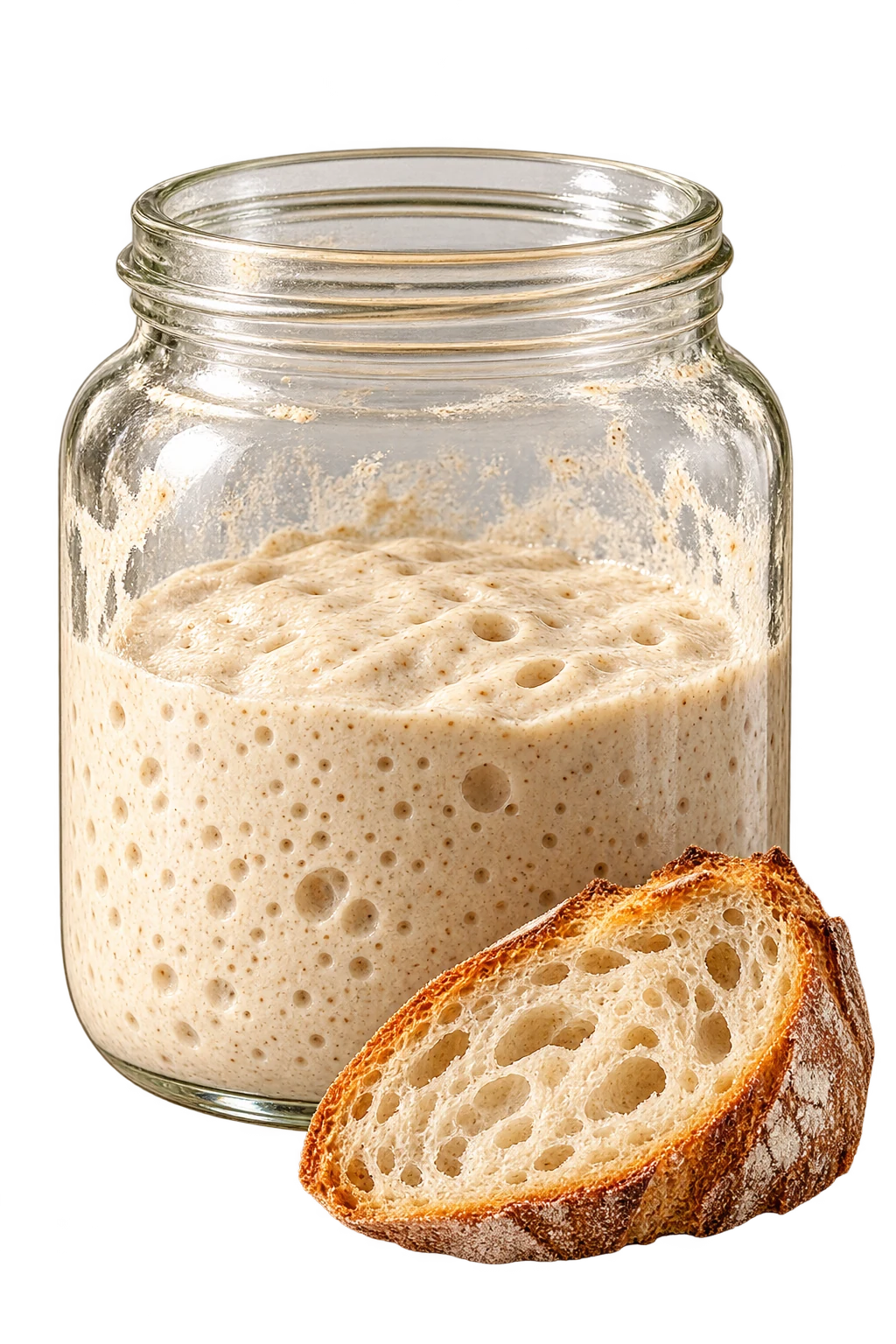
A wheat sourdough starter is a fermenting mixture of flour and water. Yeasts and bacteria form its microbiome, producing gas and compounds that contribute to its aroma. Regular feeding provides fresh flour. In this recipe, we look for a rise in volume after feeding, rather than just a few bubbles.
Recipes / Sourdough & baking
Wheat sourdough starter
Start a sourdough culture with flour and water using King Arthur Baking’s method. Consistent rising after feeding is the best sign that it is ready to use.
Instructions
Download printable PDFRecipe card to download and print
0 / 4 steps completed
Day 1: mix
Mix the whole wheat flour and water thoroughly. Cover loosely and leave for 24 hours in a warm spot, at about 21°C (70°F).
Day 2: feed
Keep 50 g starter and discard the rest. Mix in 50 g water and 50 g all-purpose flour. Cover and leave for 24 hours.
Days 3–5: feed twice daily
Feed roughly every 12 hours. At each feed, retain 50 g starter, discard the rest and mix in 50 g water and 50 g all-purpose flour. Cover again.
Check it is ready
The starter should at least double within 6–8 hours of feeding, be full of bubbles and smell pleasantly tangy. If it does not, continue feeding every 12 hours on day 6, day 7 and beyond as needed.
Tips
Use cool water in a warm home and lukewarm water in a cool home.
The first batch can also be made with 50 g whole grain rye flour.
The author updated this recipe in February 2026; it now starts with 50 g flour and 50 g water.
Storage
Once it reliably doubles after feeding, follow King Arthur Baking’s maintenance guide: feed daily at room temperature or weekly when kept in the fridge.
How to serve
Use for baking once it reliably doubles after feeding.
Recipe sources
- King Arthur Test Kitchen · Sourdough Starter
- King Arthur Test Kitchen · Feeding and Maintaining Your Sourdough Starter
This recipe is based on the sources listed above.
What will you make next?
 09
Sourdough & baking
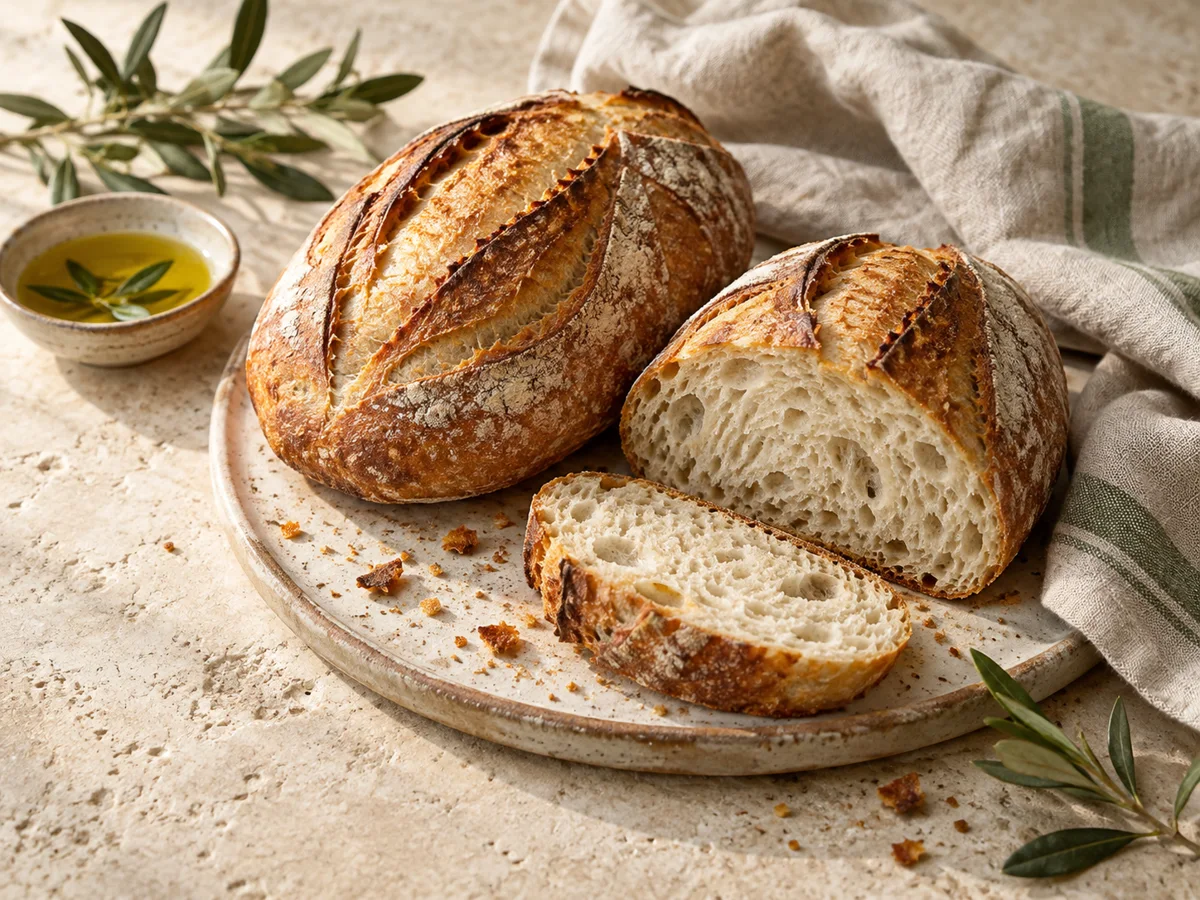
Rustic sourdough bread with instant yeast
Two oblong loaves from PJ Hamel’s recipe. Active sourdough starter adds flavour, and a little instant yeast helps the dough rise.
3 hours and 7 minutes total, including 25–30 minutes baking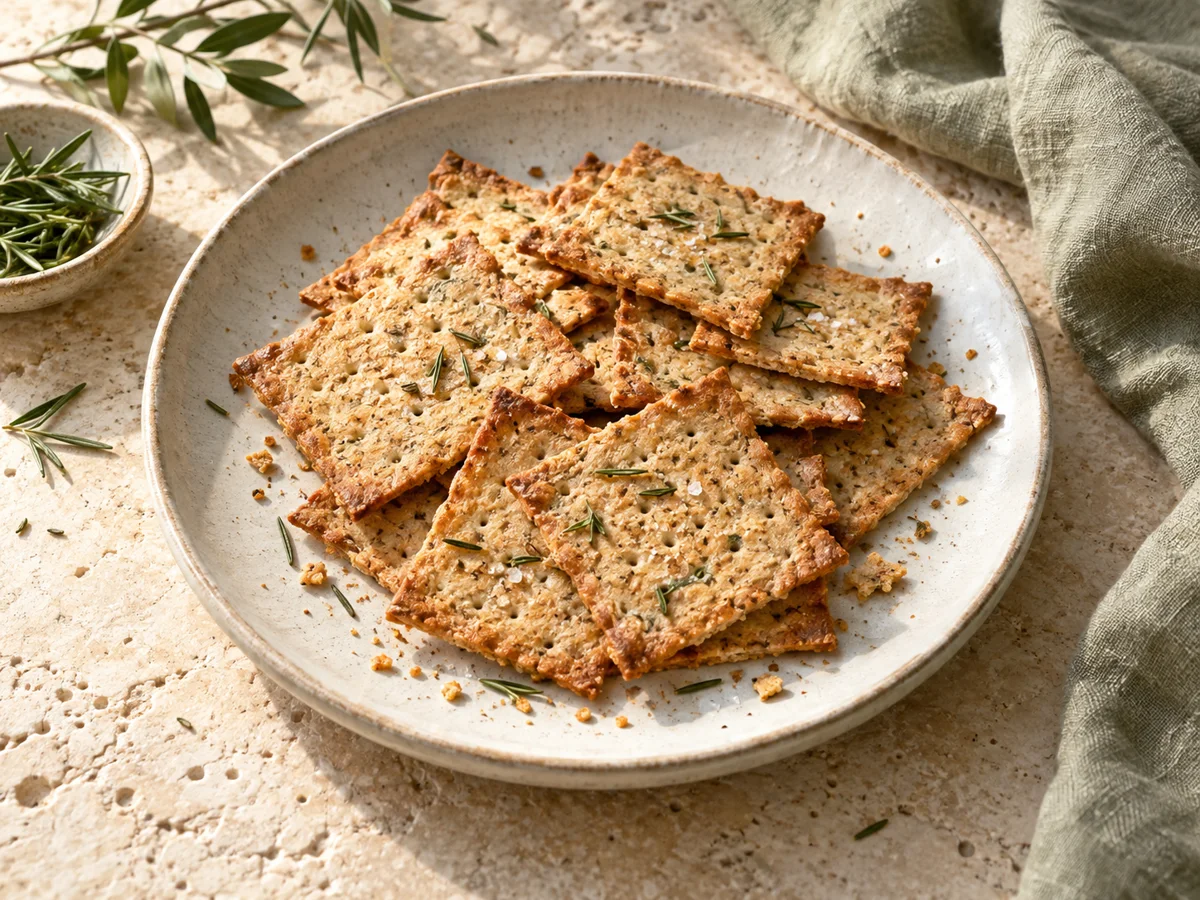 10
Sourdough & baking
Sourdough crackers with dried herbs
Thin, crisp crackers made with sourdough discard, from CarolAnn Leventhal’s recipe. The dough does not need to rise.
1 hour and 25 minutes total, including 20–25 minutes baking 11
Sourdough & baking
Sourdough buttermilk pancakes
Fluffy buttermilk pancakes made with sourdough discard, from PJ Hamel’s recipe. Mix the sponge the night before, then finish the batter in the morning.
12 hours and 42 minutes total, including 42 minutes prep and cooking