We eat both the young pods and mature seeds of the common bean. Kew lists green, yellow, red and purple pods, as well as seeds in many colours. Green beans are the young fruit; dried beans reach the kitchen at a later stage of maturity. They are two uses of the same species.
Vegetables / Pickled in vinegar
Pickled green beans with horseradish and lemon
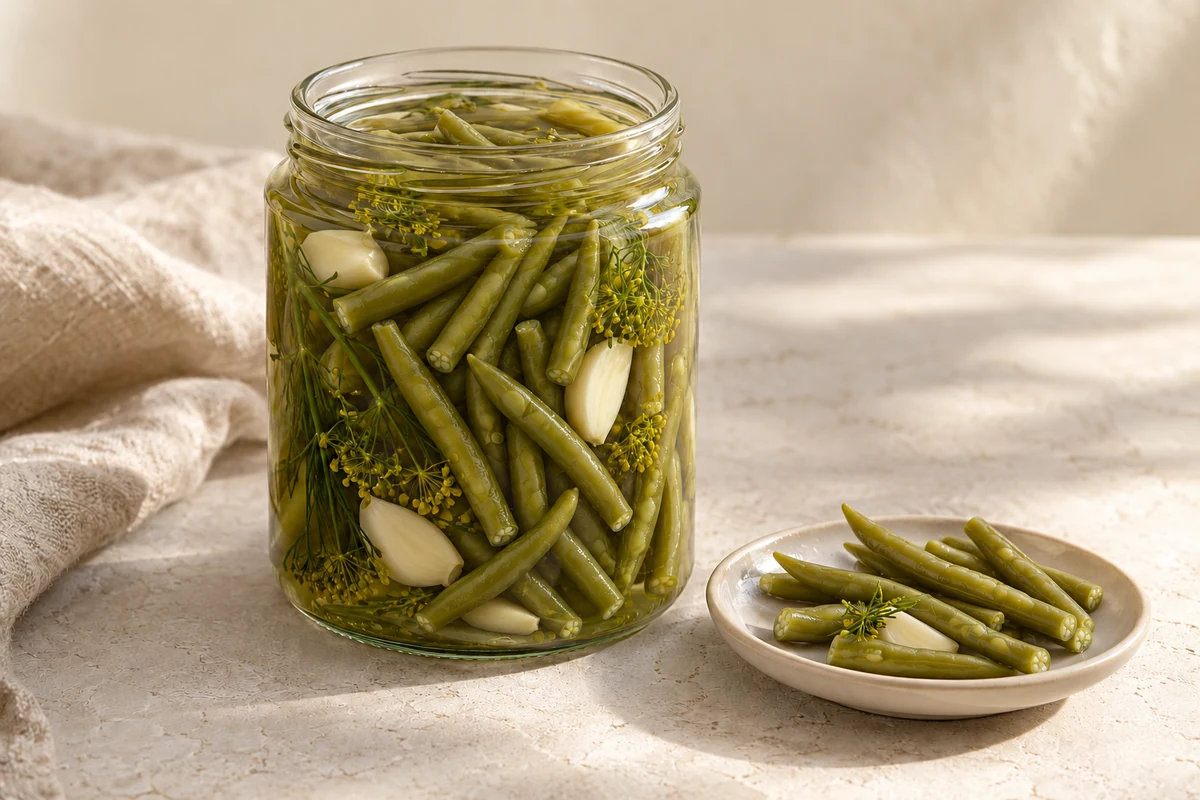
Green beans pickled with chilli, horseradish and lemon, from Hege Marie Köster’s recipe in essen & trinken magazine.
Storage
Fermentarnia recommends refrigerating the jars once cool. Keep refrigerated after opening.
Instructions
Download printable PDFRecipe card to download and print
0 / 5 steps completed
Prepare the vegetables
Wash and trim the beans. Halve the chillies lengthways. Peel the horseradish and cut into slices.
Make the pickling liquid
Bring the vinegar, water, salt and peppercorns to the boil.
Pack the jars
Pack the beans, chillies, horseradish and lemon peel tightly into scalded jars, leaving 1 cm between the beans and the rim. Pour in the hot pickling liquid and close the jars.
Cook in a water bath
Stand the jars in boiling water that reaches just below their rims. Keep at a gentle boil for 90 minutes. Carefully remove the jars and leave to cool on a rack.
Leave to mature
Allow the flavour to develop before serving. The author recommends waiting 2 weeks. Fermentarnia recommends keeping the jars in the fridge during this time.
Tips
Notes from Fermentarnia
The source gives no storage temperature. Fermentarnia recommends refrigerating the jars once cool.
Keep the vinegar quantity and the full 90-minute cooking time. Pouring over hot liquid does not replace cooking. Green beans must not be eaten raw.
How to serve
Serve alongside meat or with a Bloody Mary.
Recipe sources
This recipe is based on the sources listed above.
What will you make next?
 01New / unusual
Vegetables · Pickled in vinegar
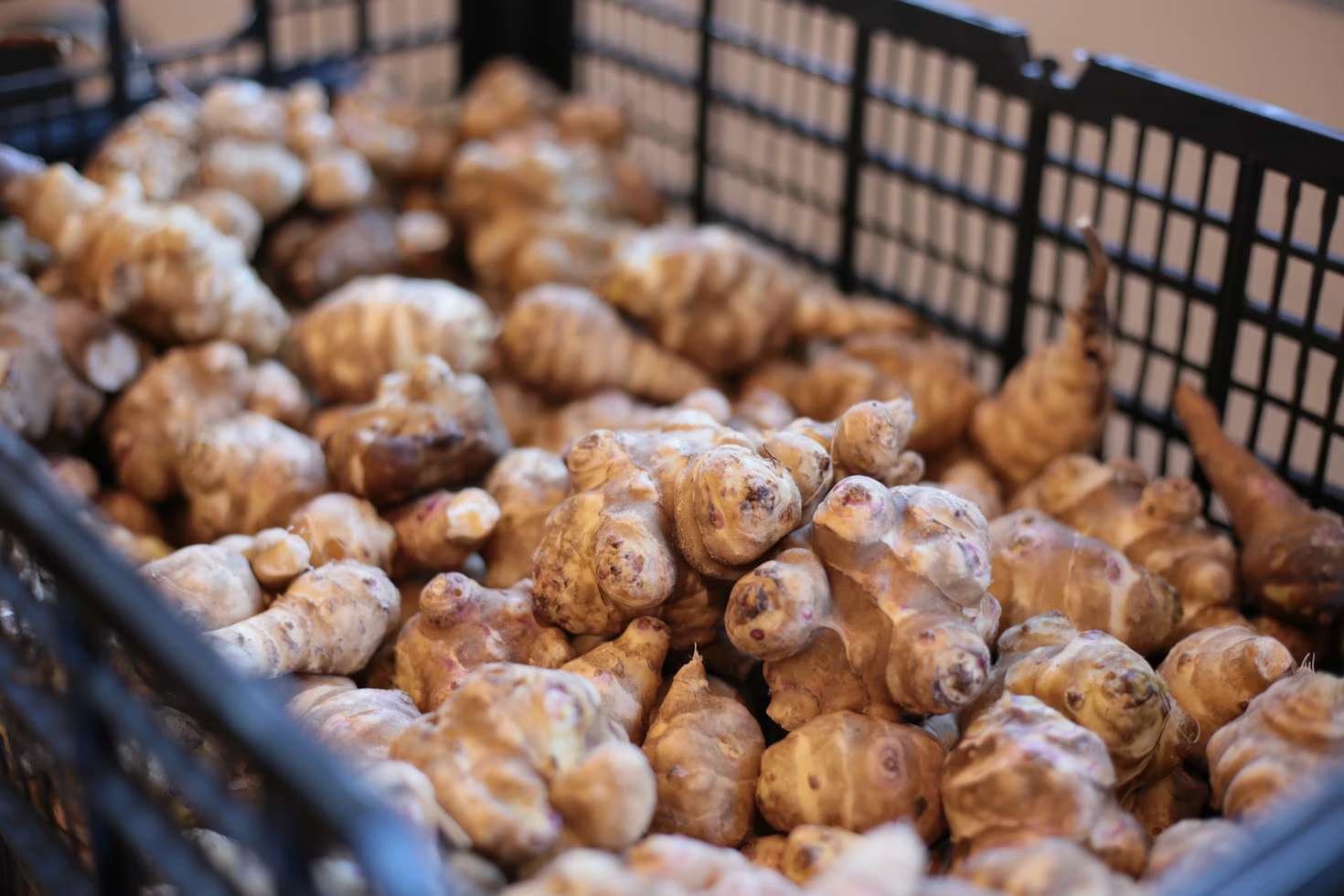
Spiced Pickled Jerusalem Artichokes
Crunchy tubers with turmeric and a sweet, tangy spiced pickling liquid. This tested recipe uses vinegar and boiling-water canning, rather than fermentation.
24 hours of soaking + about 60 minutes of preparation + 12–24 hours of cooling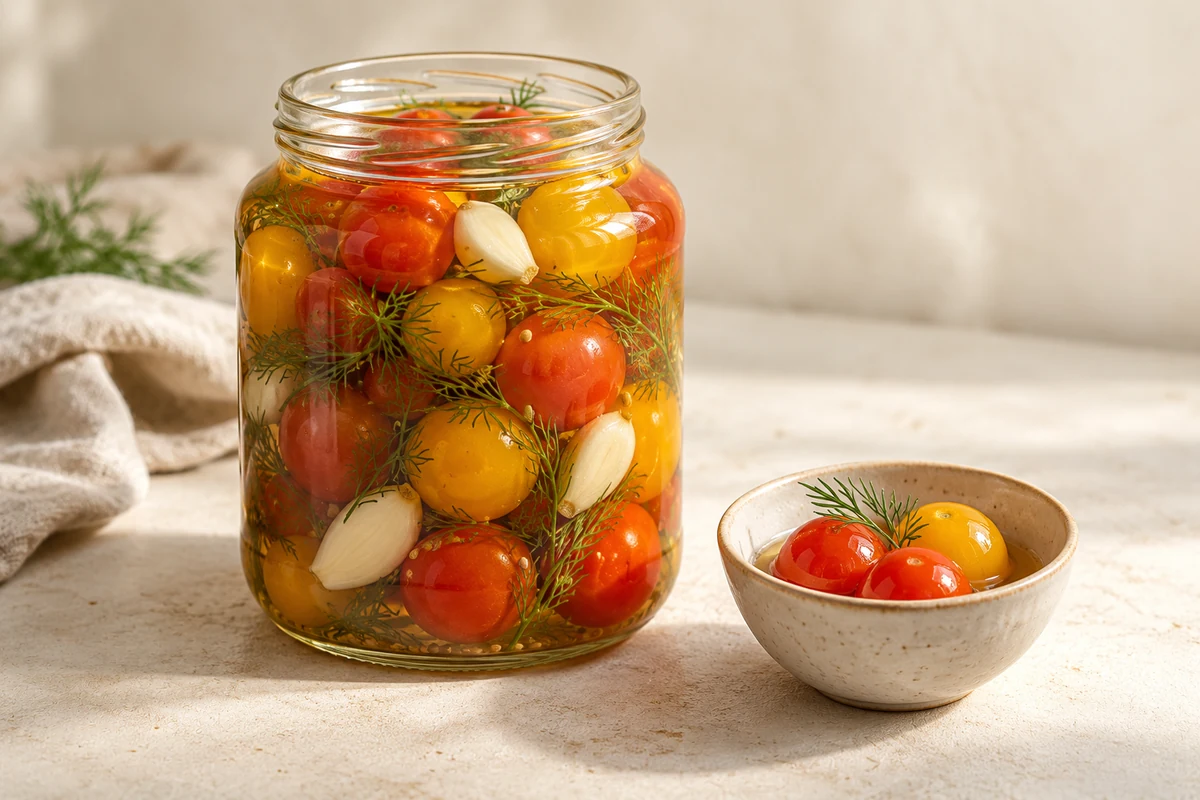 02New / unusual
Vegetables · Pickled in vinegar
Pickled cherry tomatoes with honey and dill
Peeled cherry tomatoes in a sweet-and-sour pickling liquid with honey, garlic and dill. Adapted from Ann Low’s recipe, also published in Gourmet Living magazine.
50 minutes + 3 days in the fridge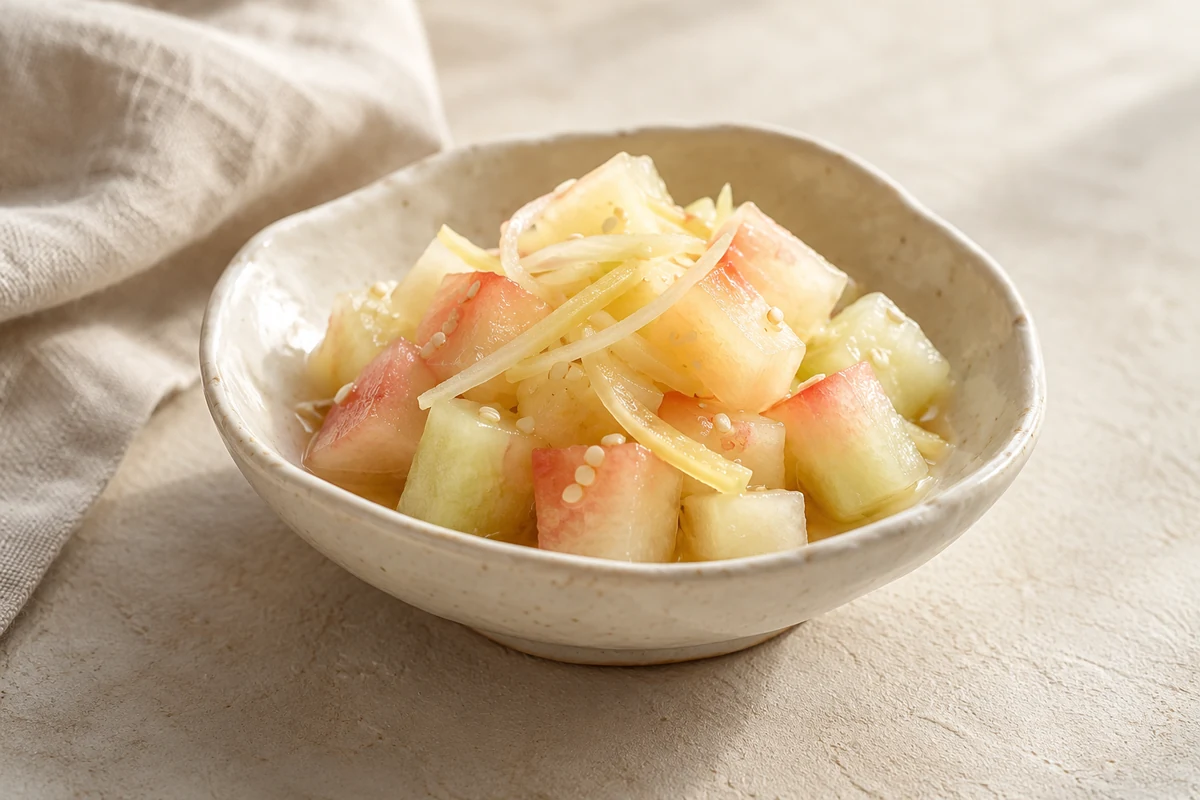 03New / unusual
Vegetables · Pickled in vinegar
Japanese pickled watermelon rind
Crisp white watermelon rind in a sweet-and-sour marinade with soy sauce and sesame oil. From Namiko Hirasawa Chen’s recipe at Just One Cookbook.
20 minutes prep + 2–3 hours chilling