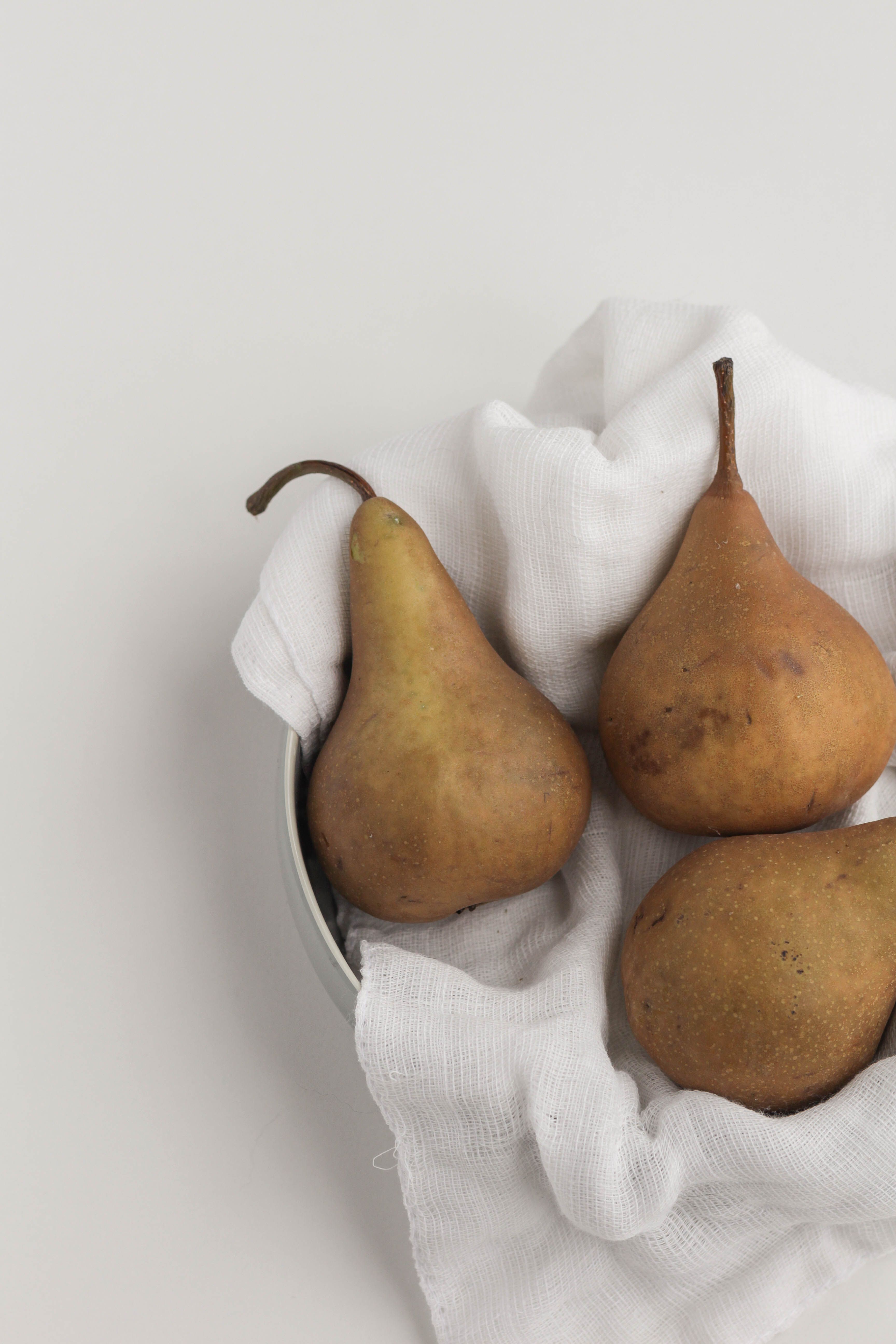
The Medford Mail Tribune of 4 December 1952 described homemade spiced pickled pears as a way to give meals a festive touch. Firm Bosc pears were used. The article helps explain the preserve’s role: fruit could be a condiment for dinner as well as a dessert. It documents the dish in the cooking of that period, rather than establishing when it was invented. The historical recipe is not the basis for today’s canning instructions.
Fruit / Pickled in vinegar
Spiced Pickled Pears
Sweet pears, bright vinegar and the warmth of cinnamon. Serve this preserve with cheese, roasted squash or pâté. A few pieces are enough to bring a new flavour to the plate.
Storage
Store correctly processed, sealed jars in a cool, dark, dry place, ideally at 10–21°C. Use within a year for best quality. Once opened, refrigerate at no more than 4°C and use clean utensils. The recipe source gives no separate storage period after opening. If you discover a failed seal within 24 hours of correctly processing the jars, refrigerate and use within a week. Never taste food from a jar with a lost seal, mould, leaks, a bulging lid or any other signs of spoilage.
Instructions
Download printable PDFRecipe card to download and print
0 / 7 steps completed
Prepare the water-bath canner
Heat the water in a covered canner fitted with a rack to about 82°C. Use Mason canning jars of the specified size with two-piece metal lids. Wash the jars and keep them hot. Prepare the lids according to the manufacturer’s directions. For a recipe that requires overnight soaking, prepare the canner and jars on the day you fill them.
Make the spiced syrup
Combine the sugar, vinegar, water and cinnamon in a saucepan. Tie the cloves and allspice in a spice bag and add it to the pan. Bring to the boil, then cover and simmer gently for about 30 minutes.
Prepare the pears
Wash and peel the pears, removing all of the blossom end. You may leave the stems attached. Halve or quarter large pears. Place the peeled fruit in the ascorbic acid solution as you work, then drain just before cooking.
Cook the fruit
Add the drained pears to the hot syrup. Bring back to the boil, lower the heat and simmer gently for another 20–25 minutes.
Fill the jars
Pack the hot pears into hot jars, adding one piece of cinnamon to each jar. Remove the spice bag. Cover the fruit with boiling syrup, leaving ½ inch (about 1.3 cm) headspace and making sure the pears are covered. Remove air bubbles and recheck the headspace. Wipe the rims and fit the two-piece lids according to the manufacturer’s directions.
Process in boiling water
Place the jars upright on the rack in the preheated canner. The water must cover the lids by at least 2.5 cm (1 inch), or at least 5 cm (2 inches) if processing takes more than 30 minutes. Cover and bring to a full rolling boil. Start timing only once the water is boiling: 20 minutes at elevations up to 304.8 m (1,000 ft); 25 minutes above 304.8 m and up to 914.4 m (3,000 ft); 30 minutes above 914.4 m and up to 1,828.8 m (6,000 ft); 35 minutes above 1,828.8 m. Keep the water boiling throughout. If boiling stops, bring the water back to a full boil and restart the entire processing time.
Cool and check the seals
Turn off the heat, remove the canner lid and wait 5 minutes. Lift the jars out upright. Leave them undisturbed for 12–24 hours. Do not press down on the lids or retighten the bands. Check the seals, remove the bands, then wash and dry the jars and label them with the date.
Tips
This is vinegar pickling, not fermentation. Do not replace the specified 5% acidity vinegar with homemade vinegar, kombucha or vinegar of unknown acidity. Keep the ingredient proportions, jar size, headspace and full processing time unchanged.
One US cup is 236.6 ml; one US pint is 473.2 ml; one US half-pint is 236.6 ml. Gram equivalents for ingredients measured by volume are approximate. Use the original volume measures when following this recipe. Do not apply these processing times to larger jars.
A home-canning processing time does not validate commercial production. Changes to batch size, packaging or ingredients require assessment of the process and shelf life of the specific product.
Choose firm pears that are not overripe. The ascorbic acid solution reduces browning and is drained off before cooking.
Allergens: check the vinegar label for SULPHITES and review the spice specifications. Cheese and bread served alongside the pears introduce their own allergens.
How to serve
Serve a few drained pieces with mature cheese, roasted squash or pâté. You can also finely chop a pear and add it to a sandwich. These are Fermentarnia serving suggestions. Add these accompaniments on the plate, not to the jars before canning.
Recipe sources
- NCHFP · Pear Pickles
- OSU Extension
- NCHFP · Using Boiling Water Canners
- NCHFP · Storing Home Canned Foods
- HealthLink BC · HealthLinkBC File No. 22
- Health Canada · Safe Food Storage
- University of Oregon Libraries · Medford Mail Tribune, 4 December 1952, page 6
- Royal Botanic Gardens, Kew · Pyrus communis
- NCHFP · General Information on Pickling
- Royal Horticultural Society · Fruit: harvesting
This recipe is based on the sources listed above.
What will you make next?
 01New / unusual
Fruit · Pickled in vinegar
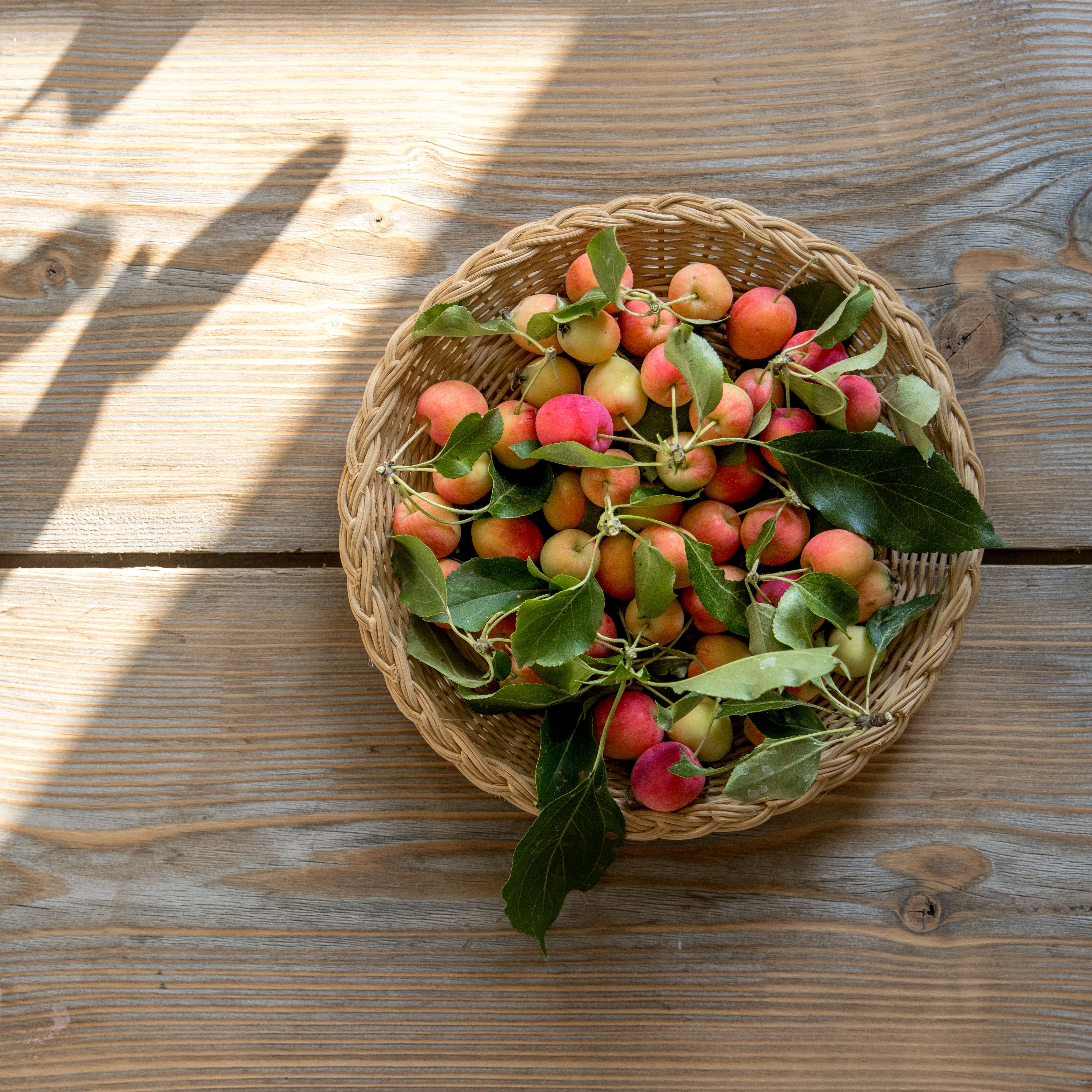
Spiced Crabapples
Small apples stay whole, with their stems and glossy skins, scented with cinnamon, cloves and fresh ginger. Sweet, tangy and full of flavour, they are a lovely addition to an autumn table.
Two days, including an overnight soak + 12–24 hours for the jars to cool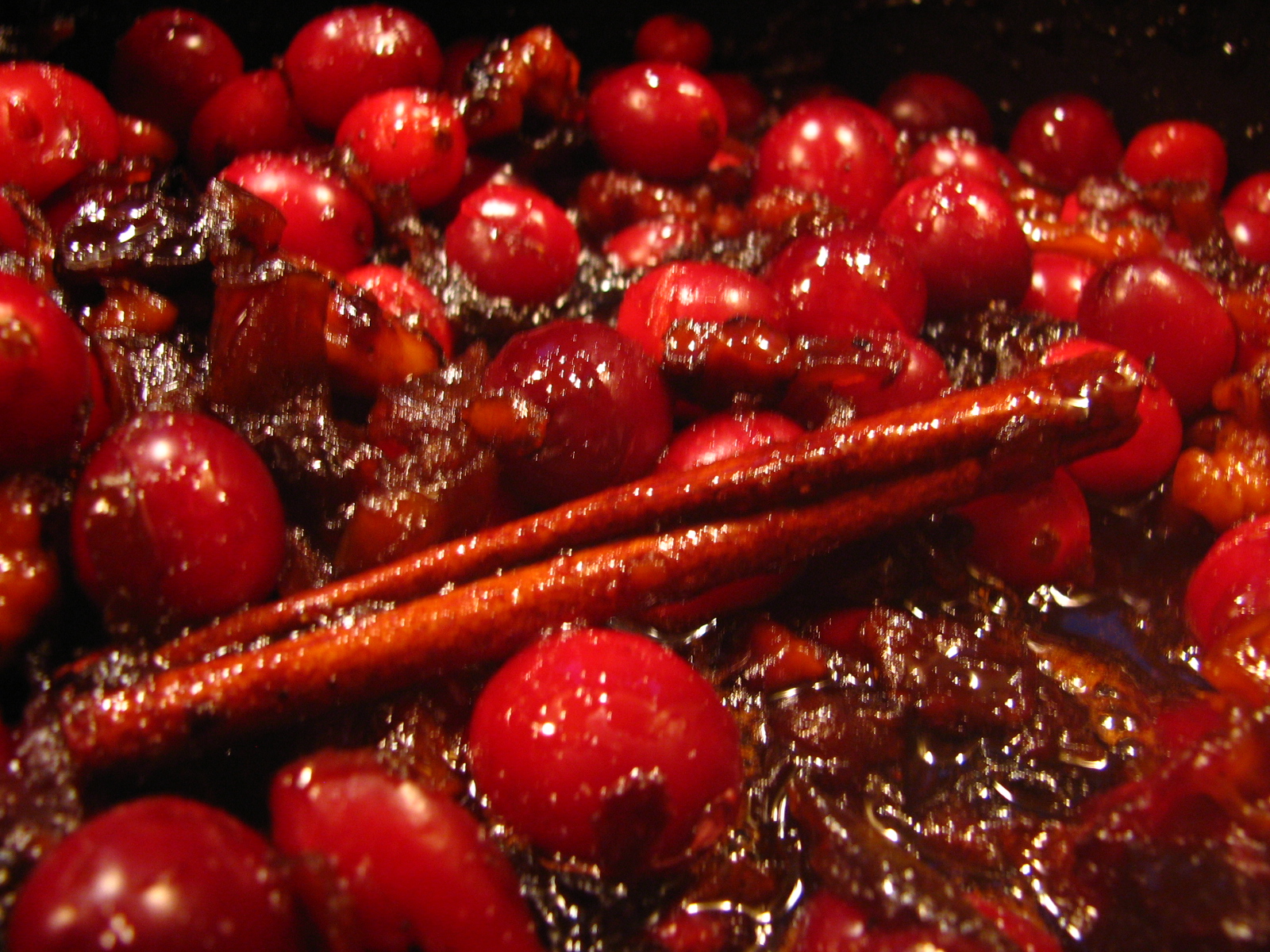 02New / unusual
Fruit · Pickled in vinegar
Cranberry Orange Chutney
Ruby red, sweet and tangy, with a gentle warmth of spice. Whole cranberries, orange juice, golden raisins, onion, ginger and cinnamon come together in a thick chutney for the autumn table.
15 minutes of cooking + 10–20 minutes of canning + 12–24 hours of cooling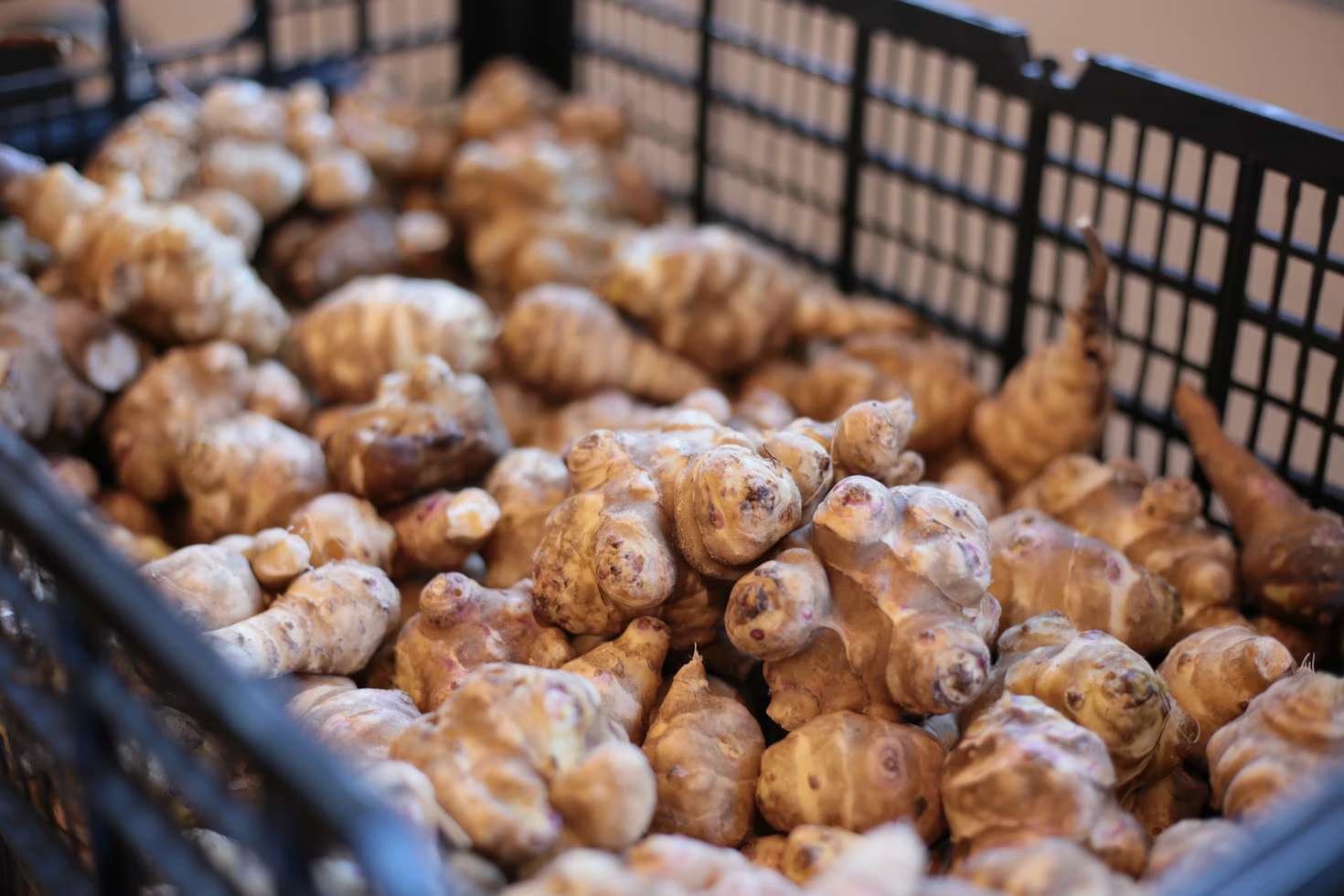 03New / unusual
Vegetables · Pickled in vinegar
Spiced Pickled Jerusalem Artichokes
Crunchy tubers with turmeric and a sweet, tangy spiced pickling liquid. This tested recipe uses vinegar and boiling-water canning, rather than fermentation.
24 hours of soaking + about 60 minutes of preparation + 12–24 hours of cooling