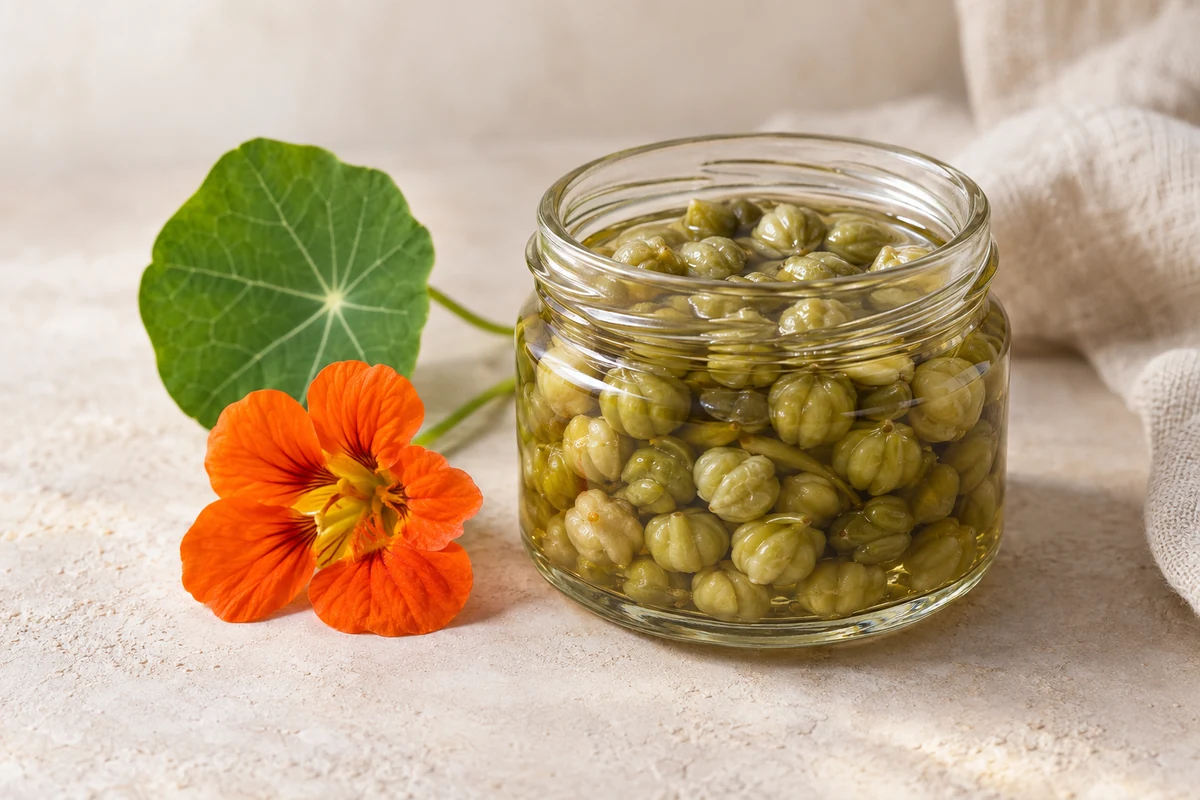
True capers are the unopened flower buds of the caper plant. The nasturtium version uses young green fruits, commonly called seeds. A nasturtium fruit splits into three parts, each containing one seed. Their peppery flavour suits sauces and salads. Choose firm, immature pieces for the jar and leave out any that are yellowing or drying.
Flowers and seeds / Pickled in vinegar
Nasturtium “capers”
Pickled green nasturtium seeds with a peppery bite. Add them to dishes just as you would capers.
Storage
Fermentarnia recommends refrigerating once the vinegar has been added, including during maturation.
Instructions
Download printable PDFRecipe card to download and print
0 / 4 steps completed
Choose and wash the seeds
Pick tender green seeds. Discard any that have turned yellow or dried out, then wash the rest.
Soak in brine
Dissolve the salt in the water. Add the seeds, cover and leave for 24 hours.
Pack the jar
Drain the seeds, discard the brine and pat the seeds dry with a clean tea towel. Put in a small sterilised jar with your chosen seasonings, leaving about 1 cm below the lid.
Cover with vinegar
Add enough white wine vinegar to cover the seeds. Close the jar and refrigerate for a month, following Fermentarnia’s recommendation. Keep refrigerated after opening.
Tips
Vinegar can corrode a metal lid. Use a well-lined lid or a jar with a glass lid and rubber seal.
Notes from Fermentarnia
The author matures the seeds in a cool, dark place and refrigerates after opening. Fermentarnia recommends using the fridge throughout maturation.
Use the tender green fruits of edible garden nasturtium, commonly called seeds. Do not use dried seeds or chemically treated seeds sold for sowing.
How to serve
Chop and add to potato salad, tartare sauce or salad dressing.
Recipe sources
This recipe is based on the sources listed above.
What will you make next?
 01New / unusual
Flowers and seeds · Pickled in vinegar
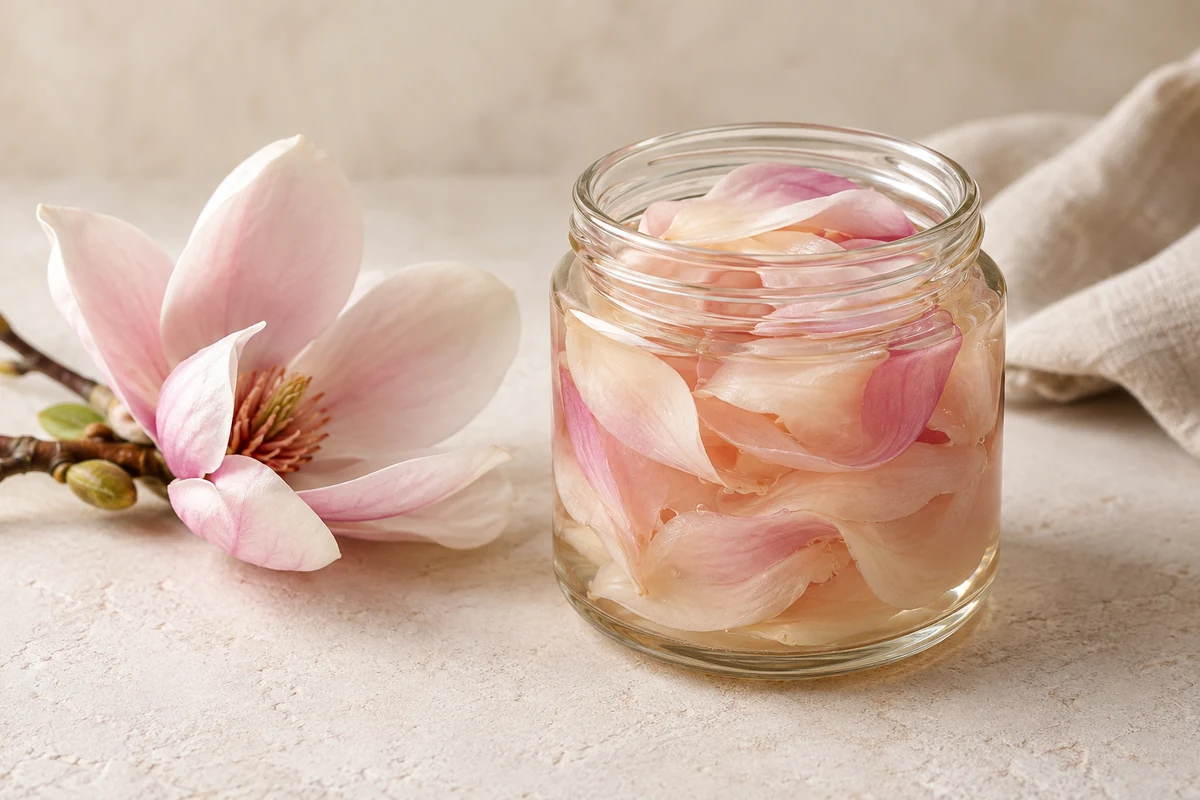
Pickled magnolia petals
Magnolia petals pickled in lightly sweetened rice vinegar, from a recipe on Jamie Oliver’s website.
10 minutes prep + 24 hours pickling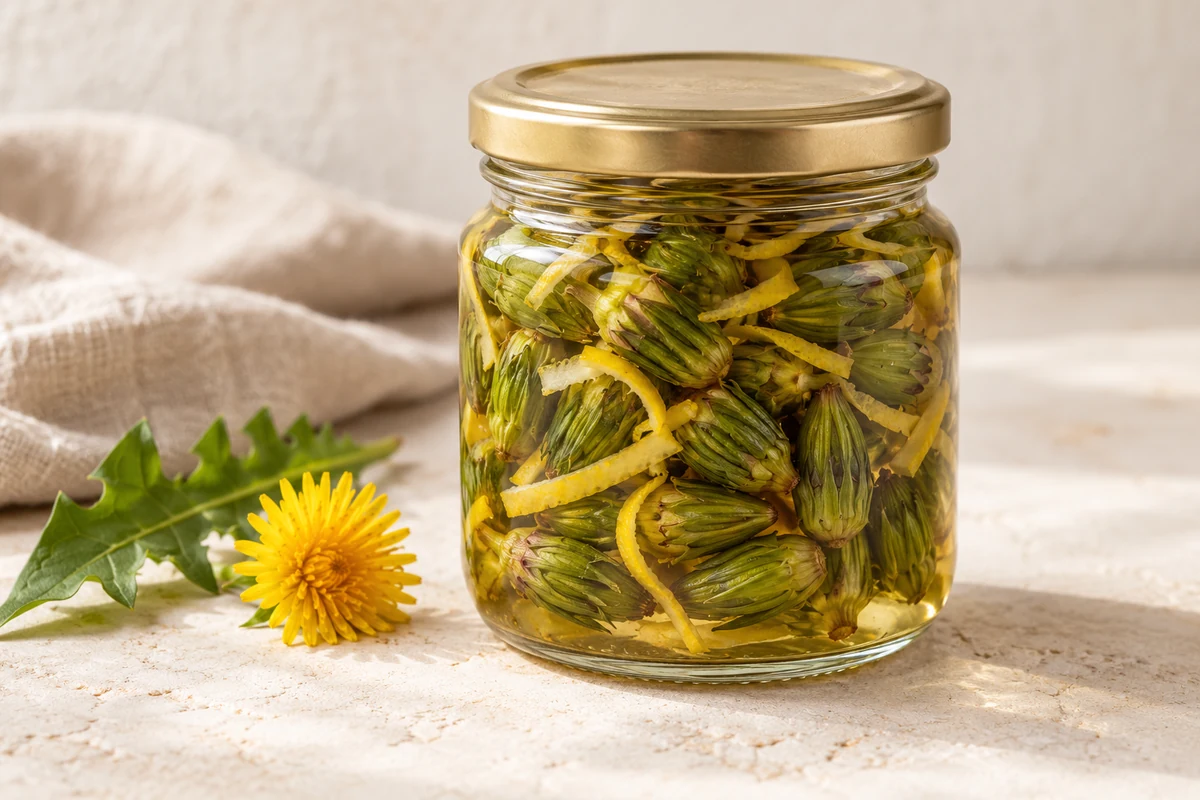 02New / unusual
Flowers and seeds · Pickled in vinegar
Pickled dandelion buds
Dandelion buds pickled with coriander and mustard seeds, to use in place of capers. From Theresa Baumgärtner’s book Frühlingserwachen.
Brief cooking + chilling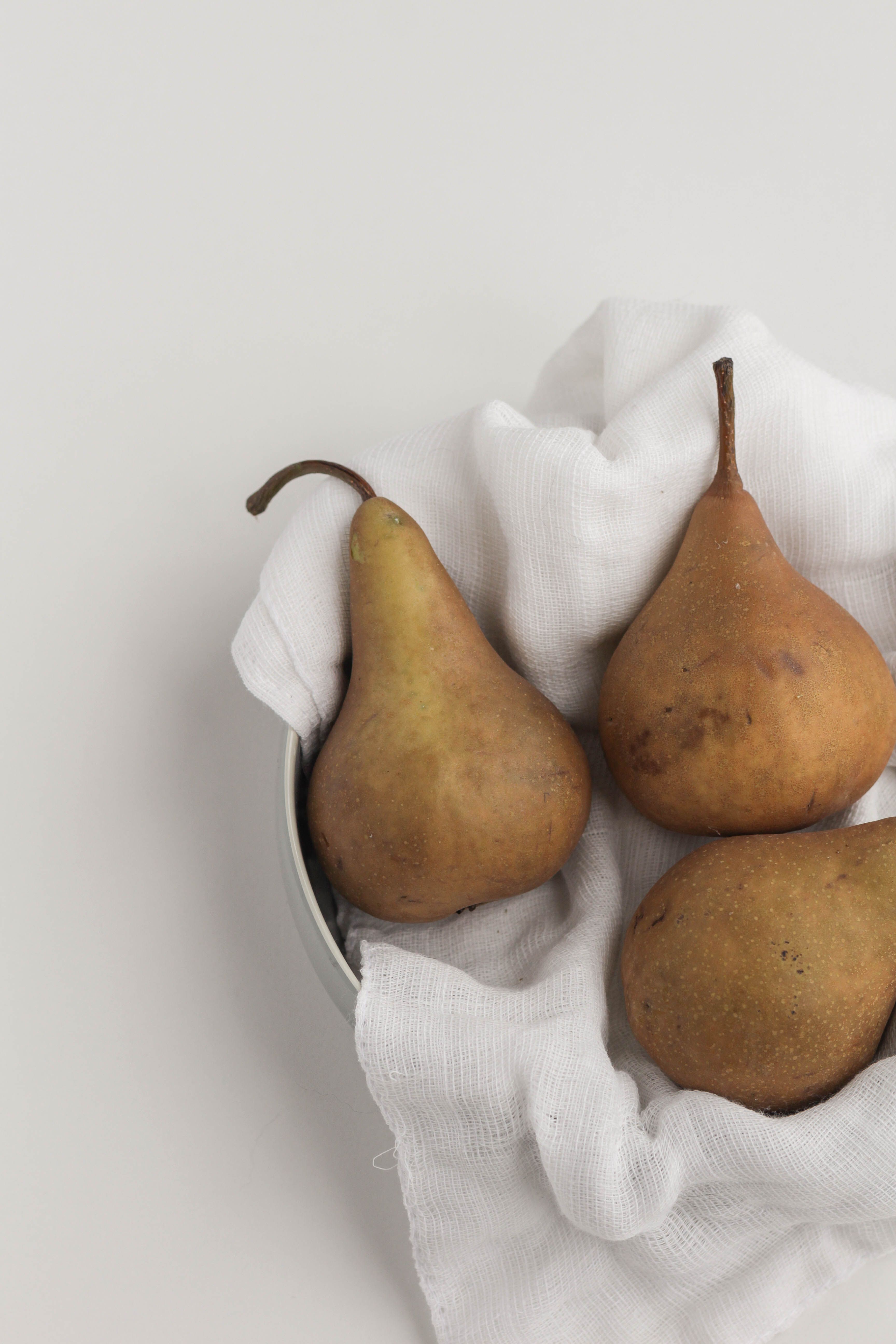 03New / unusual
Fruit · Pickled in vinegar
Spiced Pickled Pears
Sweet pears, bright vinegar and the warmth of cinnamon. Serve this preserve with cheese, roasted squash or pâté. A few pieces are enough to bring a new flavour to the plate.
About 2 hours of preparation and processing + 12–24 hours of cooling